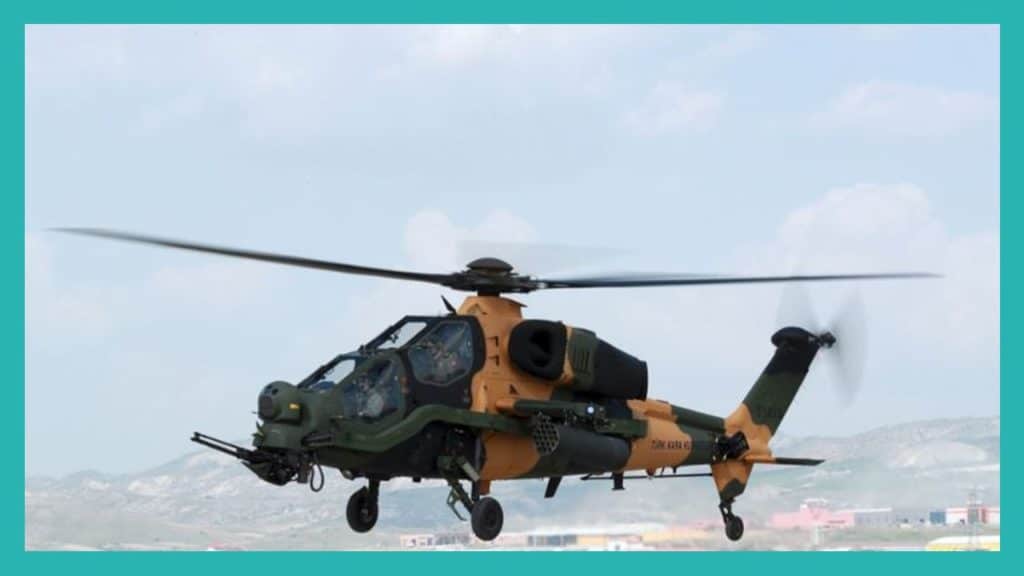
On 24 May, Turkey’s ruling party – the Justice and Development Party (AKP) – claimed that Pakistan signed its contract for 30 Turkish Aerospace Industries (TAI) T129 ATAK attack helicopters.
The AKP’s statement is as follows (translated): “a very short while ago, contracts were signed with Pakistan for the sale of 30 ATAK helicopters.”[1] In the beginning of May, the Turkish Undersecretary for Defence Industries (SSM) had informed the state-owned TRT Haber news channel that there would be positive news regarding the T129 sale, stating: “In Pakistan, we will have important developments related to the export of ships and attack helicopters. God Willing, we will have news about the ATAK helicopter sale to Pakistan next week.”[2] Thus, official government confirmation has been given regarding the T129 sale.
Granted, the original equipment manufacturer (OEM) – TAI – has yet to announce the sale, but one would imagine that two government entities (including the state head of stewarding Turkey’s defence industry) would stand for credible information. If correct, it would mark a significant breakthrough for the Turkish defence industry, especially in its efforts to secure big-ticket exports of its products and services.
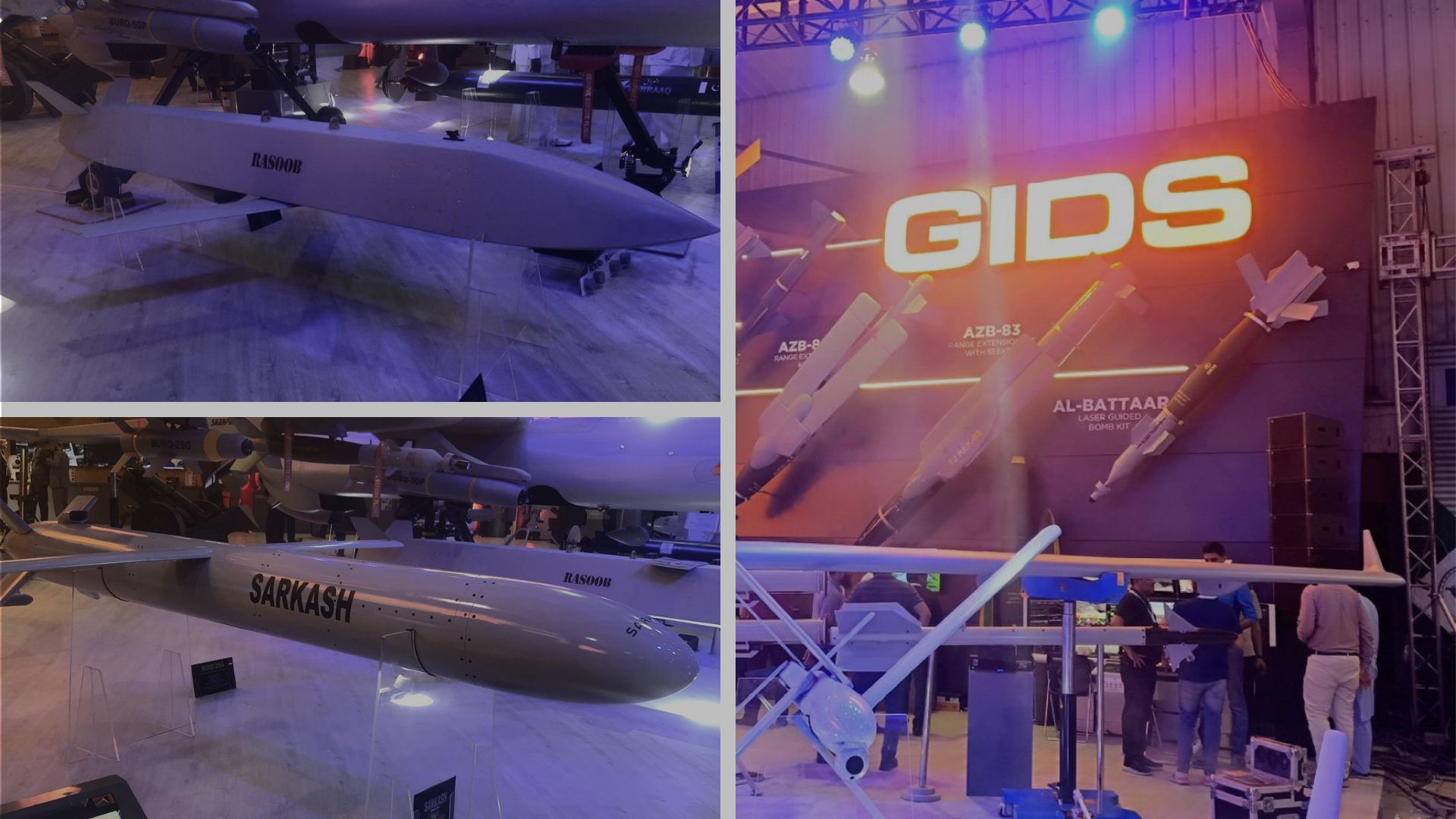
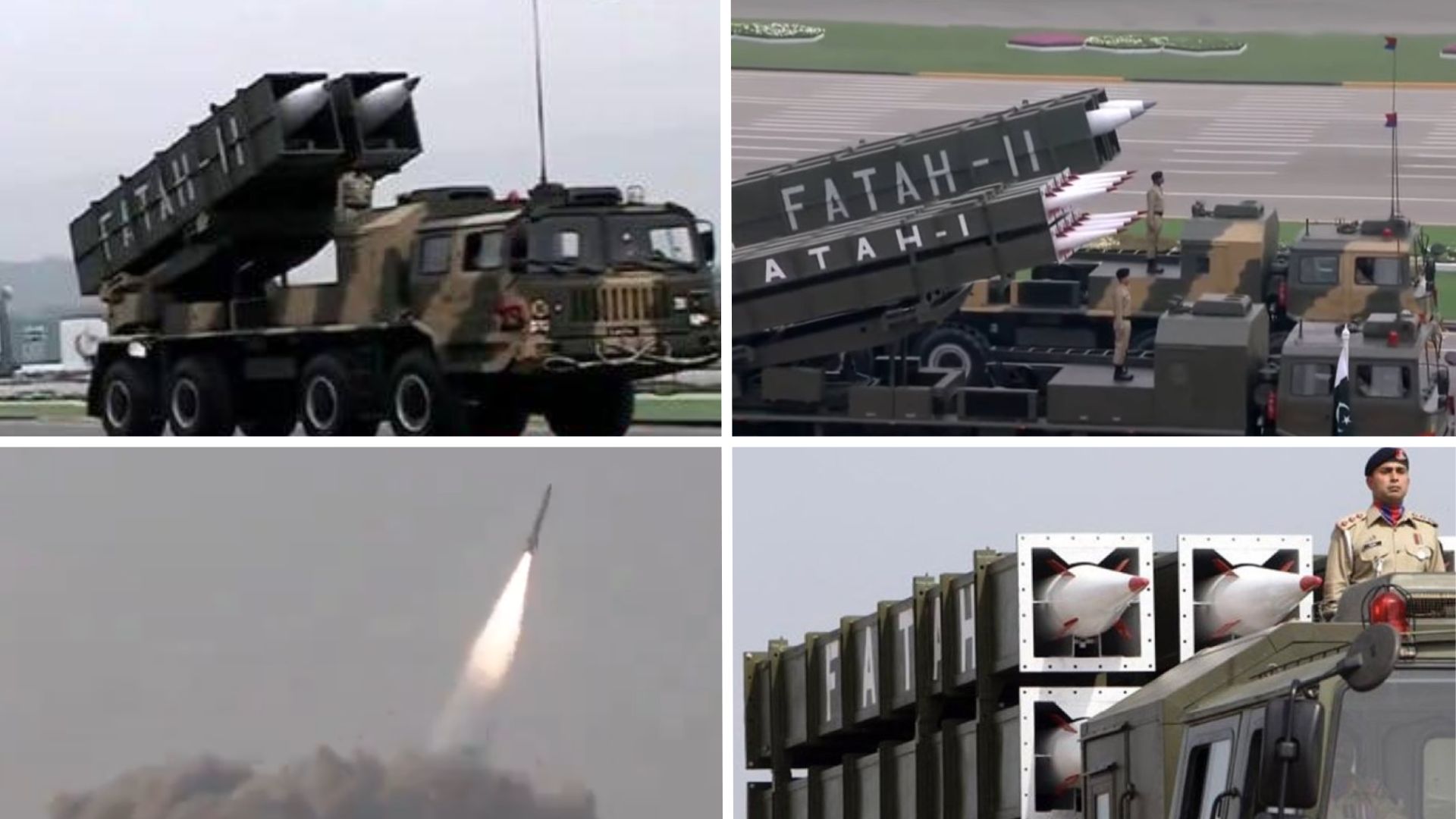
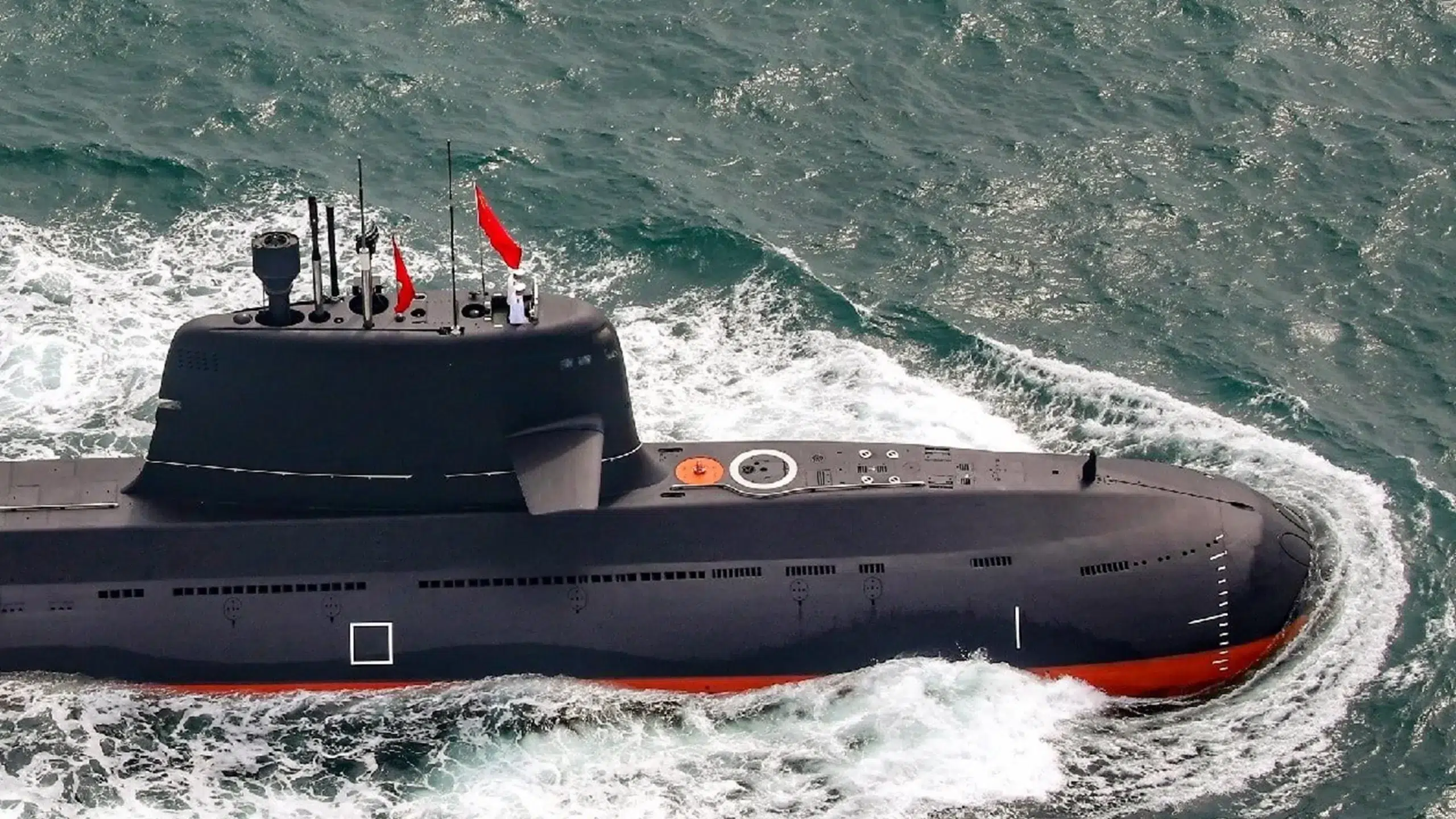
The Pakistani ATAK would be Turkey’s single largest defence export order to-date, seconded only by the potential $1 billion US sale of four MILGEM Ada corvettes to Pakistan and further joined by a $350 million US program to upgrade the Pakistan Navy’s Agosta 90B mid-life-update program.[3] [4] If each of these deals comes to complete fruition, Turkey’s defence industry activities in Pakistan would total nearly $3 billion US (note: the T129 deal is thought to be worth $1.5 billion US).[5]
Turkey would effectively assume its position as Pakistan’s second-largest defence supplier, second to the Chinese (which is the leading supplier by a significant margin). There are various potential outcomes, but for this Quwa Premium article, the focus will be on discussing Turkey’s steps to reach this position. While discussing Turkey’s steps (i.e. building and marketing its product portfolio), this article will also answer a number of underlying questions surrounding Turkey’s sales to Pakistan, notably its provision of credit and how Turkey’s current economic woes could impact its near and long-term efforts to drive exports.
Fiscal Strength, Transfer-of-Technology & Indigenous Development
Although offsets played a role in facilitating the Turkish defence industry’s growth, especially in the role of a defence exporter, the fuel for Turkey’s advancements has been its fiscal strength. Buoyed by a strong economy through the 2000s and 2010s, the Turkish Armed Forces (TSK) and Turkish Undersecretariat for Defence Industries (SSM) were able to fiscally back big-ticket defence procurements, especially from the U.S. and Western Europe. Of course, many of these acquisitions carried offsets and transfer-of-technology (ToT), but they would not have been possible to undertake – especially to the scale Turkey was generally able to achieve (e.g. 270 F-16C/D) – without fiscal capacity, which in turn was fed by a strong economy.
The T129 reflects both aspects (i.e. fiscal strength and ToT). Following a competitive bid involving the Bell Helicopter AH-1Z, Denel Aviation Rooivalk and the AgustaWestland A129, the SSM selected the A129 with ToT – which both included turnkey manufacturing, intellectual property (IP) rights and third-party export rights – under a program worth a total of $3.2 billion US.[6] Besides the turnkey manufacturing transfer, the A129CBT – later designated T129 – deal also included 51 units for the TSK.[7] Early open source information delineated the $3.2 billion US program into two core components: a $1.2 billion contract signed in 2007 and a $2 billion follow-on in a subsequent year (totaling the $3.2 billion US program).[8] [9] An analysis of the cost (found in March 2018’s Quwa Premium Report) surmised that the $1.2 billion is the fixed overhead of the program (e.g. the cost of ToT), while the $2 billion is the cost of production.
For Turkey, the goal would be to amortize the overhead cost ($1.2 billion), ideally through exports which can help the SSM recuperate that cost. However, doing so in a manner that matches the big-ticket pricing to the Turkish economy’s involvement requires indigenizing the core inputs. Thus, the Turkish government had to inject additional layers of investment, e.g. building state-owned capacity for as well as incentivizing private sector entities into aerostructure manufacturing and developing electronics. For Turkey, the goal was (and still is) to use its fiscal strength to build military strength in parallel with a defence industry and then cause a loop wherein the defence industry supports the economy (and ultimately, the exchequer).
However, fiscal capacity was the underlying constraint which has thus far driven Turkey’s success, and with the Turkish economy now under various forms of pressure, the concern is whether it can sustain its efforts through the long-term moving forward. This is a critical issue because the next wave of its industry advancements – such as the domestic turboshaft engine program – are to rely on forthcoming funding.
Economic Turbulence
In recent months, attention has fallen to the state of Turkey’s current economic situation, specifically the rise of risk on its monetary situation. To summarize: Erdogan’s governance through the 2000s coincided with an influx of significant capital into Turkey’s private sector, mostly in the form of loans. This access to credit had enabled Turkish companies to expand their respective activities and, in turn, enable the Turkish economy to sustain relatively high growth rates through a five-to-ten-year period (note: as shown in the chart below, Turkey’s annual GDP growth rate suffered in 2009 – i.e. amid the Great Recession).[10]
Don't Stop Here. Unlock the Rest of this Analysis Immediately
To read the rest of this deep dive -- including the honest assessments and comparative analyses that Quwa Plus members rely on -- you need access.