Introduction
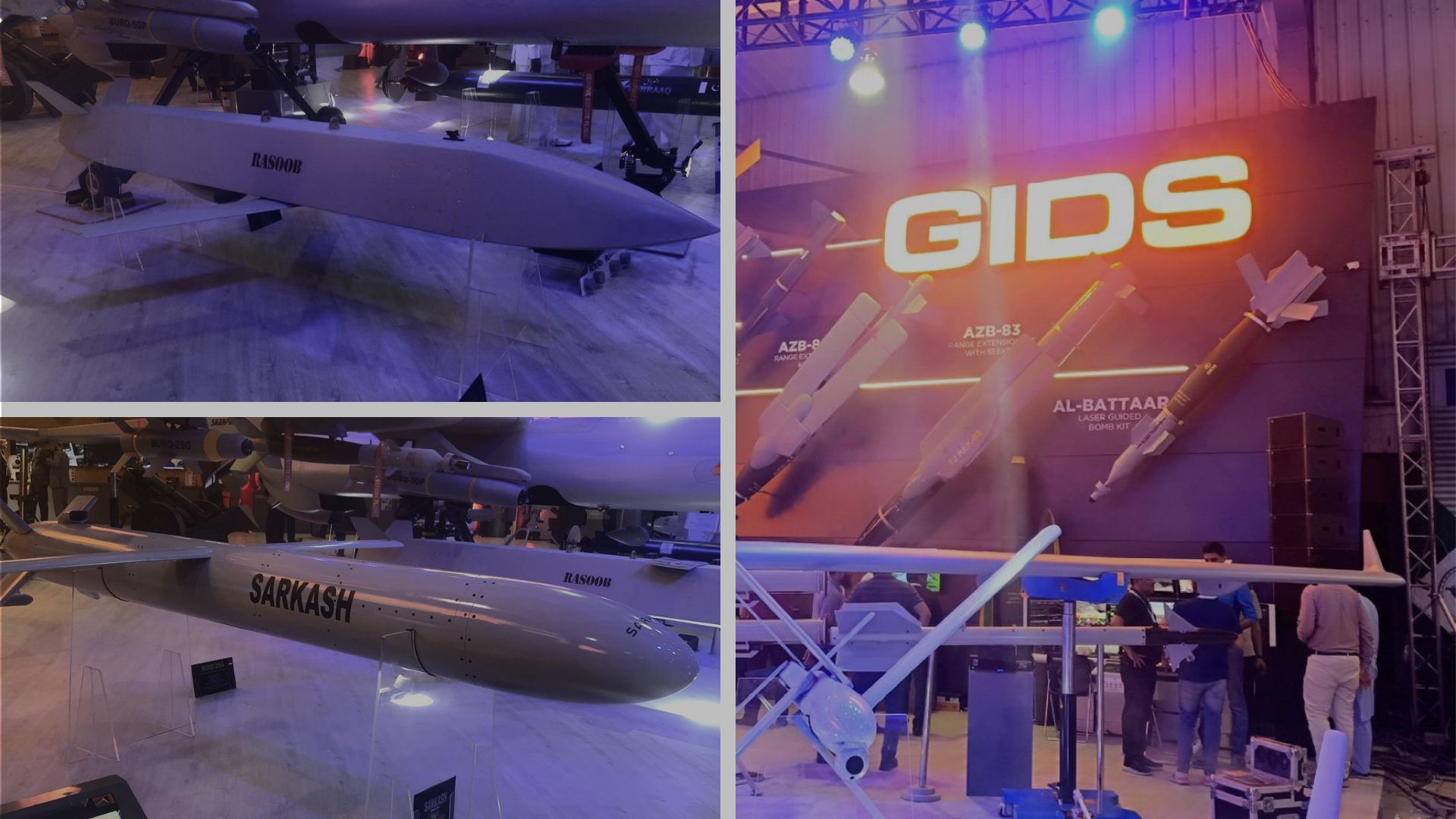
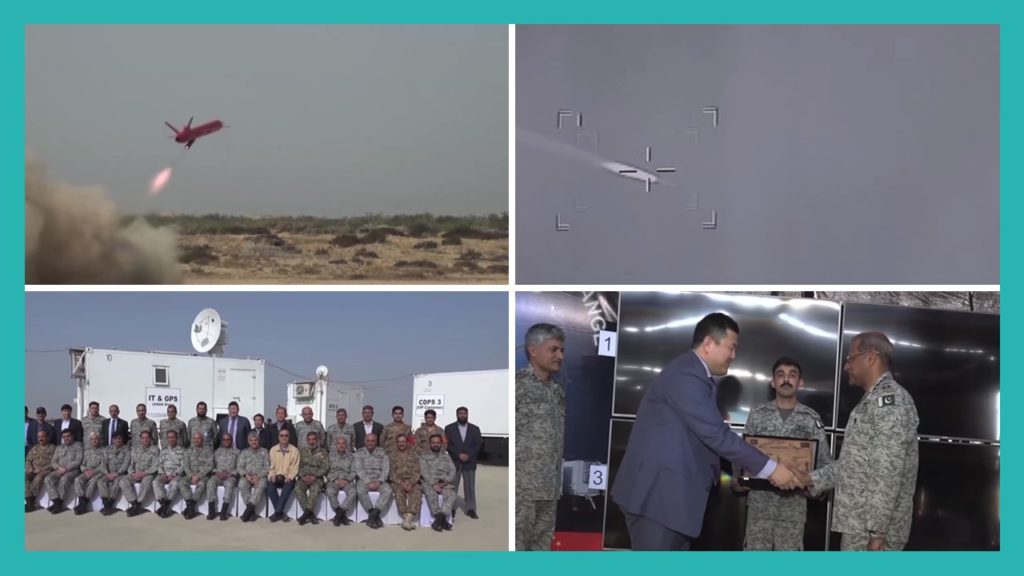
On 02 February, the Pakistan Air Force (PAF) announced that it established an instrumented Weapon Test Range (WTR) at the Sonmiani Firing Range. This is an important induction for the PAF – and the Pakistani armed forces as a whole – for evaluating, qualifying and certifying munitions. In a statement, the PAF said the “facility, developed in collaboration with Chinese authorities, is equipped with real-time tracking and measuring equipment to qualify the indigenously developed and procured weapon systems.”[1] Showcasing the WTR’s real-time tracking capabilities, the PAF had a JF-17 Thunder multi-role fighter test-fire a SD-10 beyond-visual-range (BVR) air-to-air missile (AAM) and a PL-5EII within-visual-range (WVR) AAM over the WTR.[2] Under Project Azm (Resolve), the PAF committed itself – through Pakistan Aeronautical Complex (PAC) and the Aviation Design Institute (AvDI) – to domestically produce ‘advanced’ munitions.[3] Pakistan’s new – and its first – instrumented WTR will serve an integral role for not only Project Azm, but munitions development and procurement in the Pakistan Army and Pakistan Navy as well.
Background: Sonmiani Firing Range
Sonmiani (also spelt Somiani) is located in Sindh, northwest of Pakistan’s commercial capital and principal port city Karachi. The site began its role as an instrumented firing range with the Rehbar-I sounding rocket fired by the Pakistan Space & Upper Atmosphere Research Commission (SUPARCO).[4] Since then, Sonmiani has been Pakistan’s principal firing range for tactical and strategic munitions testing.
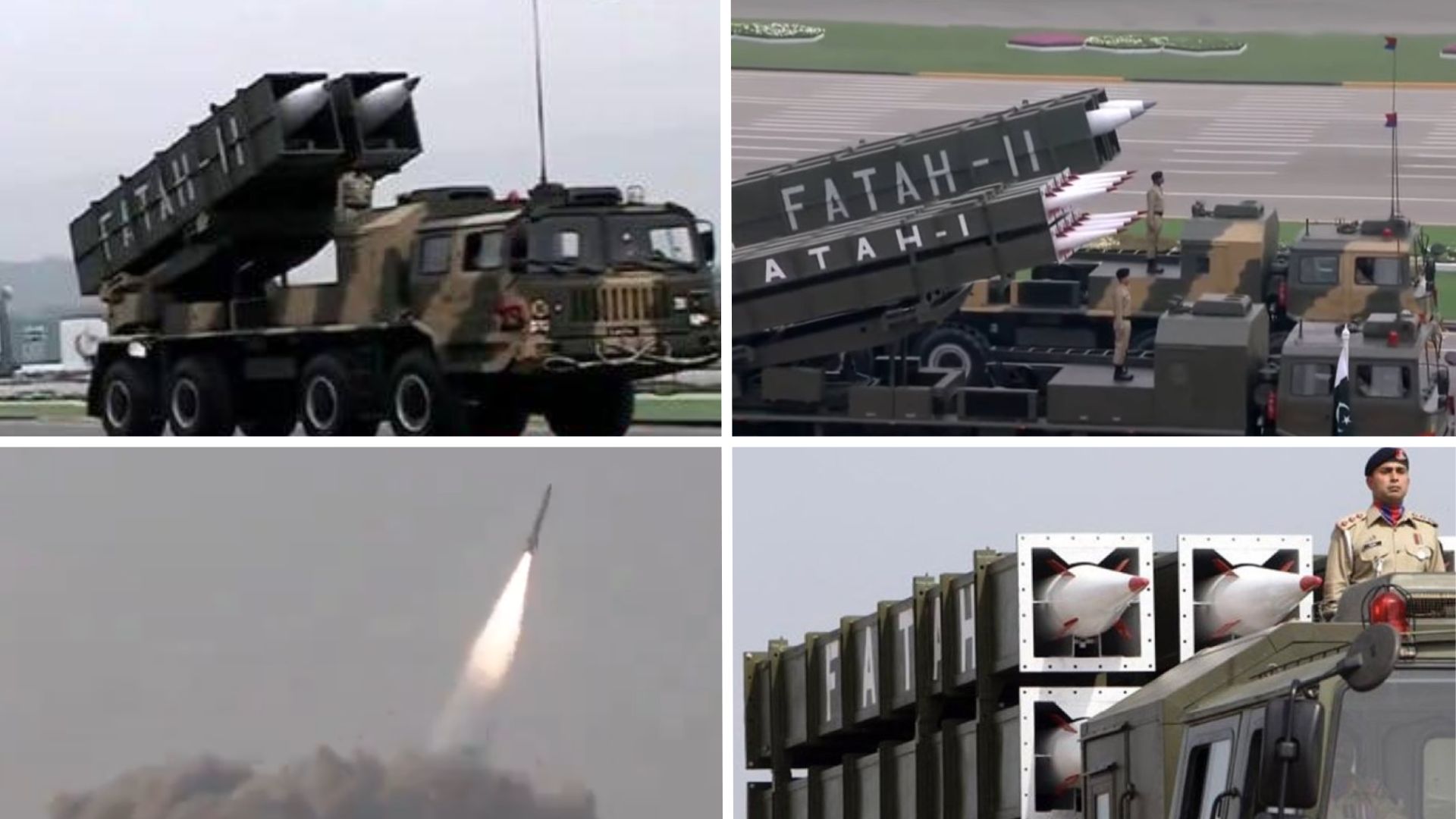
The Strategic Plans Division (SPD) has been using Sonmiani to test-fire its medium-range ballistic missiles (MRBM), such as the Shaheen II.[5] The Army, Navy and Air Force use Sonmiani regularly to examine their respective inventories in offensive (e.g. strike), but defensive terms (e.g. air defence).[6][7] Located at the south and along the Arabian Sea, Sonmiani is accessible for tests relevant to Pakistan’s conventional warfare environment. First, access to the sea enables the Pakistan Navy to examine sea-to-land (and vice-versa) scenarios, most notably the deployment of naval land-attack cruise missiles (LACM) such as the Babur-3 submarine-launched cruise missile (SLCM) and Harba dual-anti-ship cruise missile (ASCM)/LACM. Second, the desert environment is applicable to Pakistan’s land warfare conditions, namely for its armour.
Sonmiani Instrumented Weapon Test Range
The PAF did not disclose the Sonmiani WTR’s specific systems, but an instrumented range such as this may include optical-tracking systems, telemetry systems, radars, meteorological station and command, control and communication station. Although Pakistan built its WTR through the Chinese, Sonmiani’s position as a test-site for each of the service arms and SPD could indicate a comprehensive instrumentation set. In this vein, South Africa’s Overberg Test Range – built and managed by Denel Group – could be a plausible template of what to expect from the Sonmiani WTR as it too is meant for comprehensive testing purposes.
The Overberg WTR is equipped to simultaneously track five flying objects, enabling the facility to readily track the munition, launch platform and the target drone.[8] This enables the Overberg WTR to examine – in real-time – the elements affecting each factor in the munition’s launch and engagement process. For example, the WTR can validate an anti-radiation missile’s (ARM) effective range when deployed at low or high-altitude. This validation can feed into the ARM’s qualification prior to induction. The Overberg WTR is capable of tracking air-to-air missile (AAM), air-to-surface missile (ASM), surface-to-air missile (SAM), surface-to-surface missile (SSM) and even anti-tank guided-missile (ATGM) as well as artillery shell tests.[9]
Quwa Plus
Go Beyond the Headlines on Pakistan’s Defence and Security.
Quwa Plus gives you deeper reporting, briefings, and analysis on Pakistan’s defence programs, foreign policy, national security, and regional strategy. Follow the developments that matter to professionals, analysts, and serious readers tracking Pakistan’s security landscape.
Join ($29.99/Year) Already a subscriber?Sign in