Author Profile: Syed Aseem Ul Islam is PhD candidate at the University of Michigan, Ann Arbor, USA, specializing in adaptive and model-predictive flight control systems. He received his bachelor’s degree in aerospace engineering from the Institute of Space Technology, Islamabad, and his master’s degree in flight dynamics and control from the University of Michigan.
Due to being located at the crossroads of three key regions (South Asia, Central Asia, and the Middle East), Pakistan has ‘geostrategic importance.’ However, that ‘importance’ has been both a blessing and a curse for Pakistan. It is no secret that Pakistan resides in a dangerous neighborhood, nor is it a surprise that the country’s defence requirements take priority over other spending needs. These are not unique issues.
Unfortunately, one (of many) side effects of seeing its surroundings as threats is a counterproductive, but at times necessary, paranoia. As a result, Pakistan sees many “threats to national security” – some real, but many imagined. When the ‘imagined’ threats clog the perspectives of decision-makers and the public, the genuine threats – e.g., water insecurity and struggling economy – slip through the cracks. Fortunately, water and the economy are entering the mainstream discourse, but the nation still needs to unearth more genuine threats. This article aims to uncover one more – the decline of Pakistan’s defence R&D capability.
Pakistan’s territorial security is contingent on its ability to maintain both strategic (i.e., nuclear) as well as conventional arms parity with India. Despite being several times smaller in India in terms of its economic output, population, and (not to be ignored) inherited industry base from partition, Pakistan has done quite well thus far through careful planning, conscientious use of limited funding, and force-multiplier systems. However, with India’s now burgeoning economic might and current geostrategic value (as assistance for the United States in containing China), the parity gap between Islamabad and New Delhi is widening.
For Pakistan, some constraints are obvious – e.g., a struggling economy – but others are more to do with the general misuse of existing resources due to legacy processes and a poor understanding of optimal and efficient alternatives. This constraint is glaringly obvious to this familiar with Pakistan’s defence industry. Thus, Pakistan must examine its capabilities and, in turn, chart a future path that would allow it to “loose the fat” and become the leanest it can be so that it can counter India’s growing edge.
Design and Implement a Well-Thought-Out Defence Policy
Firstly, Pakistan’s defence policy needs must gain real buy-in from every relevant stakeholder. Sadly, the policy documents written by the Ministry of Defence Production (MoDP) have no chance of materializing if they lack the support of the armed forces. In Pakistan, the armed forces must be aligned with any new defence policy; otherwise, the defence policy will be dead-on-arrival (DOA).
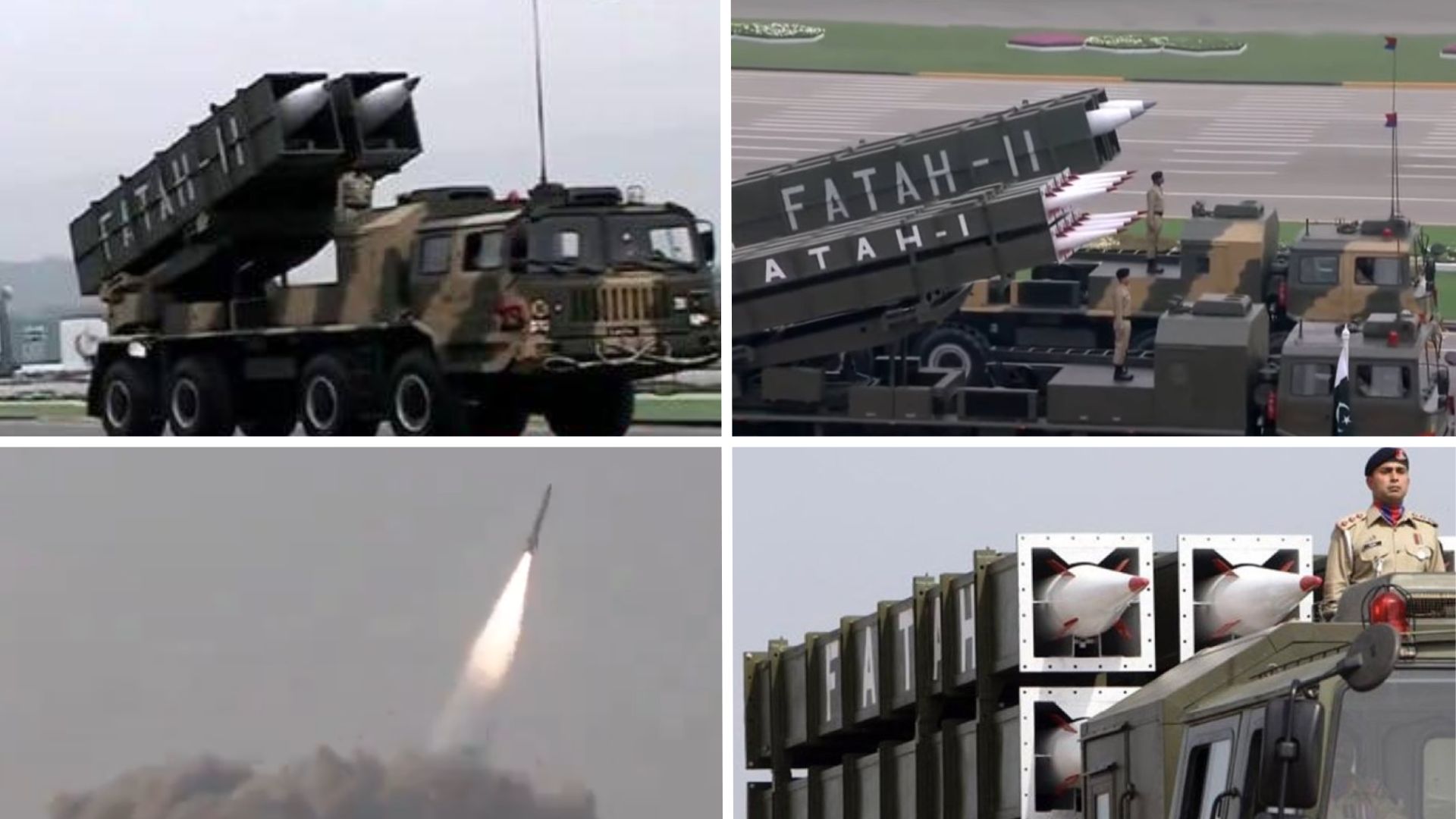
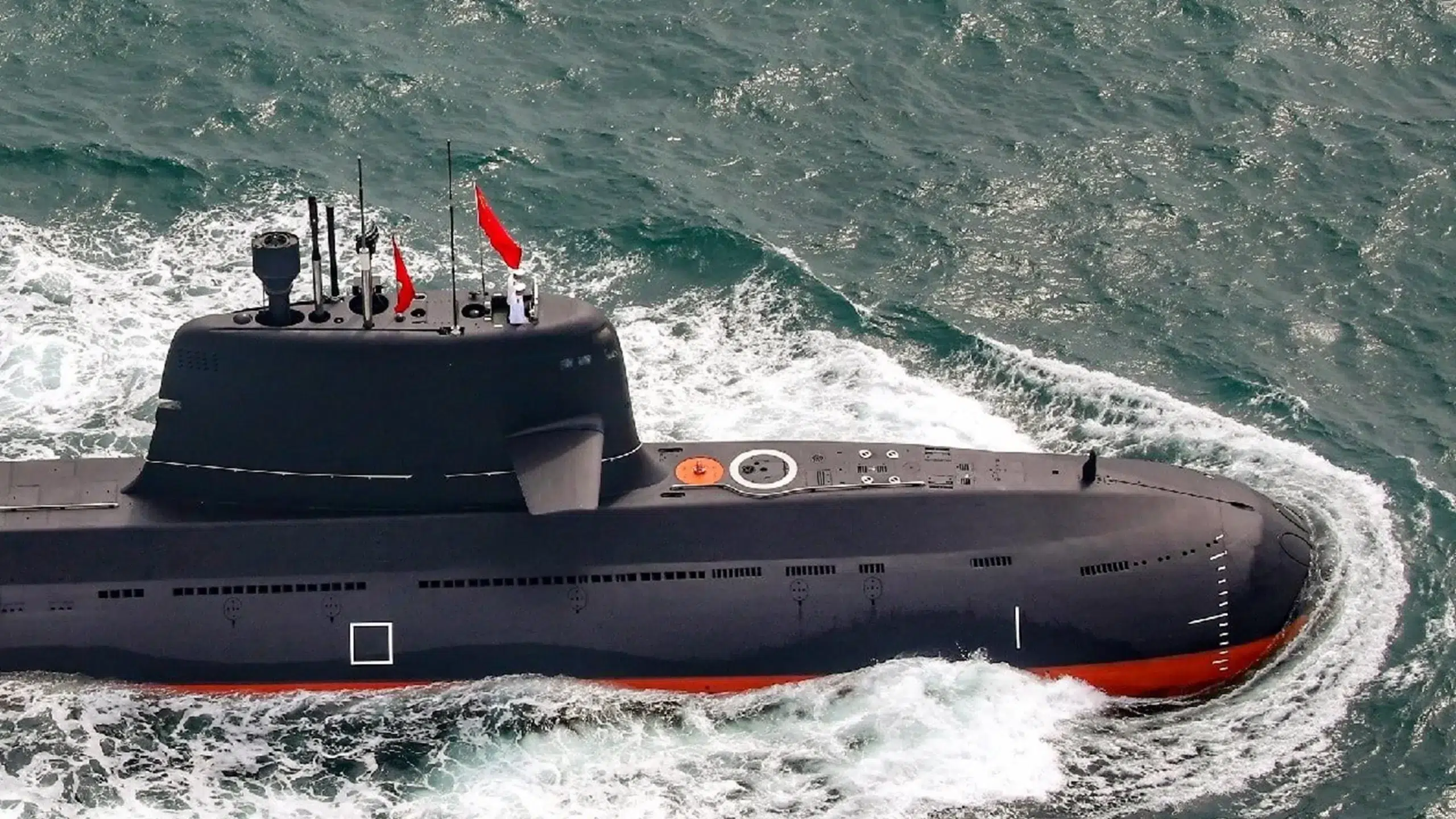
Pakistan already has the raw ingredients necessary to develop a robust defence industry. It is, for example, a large market for weapon systems, and defence spending takes up large portions of the annual budget. Sadly, a lot of this money ends up leaving the country to sustain foreign weapons purchases where it could – or rather, should – have served as an economic stimulus to support the domestic job market and industry development (especially in technologically intensive areas, such as aerospace).
Basically, a huge portion of Pakistan’s fiscal resources are flowing outside of the country to support jobs and industries in other countries. Moreover, by importing arms, Pakistan ends up ceding leverage to the governments of those foreign arms suppliers and, in turn, compromise the country’s ability to conduct an independent foreign (and, arguably, at times even domestic) policy. This dynamic is a threat to Pakistan’s national security, and Pakistan must work to reverse it as soon as possible.
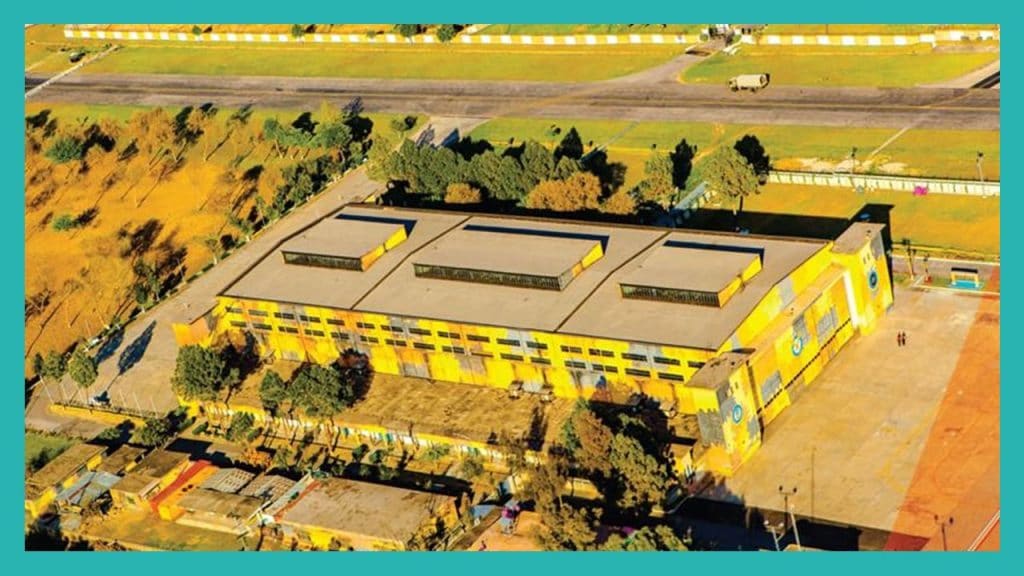
However, there are reasons why Pakistan continues to rely on foreign suppliers. One reason is a failure of the country’s state-owned enterprises (SOE) in the defence sector. Like their civil counterparts (especially Pakistan International Airlines), the defence sector SOEs also suffer from massive inefficiencies. However, the public rarely hears about these issues due to the veil of secrecy surrounding these organizations. These issues have real impacts on human resource management, which Quwa will cover in later articles.
Don't Stop Here. Unlock the Rest of this Analysis Immediately
To read the rest of this deep dive -- including the honest assessments and comparative analyses that Quwa Plus members rely on -- you need access.