

Introduction
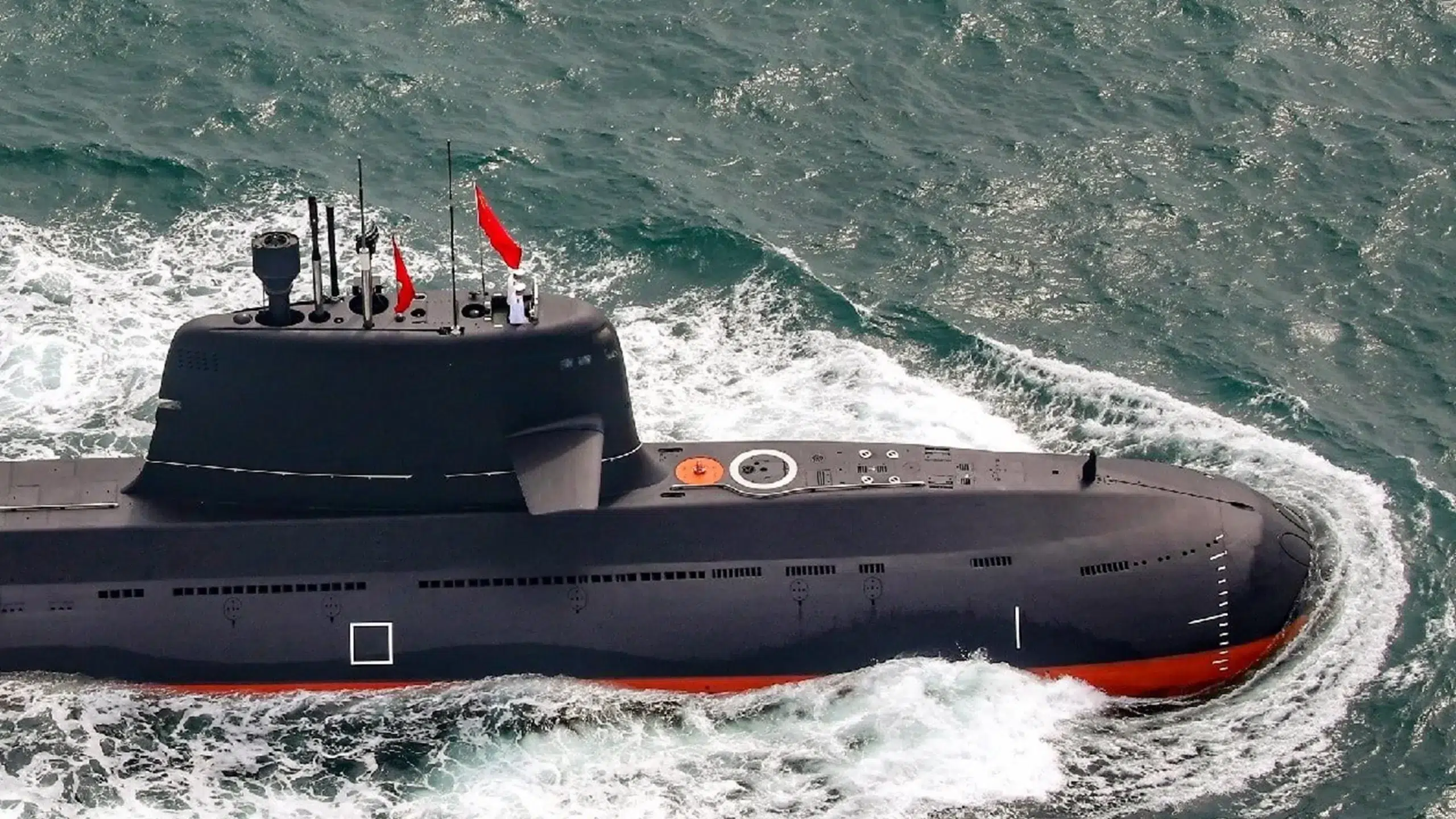
The core element of the Pakistan Navy’s long-term development efforts is the expansion of its submarine fleet, which is slated to swell to as many as 13 ships equipped with air-independent propulsion (AIP) from the three – i.e. Khalid-class (Agosta 90B) AIP submarines (SSP) – in service today. Pakistan signed a multi-billion-dollar deal in 2016 for eight new SSPs from China Shipbuilding Industry Corporation (CSIC). The first tranche of four SSPs is due for 2023-2024, while the remaining four – which will be constructed by Karachi Shipyard & Engineering Works (KSEW) – will be delivered by 2028. This is only the projected SSP fleet, the Pakistan Navy could also potentially add miniature diesel-electric submarines (SSK) for littoral operations. The prospect of a large submarine fleet – the largest in the history of the Pakistan Navy – could come to fruition, which will provide greatly improved anti-submarine warfare (ASW), anti-ship warfare (AShW) and land-attack capabilities. However, the effectiveness of this force will also necessitate infrastructure in the way of specialized support ships, such as a submarine rescue and salvage vessel.
Submarine Procurement
The Pakistan Navy’s submarine procurement plans outlined in detail in Quwa Premium’s Monthly Report for December 2017 (accessible here or Quwa Premium subscribers). Briefly, the Agosta 90B SSP upgrade – being headed by Turkey’s Savunma Teknolojileri Mühendislik A.Ş. (STM) and implemented at KSEW – program is worth $350 million U.S.[1] [2] Pakistan signed onto upgrading the lead-ship (PNS Khalid) in 2016, which will be delivered to the Navy in 2019 or 2020.[3] Pakistan has also issued subsystem contracts for the second ship (PNS Saad) in late 2017 – this will follow 12 months of PNS Khalid.[4]
Overall, the Agosta 90B upgrade program involves a thorough replacing of electronic subsystems, namely: electronic support measures (ESM); command and control (C2); combat management system (CMS), electro-optronics and sensors, such as radar.[5] The purpose of the upgrade is to equip the Agosta 90Bs with subsystems found on contemporary submarines, such as Naval Group’s Scorpene. Although this upgrade will not alter the structural qualities of the Agosta 90B, but it will enable Pakistan’s ships to have directly comparable ASW and AShW capabilities to its newer counterparts, such as the Scorpene.
The Agosta 90Bs will be joined by eight new SSPs from CSIC. Designated Hangor-class, it is unclear which CSIC model Pakistan will procure, but a mock-up shown by KSEW during the 2016 International Defence Exhibition and Seminar (in November 2016) suggested it could be the double-hulled S26. The S26 is the AIP-equipped variant of the S20. Displacing at 2,660 tons, the S26 has a maximum speed of 18 knots and maximum diving depth of 300 m.[6] The S26’s default AIP offering is a Stirling system.[7] While Stirling carries the risk of higher acoustic signatures (from vibrations caused by moving parts), but the S26’s double-hull design might help mitigate the effects. However, in contrast to the Thailand S26T contract, neither KSEW or CSIC have confirmed the model of Pakistan’s submarines. This is a worthwhile consideration as in November 2017, CSIC revealed a series of new single-hull SSPs.[8] Besides being closer in emulating the designs Pakistan had originally sought from Europe, such as the Naval Group Marlin and ThyssenKrupp Marine Systems (TKMS) Type 214, these new single-hull SSPs may also offer lower life-cycle costs – a key advantage when operating a large fleet.
Miniature SSKs are being sought to succeed the Navy’s Cosmos MG110 (SX756/W) for minelaying and frogmen (i.e. deploying special forces) operations. However, new mini-SSK designs can potentially deploy heavyweight ASW torpedoes and anti-ship cruising missiles (ASCM) as well. CSIC’s newly revealed 200-ton MS200 mini-SSK has two ASW torpedo tubes. Leveraging low procurement costs, Pakistan could consider adding a relatively sizable number of mini-SSKs to cement its littoral anti-access and area-denial (A2/AD) requirements. Turkey’s STM said it was engaging with Pakistan to develop an original mini-SSK design.
Overall, Pakistan could build a sizable submarine fleet through the long-term, certainly its largest in history and, arguably, by several multiples. This will translate into increases in AShW, ASW and land-attack thanks to the increase of platforms capable of deploying ASCM, ASW torpedoes and land-attack cruise missiles (LACM). On the surface, the loss of a submarine due to routine maintenance and servicing, wartime repair or – the worst-case scenario – attrition could be sustained thanks to a large fleet. The ‘distributed lethality’ doctrine enables navies to distribute the mainstay of their attack capabilities across many ships, instead of concentrating them in a few high-cost assets. The loss of one ship does not adversely impact the fleet’s effectiveness. However, operating a sizable fleet comes with higher operating costs and the necessity for a host of support platforms to supply forward ships and, if necessary, rescue crew and salvage ships.
Quwa Plus
Go Beyond the Headlines on Pakistan’s Defence and Security.
Quwa Plus gives you deeper reporting, briefings, and analysis on Pakistan’s defence programs, foreign policy, national security, and regional strategy. Follow the developments that matter to professionals, analysts, and serious readers tracking Pakistan’s security landscape.