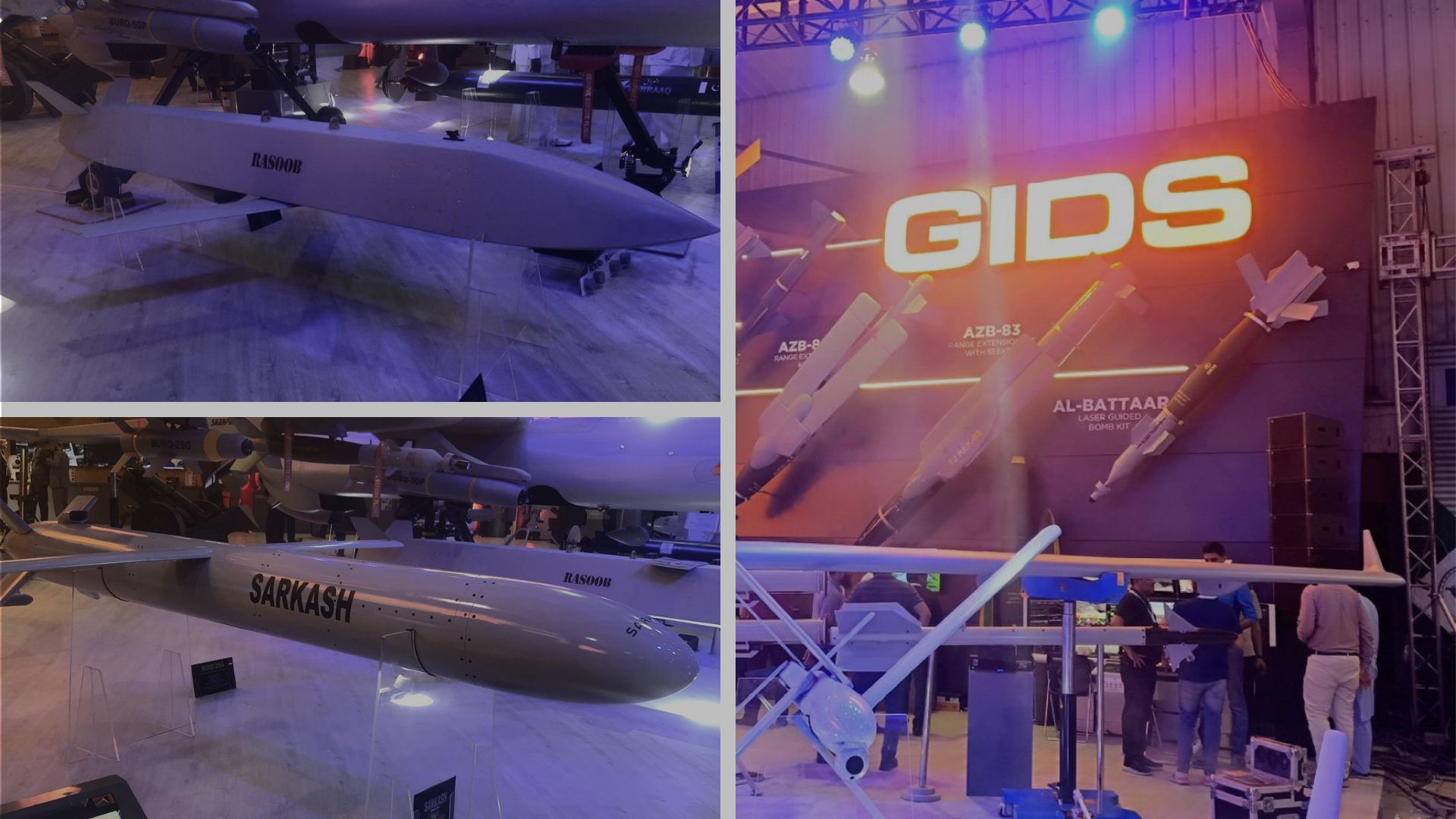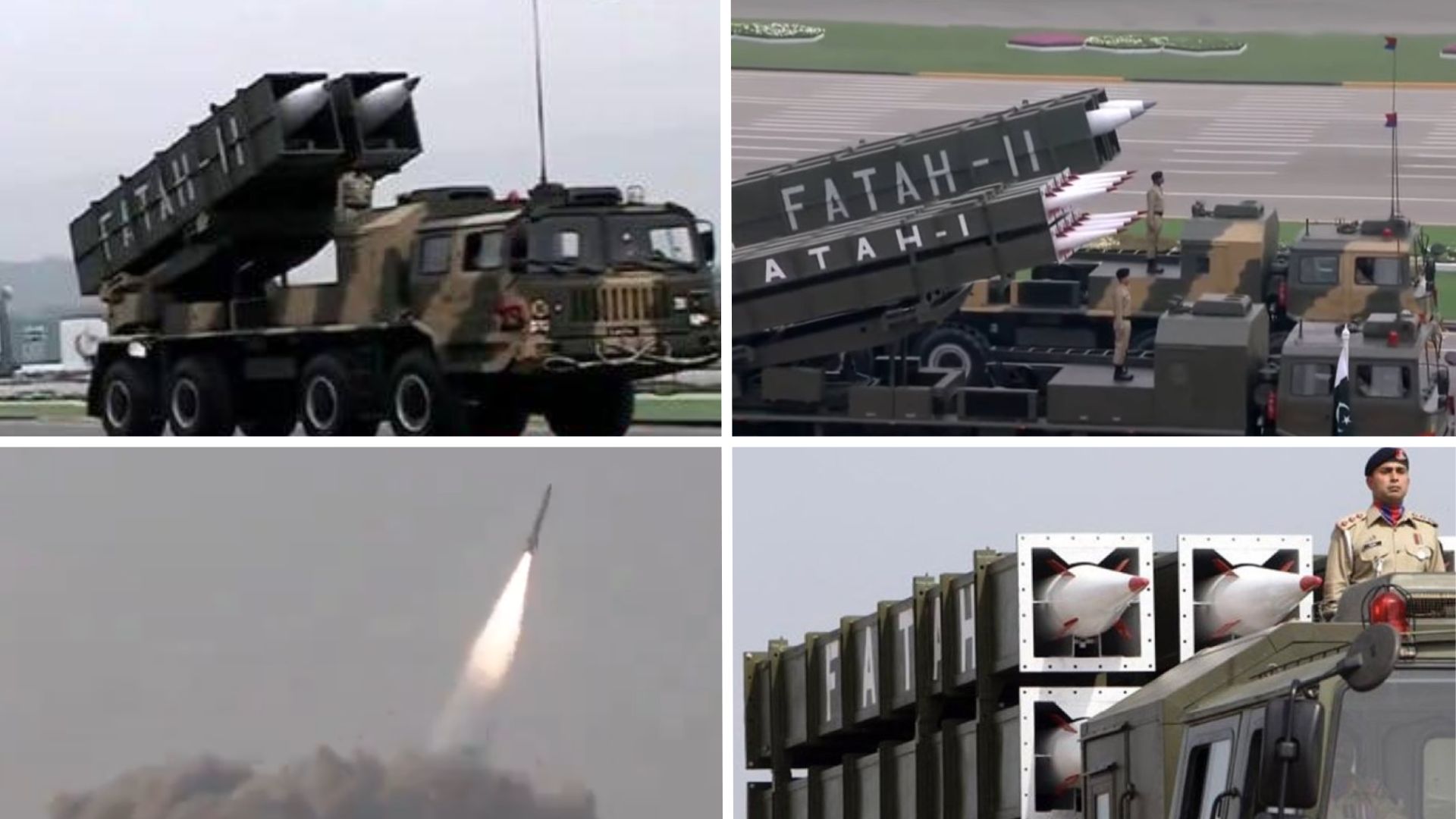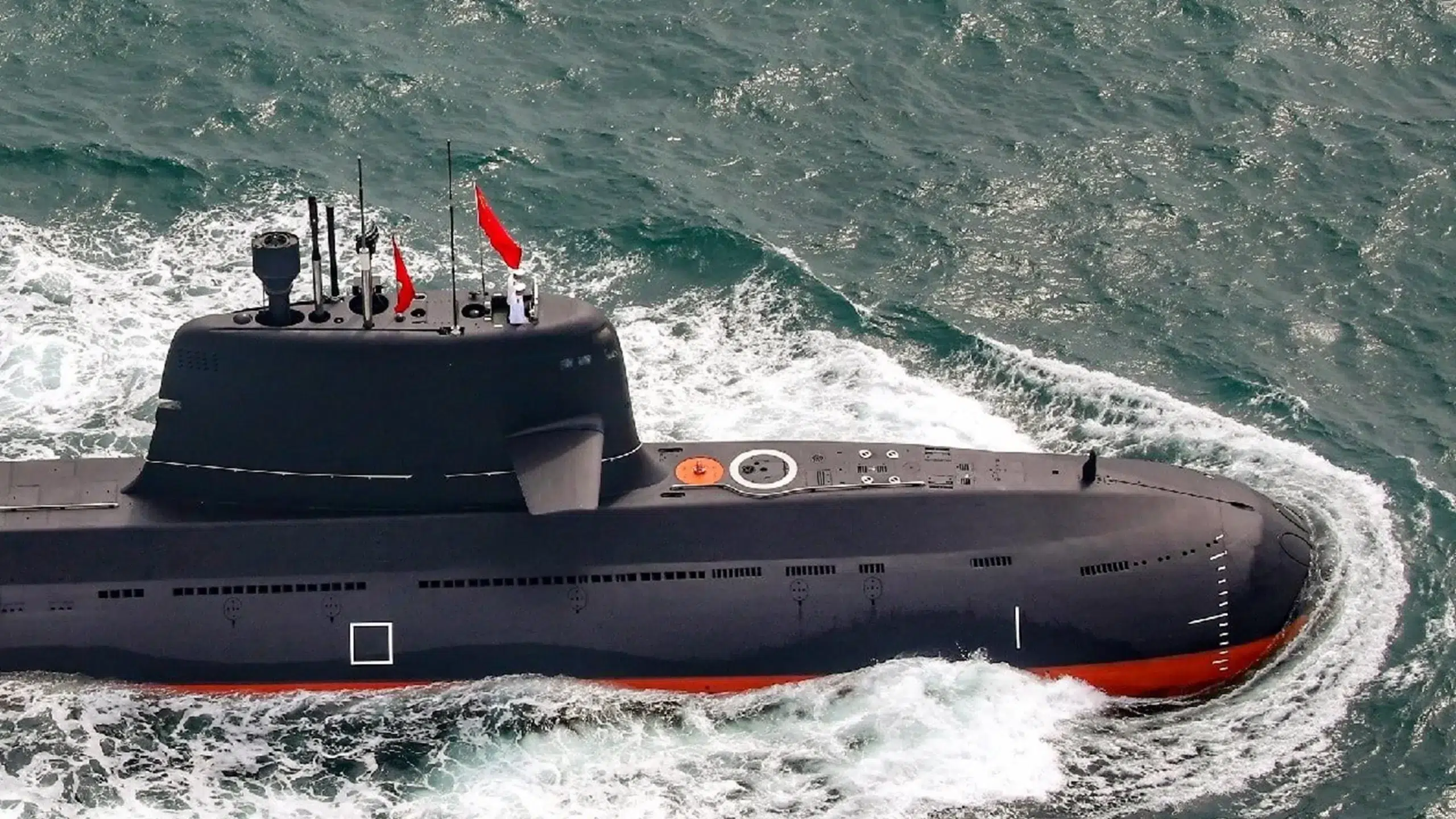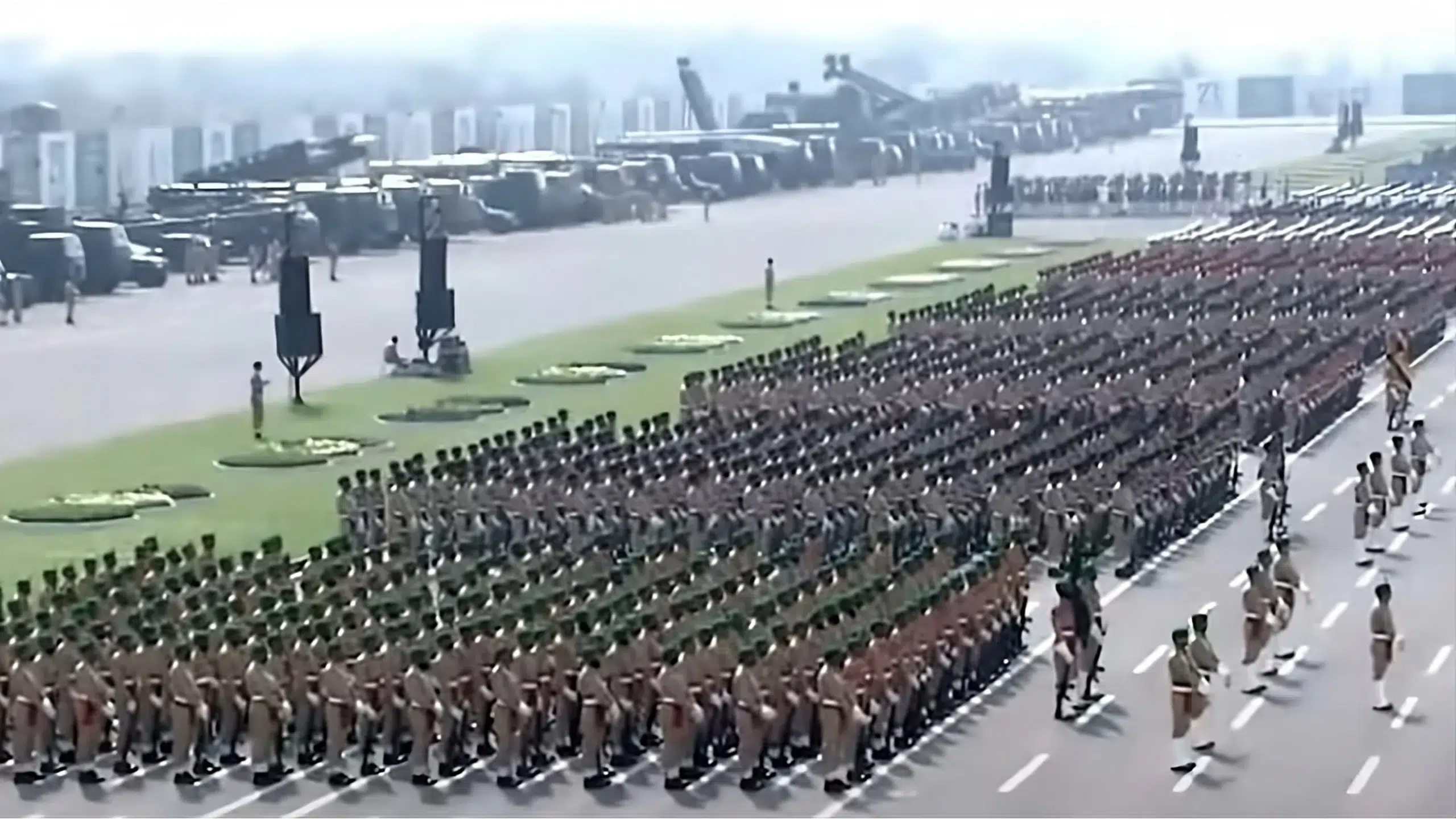

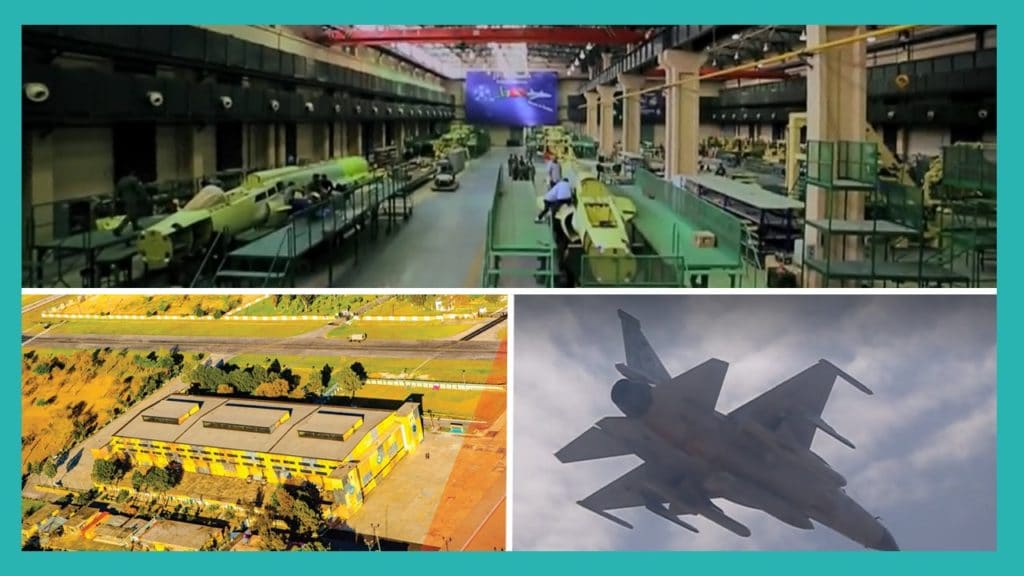
Since 1947, Pakistan traditionally relied on a superpower – i.e., Britain, the United States, and now China – for the bulk of its military equipment. If the first source is unable or unwilling to help, Pakistan pivots to the second. It had started by moving from Britain to America, and then to America to Europe and China.
This reliance was – and remains – acute for critical inputs such as engines for aircraft and ships, radars, and in many cases, high-tech weapon systems as a whole. However, with Pakistan’s access to high-tech weapon systems under strain, especially in regards to long-range and offensively capable platforms, the armed forces are pursuing domestic programs. Project Azm, the Pakistan Air Force’s (PAF) next-generation fighter program, is a notable example of this pursuit.
But Project Azm is a long-term endeavour, one that is far from showing tangible indicators of progress or success at this time. Not only that, but the PAF is unlikely to secure the critical inputs of its in-house fighter from any source but a reliable superpower-caliber state, i.e., China.
In addition, a myriad of Pakistani defence programs will enter the procurement pipeline from the present and by the time Pakistan can potentially field a domestic alternative. This forthcoming hardware will likely include new unmanned aerial vehicles (UAV), anti-tank guided missiles (ATGM), main battle tanks (MBT), helicopters of various types, and other equipment. The final bill will amount to several billion dollars.
The modernization run of the next decade will be an expensive investment. Ideally, the bulk of the money would flow into the Pakistani economy through orders from the domestic industry. Unfortunately, as the Pakistan Army’s (PA) recent VT4 purchase showed, big-ticket imports will still take priority.
On their own, imports present a significant challenge. First, they create a strain on Pakistan’s foreign/hard-currency and, in general, require loans spanning several years at a time. Second, they disincentivize local investors from taking defence ventures seriously as the country’s biggest buyer constantly looks outside. Third, the lack of investment in the domestic base prevents Pakistan from developing critical technologies of its own (and, in the long-term at least, mitigate some of its reliance on overseas suppliers).
Quwa Plus
Go Beyond the Headlines on Pakistan’s Defence and Security.
Quwa Plus gives you deeper reporting, briefings, and analysis on Pakistan’s defence programs, foreign policy, national security, and regional strategy. Follow the developments that matter to professionals, analysts, and serious readers tracking Pakistan’s security landscape.