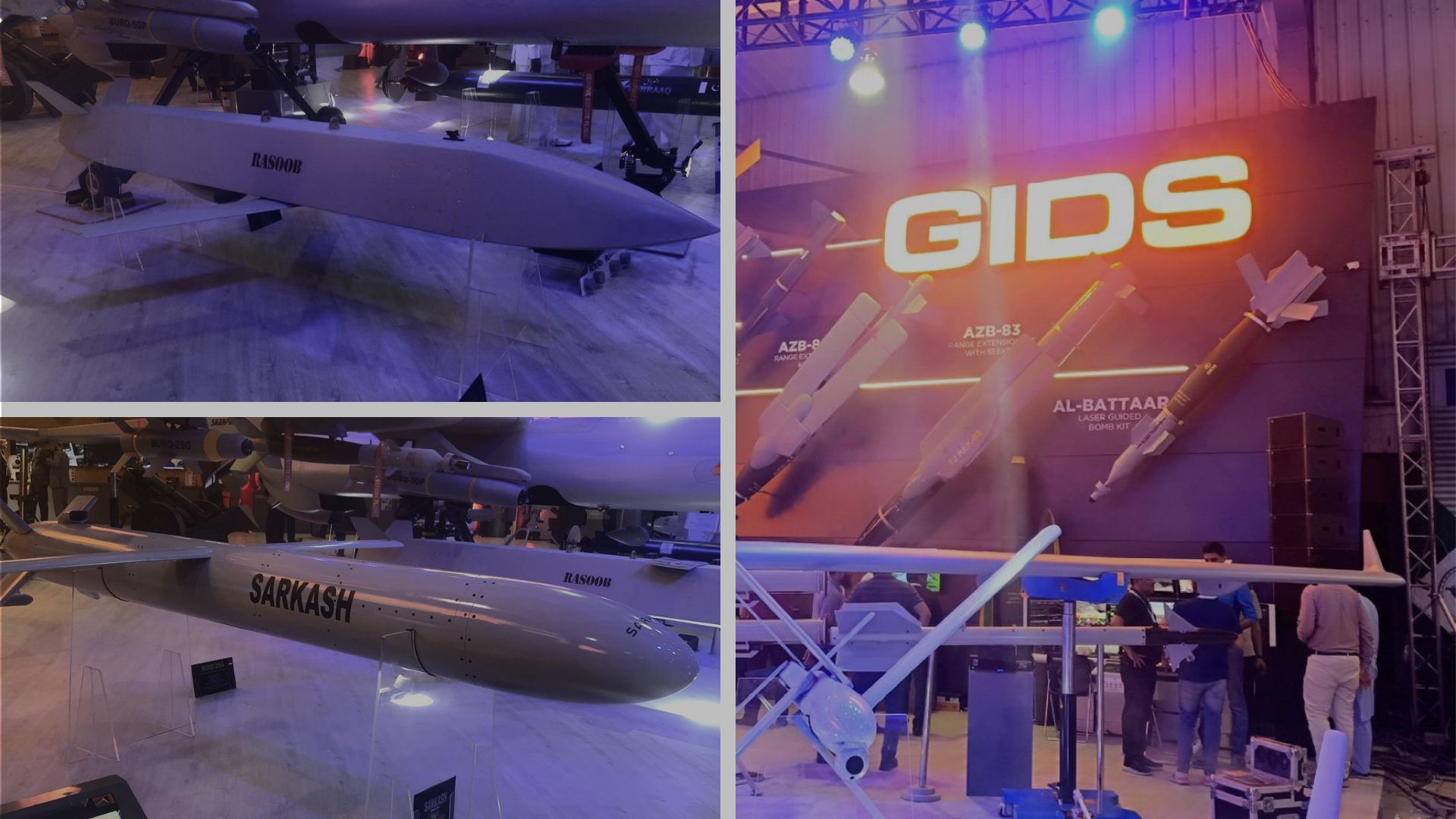
Global Industrial and Defence Solutions (GIDS), the commercial representative of multiple Pakistani state-owned defence suppliers, released its roadmap for future products.
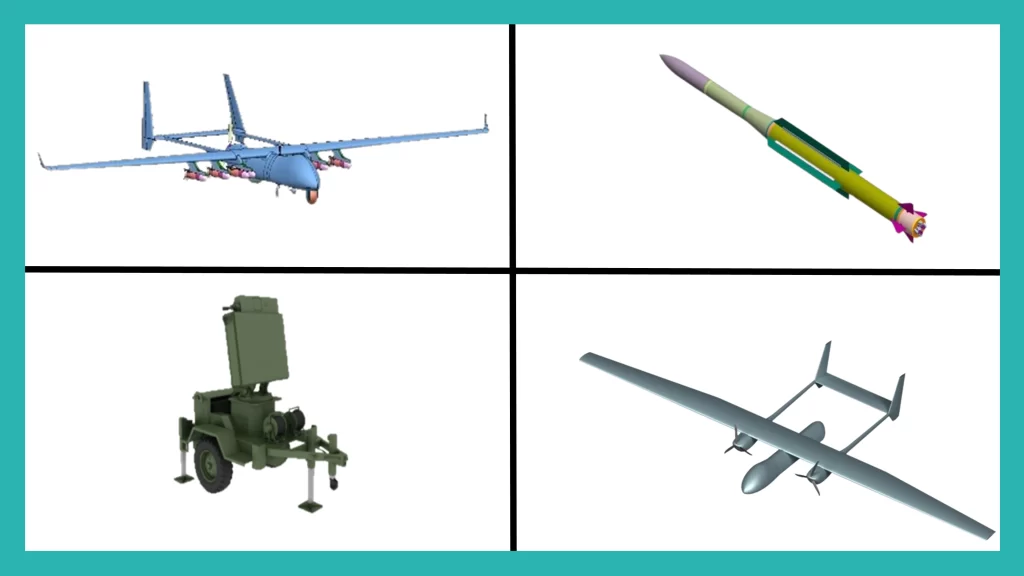
The roadmap can be accessed from GIDS’ official website, and it contains a wide variety of potential arms ranging from, among others, new high-altitude long-endurance (HALE) unmanned combat aerial vehicles (UCAV), active phased-array radars, surface-to-air missile (SAM) systems, and torpedoes.
Overall, GIDS’ future roadmap ranges from improved variants of existing, mainstay solutions – such as the Fatah-series of surface-to-surface missiles (SSM) and Burq-series air-to-ground missiles (AGM) – to newly revealed systems, like the “Group 5 UCAV” or “LOMADS” SAM system.
It should be noted that GIDS itself does not develop or manufacture any of the systems it is promoting and selling. Rather, GIDS serves as the commercial wing of a conglomerate of Pakistani state-owned enterprises that specialize in defence, such as NESCOM, for example. Basically, it is these state-owned enterprises that carry out the development and production work of GIDS’ products.
New HALE UCAVs
According to GIDS, there are two HALE UCAVs are under development: the 3,000-kg “Group 5 UCAV” and the 1,650-kg Shahpar III (also designated as “Group 4”).
Quwa Plus
Go Beyond the Headlines on Pakistan’s Defence and Security.
Quwa Plus gives you deeper reporting, briefings, and analysis on Pakistan’s defence programs, foreign policy, national security, and regional strategy. Follow the developments that matter to professionals, analysts, and serious readers tracking Pakistan’s security landscape.
Join ($29.99/Year) Already a subscriber?Sign in