

On 07 September 2020, the Pakistan Air Force (PAF) commemorated the Indo-Pak Wars of 1965 and 1971. In its presentation video, the PAF showcased a number of activities it was undertaking as part of the Kamra Aviation City initiative, an effort to set-up a domestic aerospace development and manufacturing cluster.
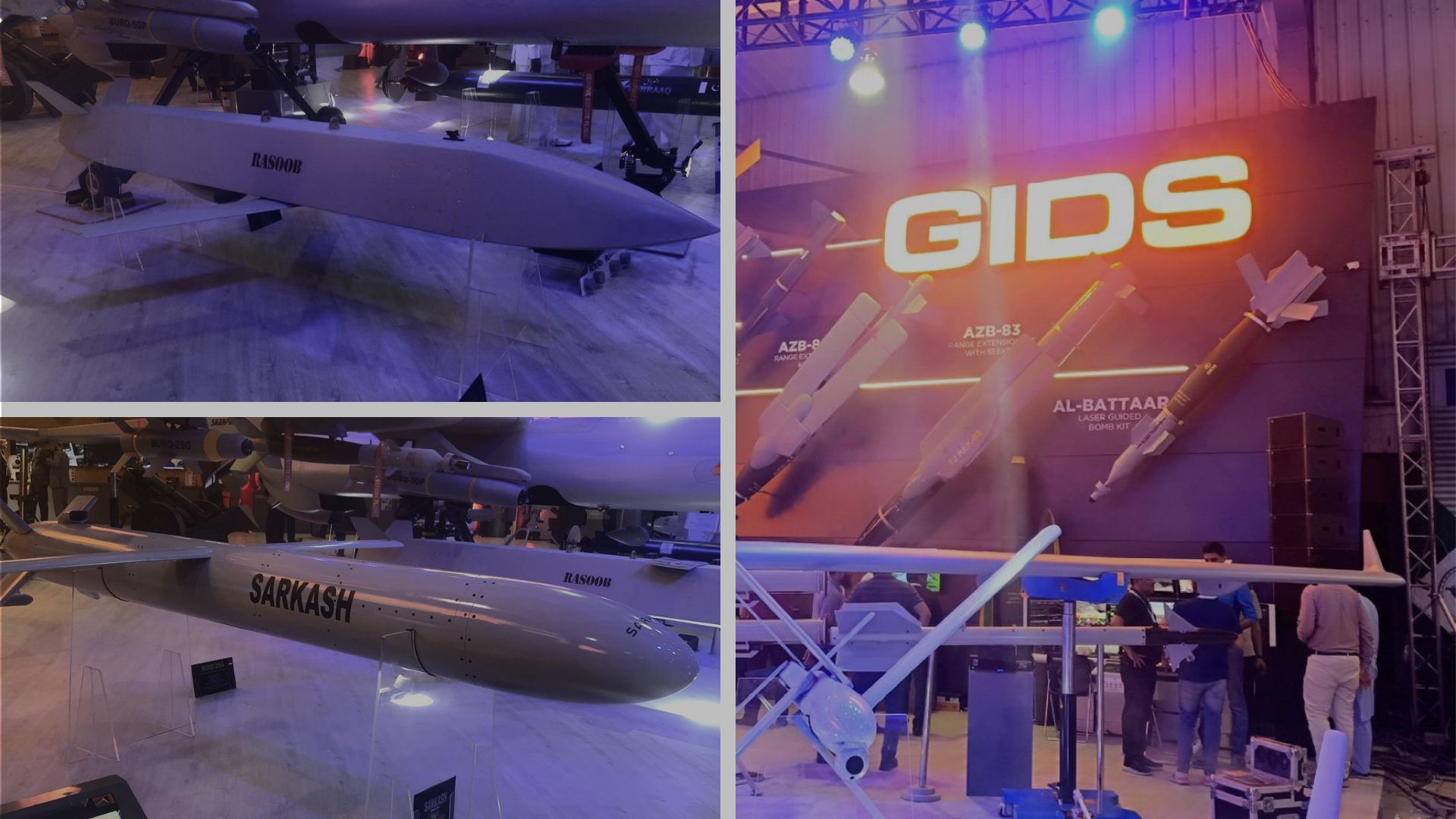
The crown jewel of this effort is Project Azm, an initiative the PAF started in 2017 to secure its own next-generation fighter aircraft (NGFA), unmanned aerial vehicles (UAV), and new munitions. In its event video, the PAF briefly showed glimpses of each of these projects.
However, though the commemoration event was recent, the video clips in question may not reflect the actual work PAC is currently undertaking for Project Azm. Nonetheless, the clips could offer an insight of the general direction of the NGFA’s main operational outcomes in terms of size, capability, and priorities.
Next Generation Fighter Aircraft

Interestingly, the video clips had showcased studies referencing the ill-fated YF-23 demonstrator. The YF-23 was Northrop’s proposal for the U.S. Air Force’s (USAF) Advanced Tactical Fighter (ATF) program. USAF ultimately selected Lockheed Martin’s submission, the YF-22 (i.e., the F-22 Raptor).
The ‘studies’ do not indicate anything on their own terms. However, based on other information, it leans towards the idea of a twin-engine fighter. In fact, the PAF Chief of Air Staff (CAS), Air Chief Marshal (ACM) Mujahid Anwar Khan, outlined that the PAF was seeking a single-seat, twin-engine design equipped with super-cruising and laser weapons from its NGFA.[1] Thus, the PAF is looking for an aircraft that delivers both current capabilities in so-called fifth-generation fighter aircraft (FGFA) today – such as low-observable (LO) and low radar cross-section (RCS) airframes – and in future generational platforms.
The video does not reflect the actual design of the PAF NGFA, but it could hint towards an interest in a medium-to-heavyweight design – e.g., a maximum take-off weight (MTOW) of 30,000 kg to 35,000 kg – over a medium-weight aircraft with a MTOW of 25,000 kg to 27,000 kg. The YF-23 and YF-22 both leaned towards heavyweight applications, whereas the F-35 – and emerging aircraft such as the Korea Aerospace Industries (KAI) KFX and Shenyang FC-31 – reflect lower-cost medium-weight designs.
PAF interest in a heavyweight design would not be surprising. Since as early as the 1970s, the PAF sought to build an effective long-range strike element (e.g., by requesting 110 A-7 Corsair IIs from America), but in general, suitable aircraft for the role were not available to Pakistan.
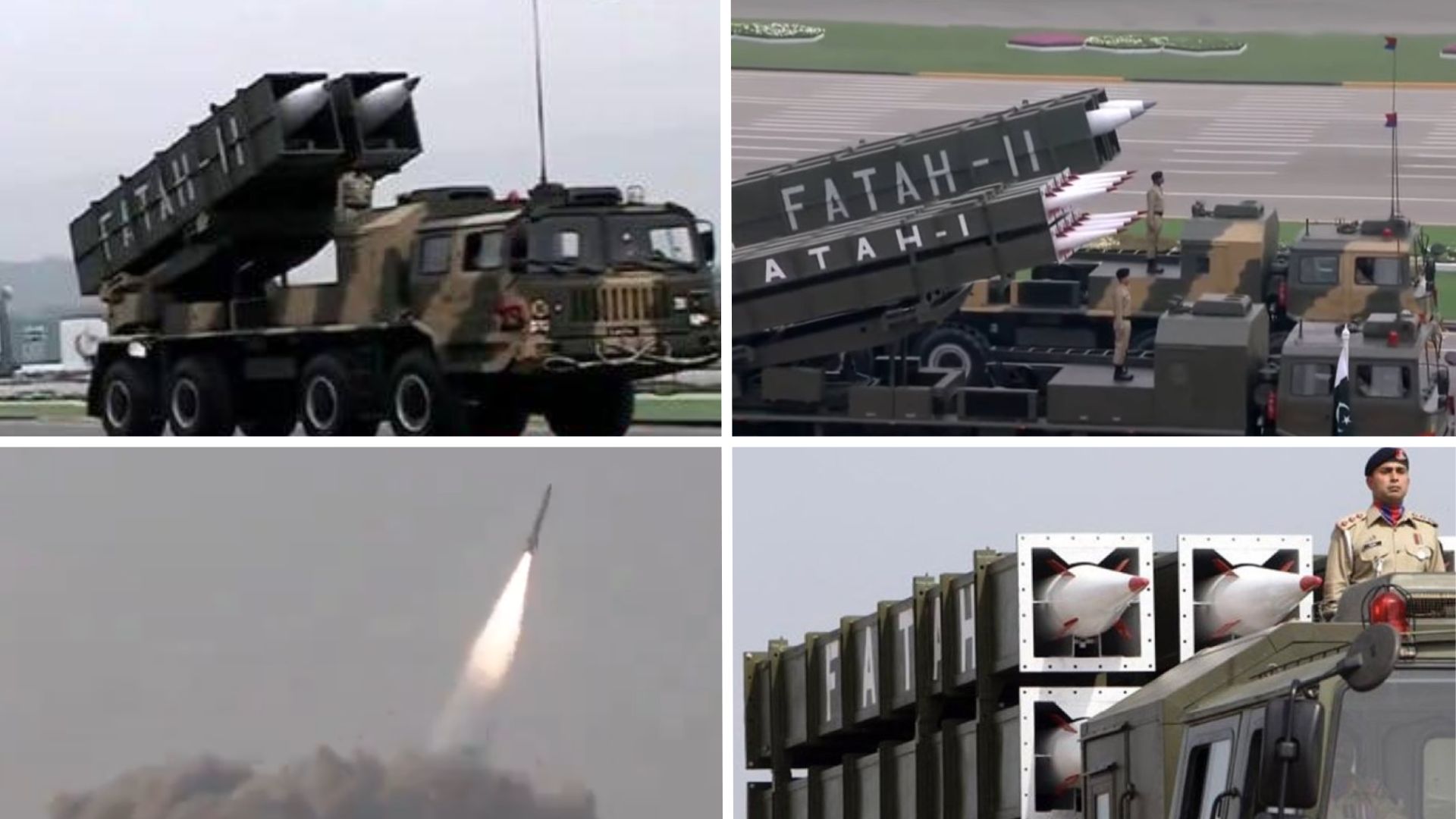
The PAF had already built an inventory of suitable stand-off range weapons (SOW), such as gliding bombs and air-launched cruise missiles (ALCM). However, the PAF is restricted to deploying these munitions via its lightweight aircraft – i.e., the Mirage III/5 and JF-17. Clearly, the procurement of a heavyweight aircraft with more carriage and range – and a measure of stealth – would be a strategic gamechanger.
This route would make logical sense in as far as if the PAF is unable to acquire an aircraft of this size and capability from overseas, it would have to develop a local solution. However, a ‘heavyweight’ fighter with a MTOW in-excess of 30,000 kg would open-up other questions, most notably the engine.
Don't Stop Here. Unlock the Rest of this Analysis Immediately
To read the rest of this deep dive -- including the honest assessments and comparative analyses that Quwa Plus members rely on -- you need access.