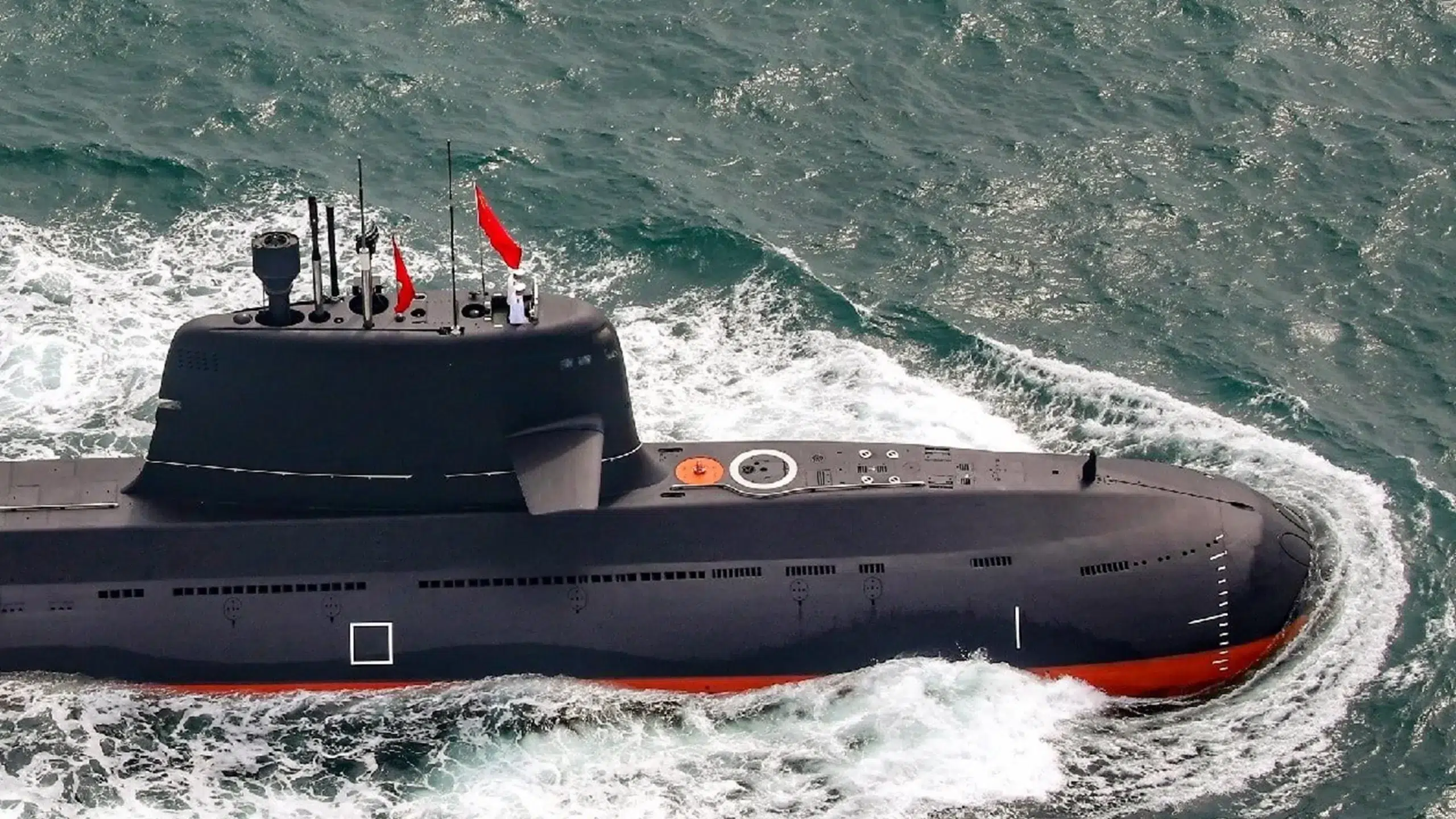

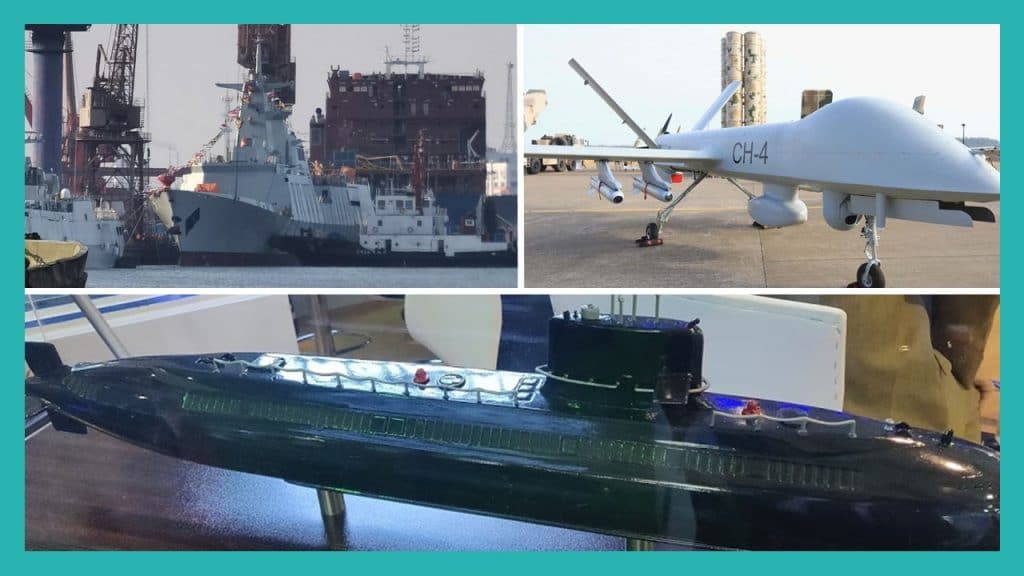
In an interview with China’s Global Times, the new Pakistan Navy (PN) Chief of Naval Staff (CNS), Admiral Muhammad Amjad Khan Niazi, outlined the PN’s current procurement roadmap.
In addition to the armaments already in its pipeline – including four Type 054A/P multi-role frigates, eight Hangor-class submarines, and drones from China – the CNS revealed that the PN is also seeking “modern helicopters, corvettes and shallow-water attack submarines.”[1]
The CNS did not disclose the specific suppliers it is working with to acquire the above-mentioned systems, but the PN will likely start by talking to its existing partners in China, Turkey, and Europe.
New Procurement Goals
It is unclear whether the current CNS’ revelations differ from the plans of the previous leadership. Some of the new information – such as helicopters and shallow-water attack submarines (SWATS) – is an evident continuation of priorities dating back to 2015, but “corvettes” may imply changes.
Modern Helicopters
In October 2020, the previous CNS, Admiral Zafar Mahmoud Abbasi, announced that the PN is expanding its fleet of “major surface vessels” to 20 ships. The PN likely defines “major surface vessels” as multi-role ships capable of anti-ship warfare (AShW), anti-submarine warfare (ASW), and anti-air warfare (AAW).
Based on these criteria, the PN would operate 14 “major surface vessels” by 2025 – i.e., four Type 054A/Ps, four MILGEMs, two Yarmouk-class corvettes, and four F-22P frigates. However, other than the five Z-9EC ASW helicopters it acquired with the F-22Ps, the PN’s rotary wing cannot support an enlarged fleet.
Quwa Plus
Go Beyond the Headlines on Pakistan’s Defence and Security.
Quwa Plus gives you deeper reporting, briefings, and analysis on Pakistan’s defence programs, foreign policy, national security, and regional strategy. Follow the developments that matter to professionals, analysts, and serious readers tracking Pakistan’s security landscape.