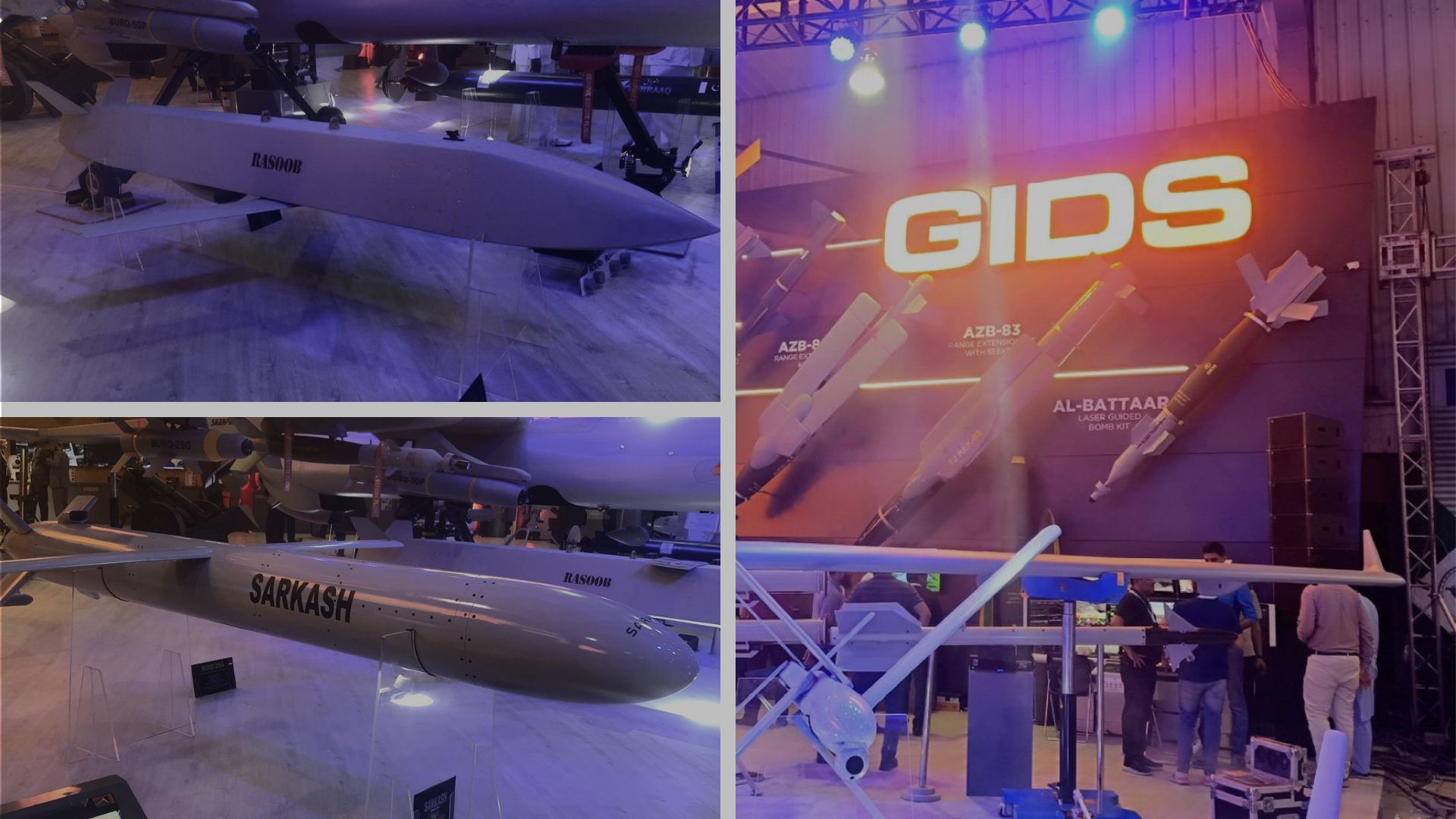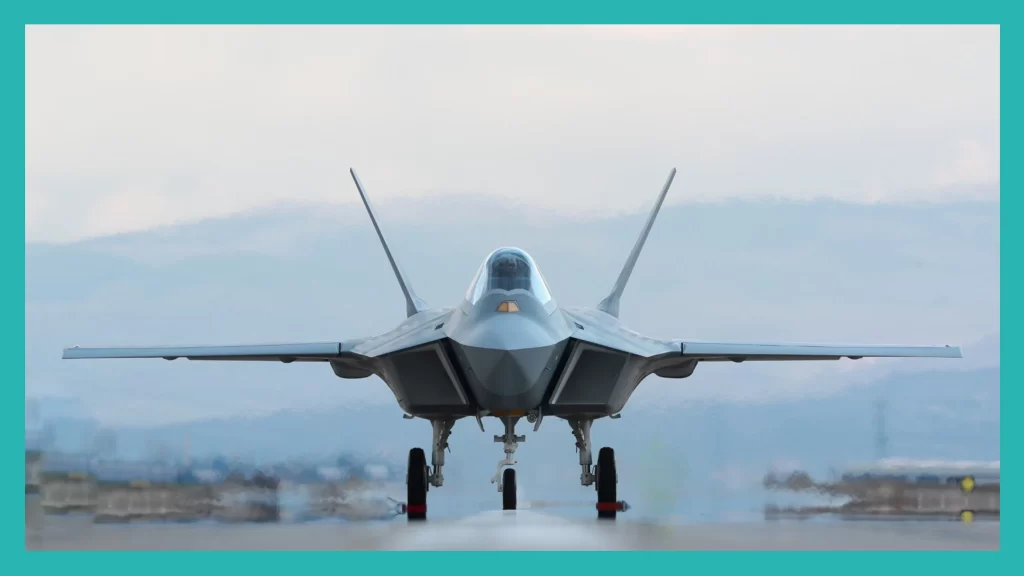
Türkiye used its biennial arms exhibition, the 2023 International Defence Industry Fair (IDEF), to reveal and showcase its growing solutions catalog and, in turn, drive buyer interest from all over the world. Be it new warship concepts, armoured vehicles, advanced munitions, and marquee projects (such as the KAAN next-generation fighter and F-16 ÖZGÜR upgrade), Türkiye’s state-owned and private sector vendors have both committed to bringing their projects to fruition for domestic and overseas needs alike.
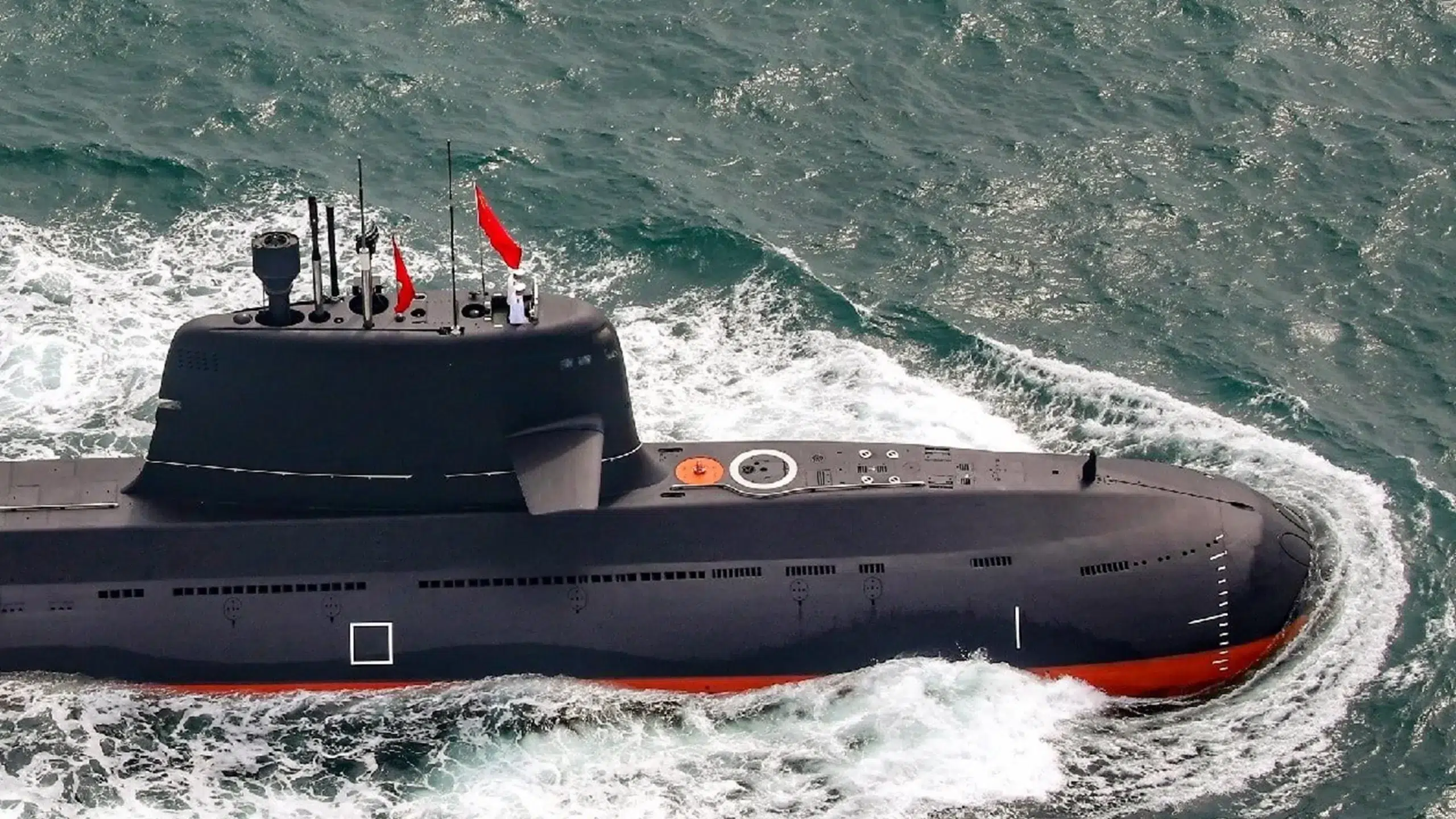
Ankara is not a stranger to being a defence exporter. In fact, in 2018, Türkiye closed several big-ticket deals with Pakistan in the form of the T129 attack helicopter and MILGEM corvette programs. While the MILGEM is progressing smoothly (with the fourth Babur-class corvette launching in August), the T129 was derailed due to the U.S’ refusal to release export licenses for the platform’s engines. Eliminating those supplier-side blocks became one of Türkiye key goals with its indigenization efforts, hence resulting in numerous engine programs for drones, helicopters, and fighter jets.
Following Strides with Leaps
Türkiye’s programs to-date show that it’s making strides in designing original solutions for a wide range of applications, be it small loitering munitions to large naval combatants to stealth fighter and drone aircraft.
However, the development processes involved to bring most of these programs to fruition up to this point required critical inputs from overseas, mainly the West. For example, the KAAN fighter prototypes rely on GE F110 turbofan engines, while the Hürjet trainer uses the GE F404.
To unlock the full export potential of its marquee solutions, Türkiye must own every critical input, including – if not most importantly – the powerplant. Being a new entrant to designing and producing aircraft, the effort to join the more exclusive powerplant club speaks to a higher ambition.
Likewise, Türkiye is also looking to pivot to original, homegrown upgrade paths for its existing systems, like the F-16. The Turkish Presidency of defense Industries (SSB) announced that the air force’s F-16C/D Block-30, Block-40, and Block-50 aircraft will undergo the domestic ÖZGÜR upgrade. Not only would this result in the Turkish Air Force’s vast F-16 fleet using locally built active electronically scanned array (AESA) radars, avionics, and electronic warfare and electronic countermeasures (EW/ECM) subsystems, but also leverage a growing inventory of locally developed air-to-air and air-to-surface munitions.
Finding Viable Partners and Customers
Türkiye’s shift to sourcing locally for both near and long-term requirements signals that Ankara is serious about the goals it set for the country’s defence industry. Undoubtedly, Türkiye’s national defence interests are a vital driver for the industry’s growth, but at the same time, Ankara likely senses the potential opening (increasingly left by Russia’s decline as an arms exporter) to push big-ticket arms sales to key markets.
Azerbaijan’s decision to join the Turkish Aerospace Industries (TAI) KAAN program is a notable example of this shift. Until recently, Azerbaijan was mainly customers of Russian military hardware, especially in terms of combat aircraft. However, Baku’s decision to partner with Ankara on the KAAN signals its desire to not only pivot away from Russian aircraft (at least in the long-term), but potentially build its own industry by collaborating with the Turks, not just in terms of aircraft, but other defence applications too.
Kazakhstan is also being pegged as another potential partner in the KAAN. To Türkiye’s benefit, these new potential partners not only bring help with driving economies-of-scale (via more production orders), but also strong fiscal support via their natural resource exports. This dual benefit can help secure funding for the KAAN and its critical subsystems (e.g., engine) while also help distribute the R&D costs across a larger number of units, thereby resulting in a more competitive price-point for the fighter. One can expect Türkiye to target former key Russian markets – e.g., Azerbaijan, Kazakhstan, Algeria, Iraq, etc – in the near future.
Türkiye will also target countries that would prefer Western equipment, but without the political, financial, or regulatory strings typically associated with U.S. and European solutions. Arguably, this could be among Türkiye’s biggest viable markets in aggregate. Countries like Pakistan, Bangladesh, Malaysia, Qatar, United Arab Emirates, Iraq, Argentina, South Africa, Nigeria, Ukraine, and many others fall into this group.
Don't Stop Here. Unlock the Rest of this Analysis Immediately
To read the rest of this deep dive -- including the honest assessments and comparative analyses that Quwa Plus members rely on -- you need access.