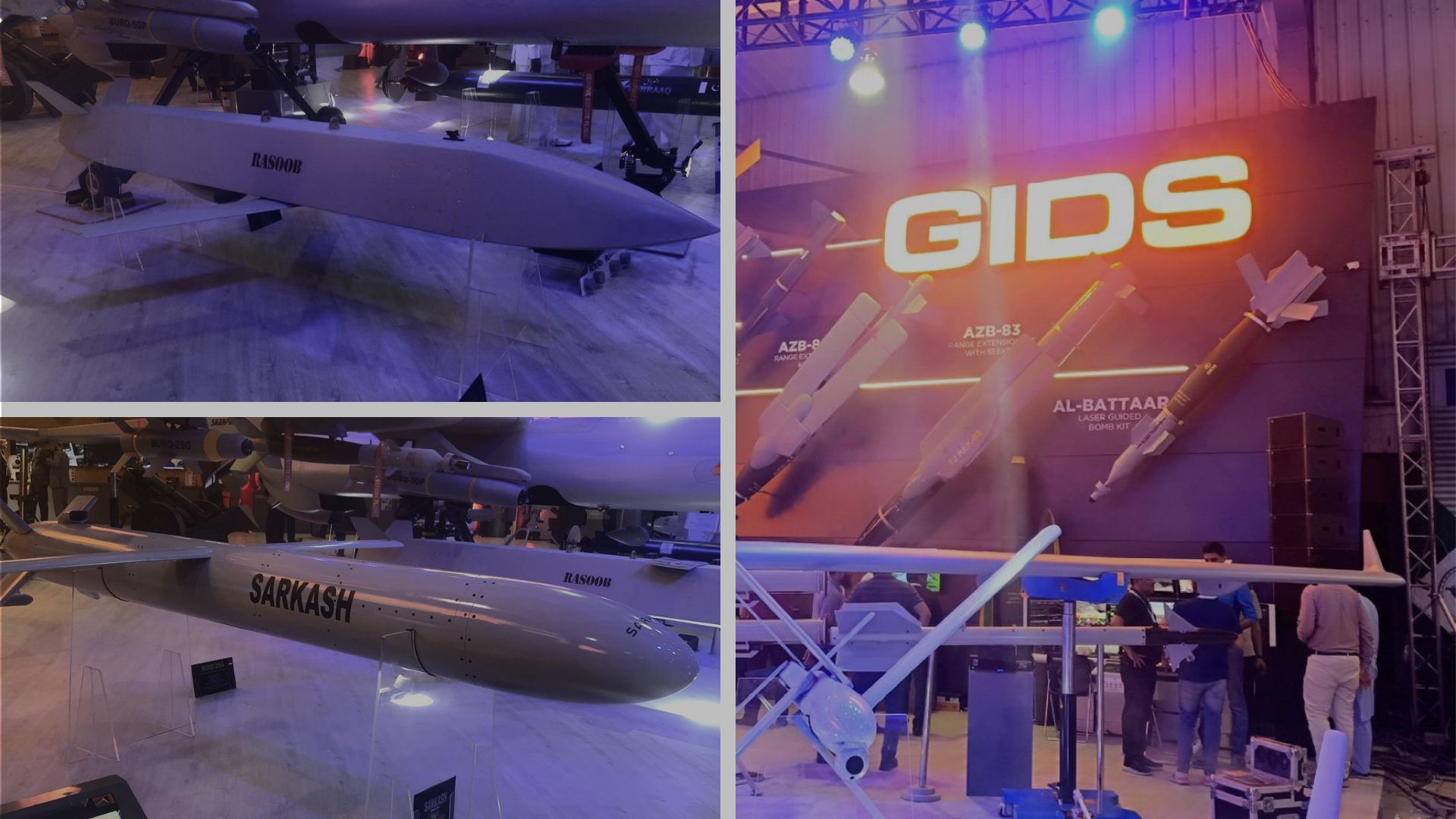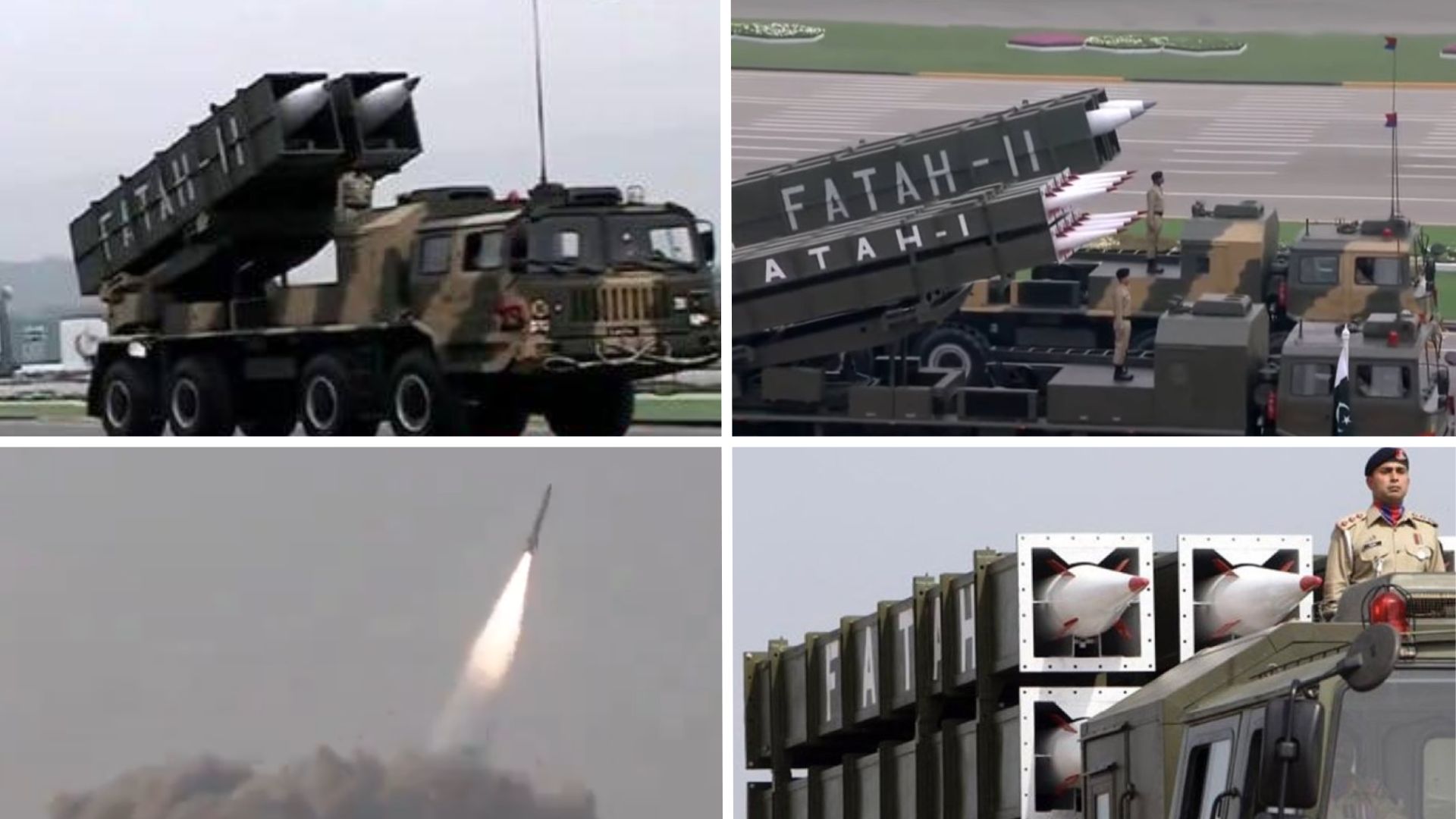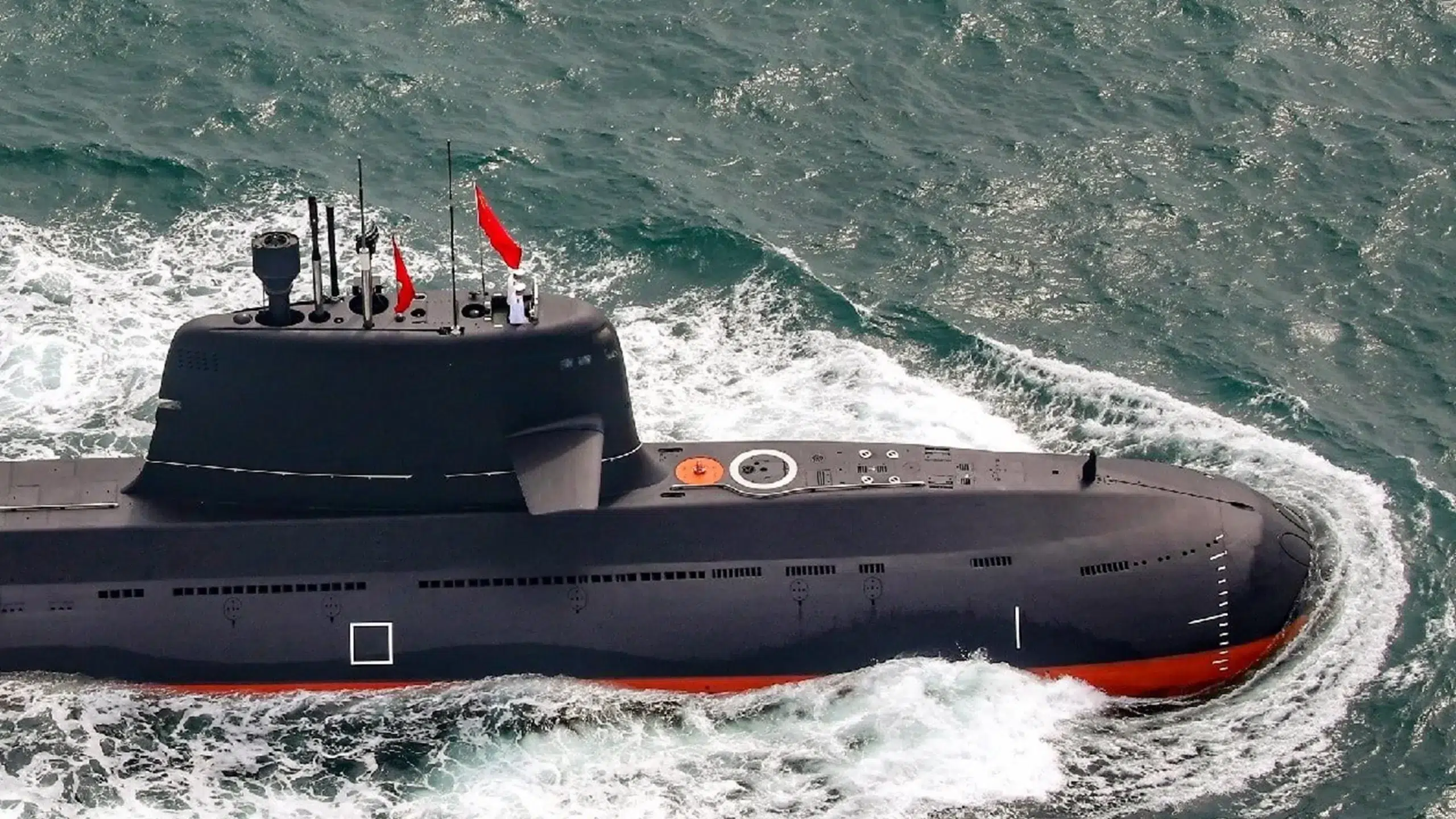
During the 2022 International Defence Exhibition and Seminar (IDEAS), Pakistan showcased a number of projects and initiatives. Some of these projects may indicate the direction of its modernization efforts.
Heavy Industries Taxila (HIT) Reveals VT4 MBT Co-Production Plans
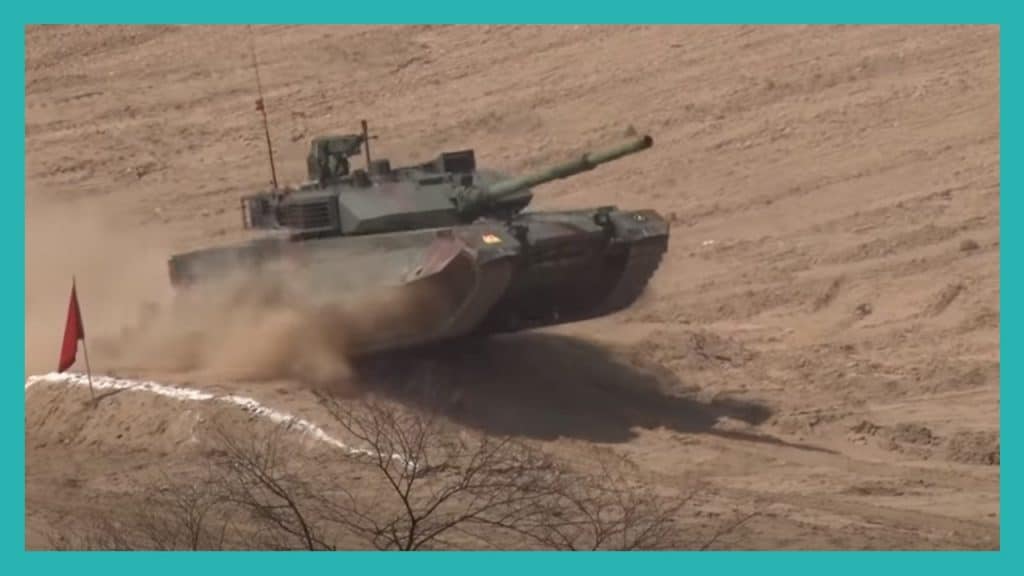
During IDEAS 2022, Pakistan’s Heavy Industries Taxila (HIT) officially revealed that it will co-produce the VT4 main battle tank (MBT) as the “Haider” in collaboration with NORINCO.
The NORINCO VT4 is among the latest in China’s armoured offerings for the export market. It has a total weight of 52 tons and is reportedly powered by a 1,200 hp turbocharged diesel engine (some sources also report it using a 1,300 hp powerplant), explosive reactive armour (ERA), and 125 mm smoothbore gun.
The Pakistan Army (PA) initiated the Haider MBT program in 2015 in an effort to acquire a new-generation tank. With the Haider, the PA had two goals in mind. First, to accelerate the replacement of its aging tanks, such as the T-59. Second, to complement the domestically-built al-Khalid MBT with a platform that brings new technologies and capabilities into the PA’s armour inventory.
The PA had shortlisted the Ukrainian KMDB (Kharkiv Morozov Machine Building Design Bureau) Oplot and NORINCO VT4. It chose the VT4 and, in 2018, signed a deal with NORINCO for 176 tanks with an option to expand the order to around 300 units. NORINCO started delivering the VT4s to Pakistan in 2020 and, later that year, the PA officially inducted the platform.
However, with HIT announcing that it will involve itself in the supply of the VT4/Haider, it seems that the PA is committing to the platform at a wider level than solely an off-the-shelf purchase. The actual extent of the expansion was not officially revealed, but there are observer reports claiming that the PA will more than double its Haider MBT order.
It is unclear how HIT launching the Haider MBT line impacts the al-Khalid 2 program. In fact, in its current form, the VT4 already contains many of the improvements the PA sought in the al-Khalid 2. These include, among other things, a higher-torque engine, improved armour technology, the ability to fire guided anti-tank rounds, and network-enabled warfare capabilities.
Moreover, it is unclear how much additional production capacity HIT can handle in its current set up. HIT’s focus on the Haider MBT could take away from the al-Khalid-series. On the other hand, though HIT could potentially localize the Haider to the same extent as the al-Khalid and manufacture it, the PA could, at the same time, draw on NORINCO in parallel. Thus, the PA could leverage dual supply channel to drive a faster induction rate, which would align with the idea of accelerating the replacement of legacy tanks.
In 2021, HIT had suggested that it could use the VT4’s technology in the al-Khalid 2. While that approach certainly offers value from a standardization perspective, it may not be optimal. Basically, the actual MBT that the PA wants already exists in the Haider/VT4. Is it feasible to extend the al-Khalid 2’s development cycle to just, ultimately, end up with another Haider/VT4 when that tank is already available?
If the al-Khalid 2 is to continue, it would likely be as a parallel platform. In this case, there may be value in taking a simpler approach to the tank so as to reduce costs. In other words, instead of significant changes to the chassis and turret, the PA could largely retain the set up of the al-Khalid I.
Don't Stop Here. Unlock the Rest of this Analysis Immediately
To read the rest of this deep dive -- including the honest assessments and comparative analyses that Quwa Plus members rely on -- you need access.