Turkey Expresses Interest in the Eurofighter Typhoon
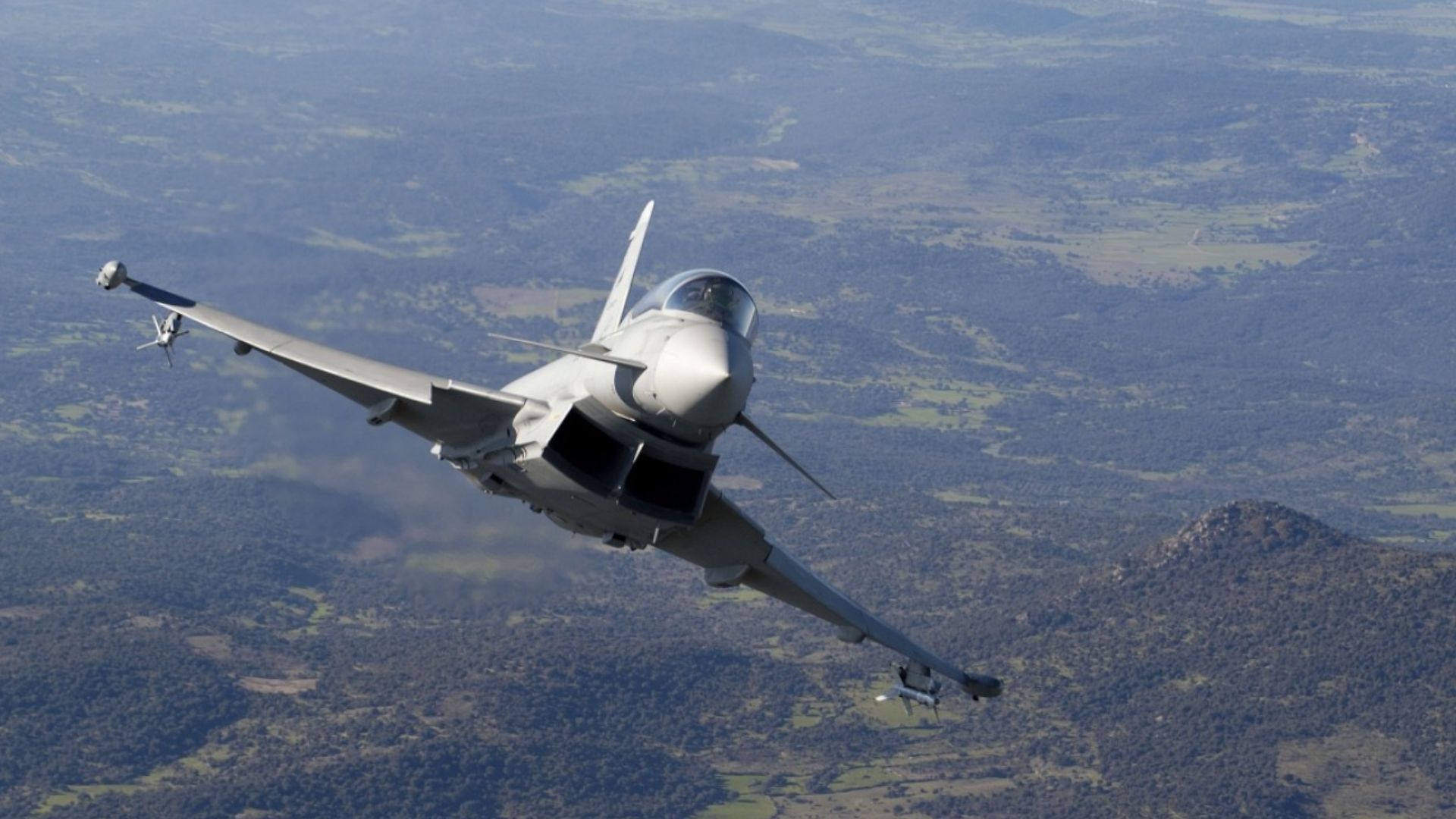
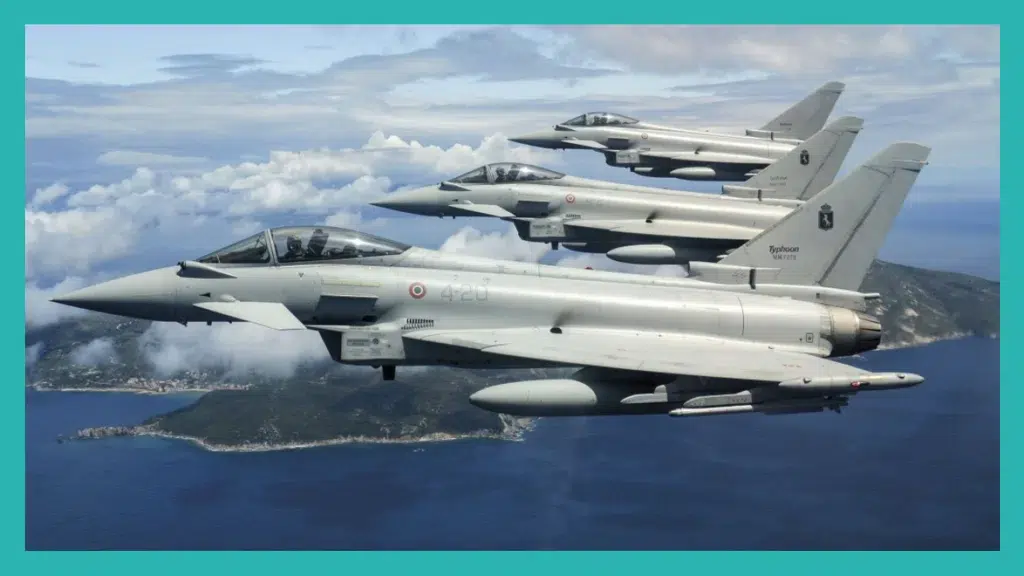
Turkey’s defence minister, Yasar Guler, revealed to a parliamentary hearing that the country was exploring an acquisition of 40 Eurofighter Typhoon fighter aircraft. Being a consortium project, the Typhoon would require the approval of its participating members, i.e., the United Kingdom, Spain, Italy, and Germany.
As per Guler, the British and Spanish governments were supportive of the potential deal and were aiming to bring Berlin over to greenlighting the sale. However, analysts are skeptical that Germany will budge on the matter, especially as its relations with Ankara have reached a low amid the two countries’ differences over the conflict between Hamas and Tel Aviv. Turkey was also waiting on the United States to approve the purchase of 40 new-build Lockheed Martin F-16 Block-70/72s and 80 upgrade kits, but that has not been forthcoming. It seems that the Typhoon bid is an attempt to acquire an alternative to the F-16.
Since 2017, foreign policy problems (arising from different issues) dampened Turkey’s efforts to modernize its fighter fleet. First, the procurement of S-400 long-range air defence systems from Russia pushed Turkey out of the Lockheed Martin F-35 Lightning II program, denying the Turkish Air Force a key next-generation fighter aircraft (NGFA) asset. Second, tenuous relations with Germany, France, and the United States have made procuring once available platforms more difficult, thus highlighting the importance of the country’s indigenous projects, like the Turkish Aerospace Industries (TAI) KAAN NGFA and Baykar Bayraktar Kızılelma unmanned combat aerial vehicle (UCAV) projects.
The inability to acquire new fighters will put the Turkish Air Force in a more tenuous state in the short and medium terms, but at the same time, there is light at the end of the tunnel. If Ankara is unable to procure either the F-16 Block-70/72 or Typhoon, then it will boost investment in its domestic programs. However, having Germany put a block on another potential Typhoon deal could spell more significant problems for Europe, especially as it would deny Berlin’s consortium partners valuable workshare opportunities.
For its part, the U.K. is already bypassing German sensitivities regarding Turkey by assisting TAI with design and development work for the KAAN. The UK even touched base with Ankara about collaborating on new turbofan engines to power the KAAN. However, the British will be particularly weary about including the Germans in future collaborations. Interestingly, the U.K. is already working with a fairly new and out of the way technical partner for the Global Combat Air Programme (GCAP), Japan.
In contrast, Germany has gotten close to France by participating in the Future Combat Air System (FCAS). Thus, in a way, the ‘schism’ between London and Berlin translated into a material difference much earlier, and the current fallout will simply cement those gaps.
Portugal Orders Multirole Vessel Capable of Being a Drone Carrier
On 24 November 2023, Damen Shipyards Group announced that it won a contract to supply one “Multi-Purpose Vessel” (MPV) to the Portuguese Navy. Design wise, the MPV mirrors the characteristics of a small landing platform dock (LPD), like the Kalaat Beni-Abbess-class LPD built by Fincantieri.
Portugal intends to use the MPV for a wide variety of roles, including humanitarian assistance and disaster relief (HADR), search-and-rescue (SAR), oceanic research, and others. As such, the MPV will offer a 650m2 cargo deck that can house twelve 20-foot containers, including containerized facilities, such as hospitals.
However, one notably interesting feature of the MPV is that it will be designed to support drone operations for surface, sub-surface, and air missions. It will have dedicated facilities and systems for unmanned aerial vehicles (UAV), unmanned surface vehicles (USV), and unmanned underwater vehicles (UUV). It will have a 94×11-metre flight deck and hangar for UAVs, and a stern ramp for UUVs and USVs.
Hence, the MPV can basically function as a full-spectrum drone carrier. In effect, this would make the MPV the second dedicated ‘drone carrier’ in the world following Turkey’s TCG Anadolu. However, and perhaps more significantly, the MPV could also mark the start of a specific category of naval ship centered on the task of managing and coordinating drone operations at sea. One could potentially see other ships of this type emerge in the future and, in turn, open another dimension to naval warfare.
Don't Stop Here. Unlock the Rest of this Analysis Immediately
To read the rest of this deep dive -- including the honest assessments and comparative analyses that Quwa Plus members rely on -- you need access.