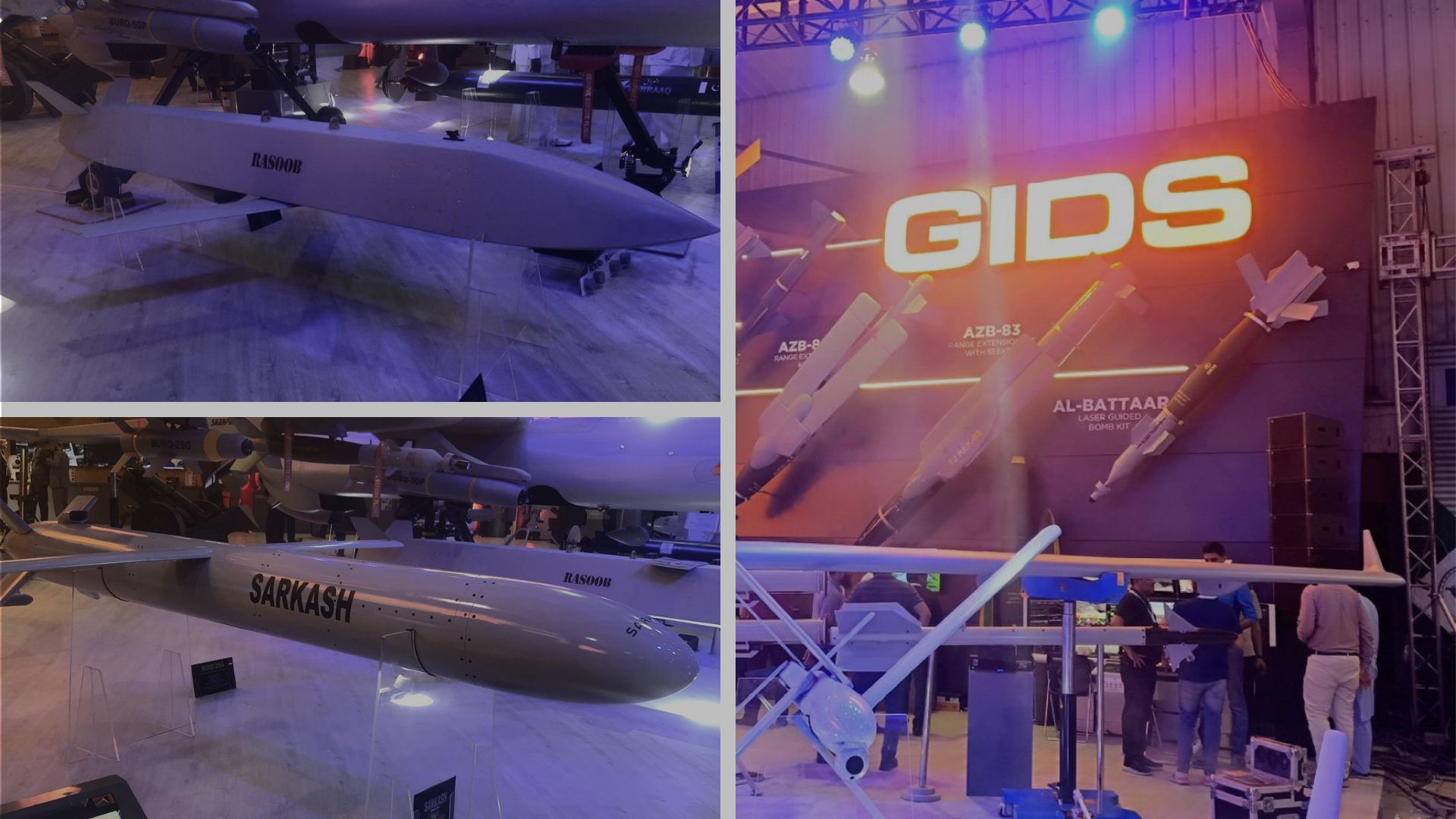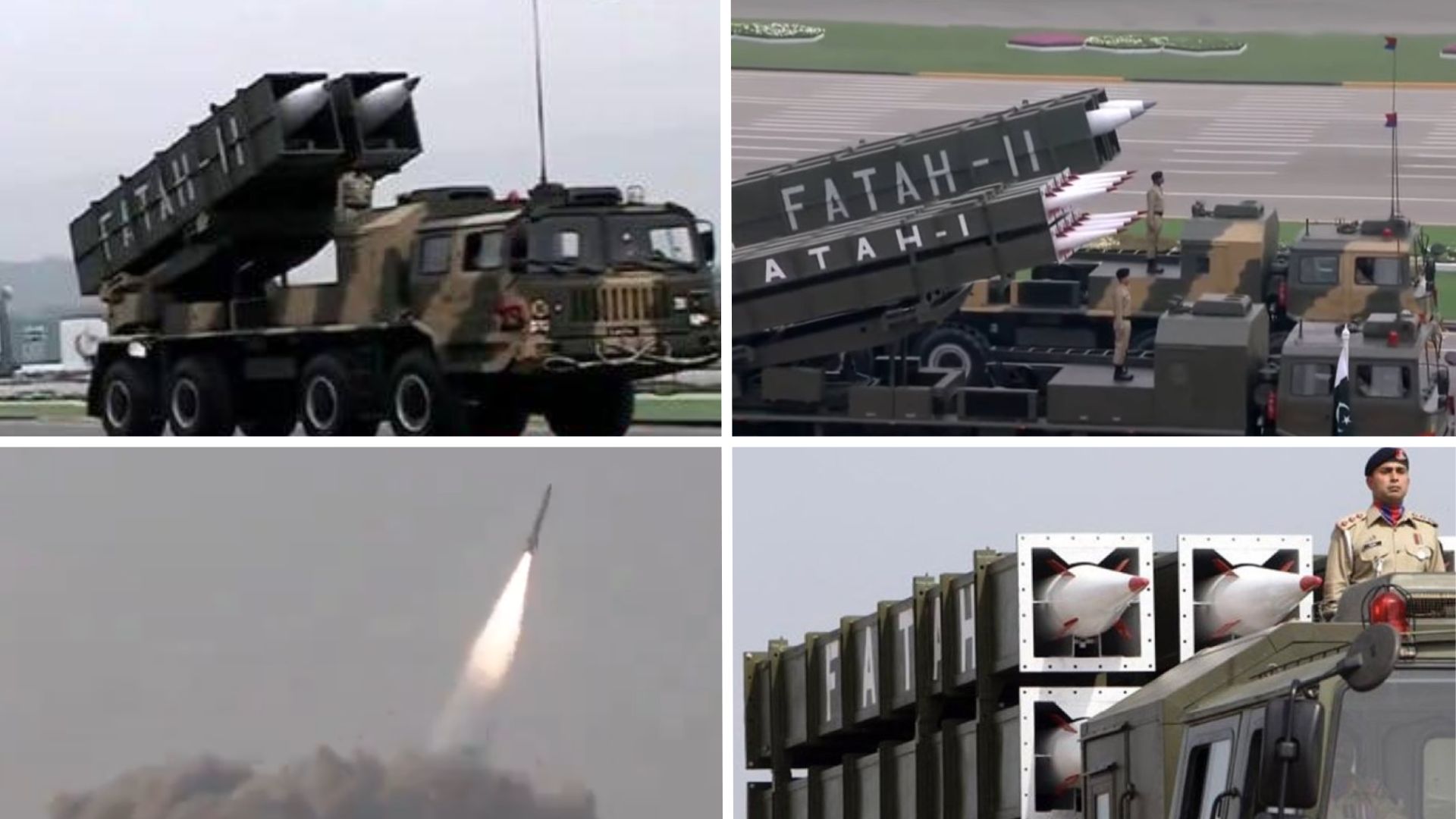
During the 2018 International Defence Exhibition and Seminar (IDEAS), the Pakistan Air Force (PAF) Chief of Air Staff (CAS) Air Chief Marshal (ACM) Mujahid Anwar Khan stated that Project Azm, the PAF’s next-generation fighter, was “indigenous” and “not dependent upon western or eastern partners.”
The statement outlined an ambitious scope, to say the least. However, one would be right to be skeptical considering that Pakistan lacks the industrial inputs necessary to design and develop such a fighter. There are a handful of countries in the world with all those inputs; in most cases, a foreign partner is needed.
In his statements before retiring, the previous CAS, ACM Sohail Aman, had said (in December 2017) that “Pakistan is engaged with Chinese experts in manufacturing the next generation aircraft.”
This is the most realistic scenario because — besides the fact that China is Pakistan’s top defence partner — but because China is the most accessible turnkey industrial power available to Pakistan. One can argue that besides the US, France, Russia, and China, there are no countries that can contribute to any part of a next-generation fighter. But for Pakistan, the US, France, and Russia are non-factors in this respect.
Recently, the New York Times reported that a proposal was made to form “a special economic zone (SEZ) [in Pakistan]…to produce a new generation of fighter jets.” This SEZ would produce critical subsystems, such as “navigation systems, radar systems and onboard weapons.”
Based on the two aspects (e.g., the PAF stating that its next-generation fighter is ‘indigenous’ and the fact that Pakistan will likely need China), one might be hard-pressed to find alignment. However, it is certainly there, albeit with caveats – i.e., Pakistan will not be independent from all foreign partners.
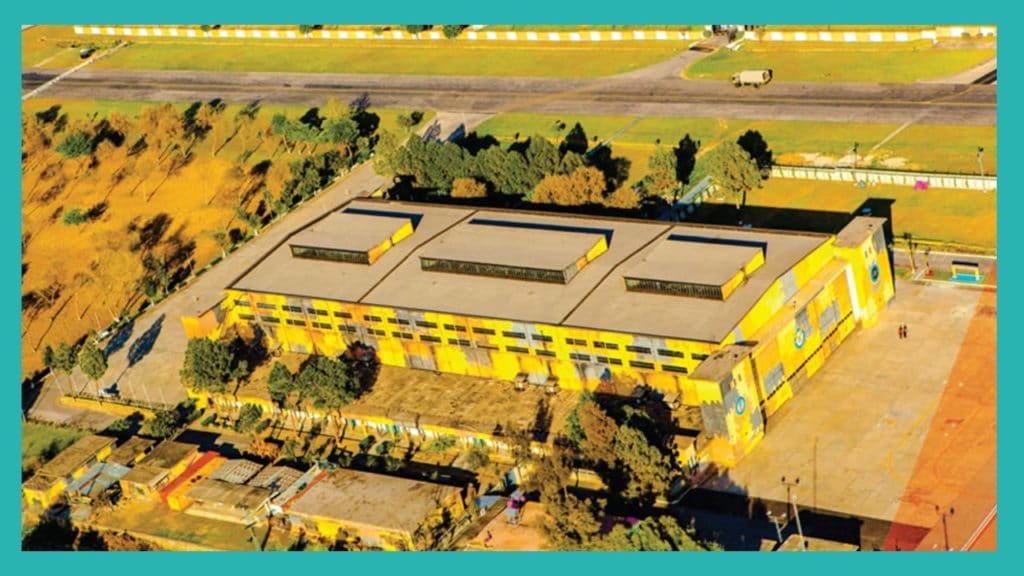
At IDEAS 2018, Quwa touched base with Pakistan Aeronautical Complex (PAC) about Project Azm. As per PAC, the program is going to be “time, cost, and resource-intensive.” This is not surprising, but PAC clearly stated that domestic turnkey manufacturing was a central objective.
In other words, the goal is to domestically manufacture the airframe, radar, avionics, air-to-air as well air-to-surface munitions, electronic warfare and electronic countermeasure systems, and turbofan engine. In effect, the PAF wants its next fighter to be entirely built in Pakistan.
PAC reiterated this scope and said that it was aiming for it, in part, to involve Pakistan’s private sector and “downstream industries” in fulfilling the PAF’s next-generation needs. Moreover, the PAF is also including a significant learning element wherein the country’s academia will undertake the necessary research in a number of areas, including flight control systems, aerodynamics, and aerostructures.
Thus, the outcome of Project Azm is to have a turnkey supply channel for the next-generation fighter. But the PAF was not clear in terms of the how or methodology of achieving that goal. In that sense, the PAF is going to rely on a principal, foreign partner – i.e., China. In other words, the hope is that through Project Azm, Pakistan will absorb transfer-of-technology and expertise to build the necessary industrial inputs.
Don't Stop Here. Unlock the Rest of this Analysis Immediately
To read the rest of this deep dive -- including the honest assessments and comparative analyses that Quwa Plus members rely on -- you need access.