Quwa Premium

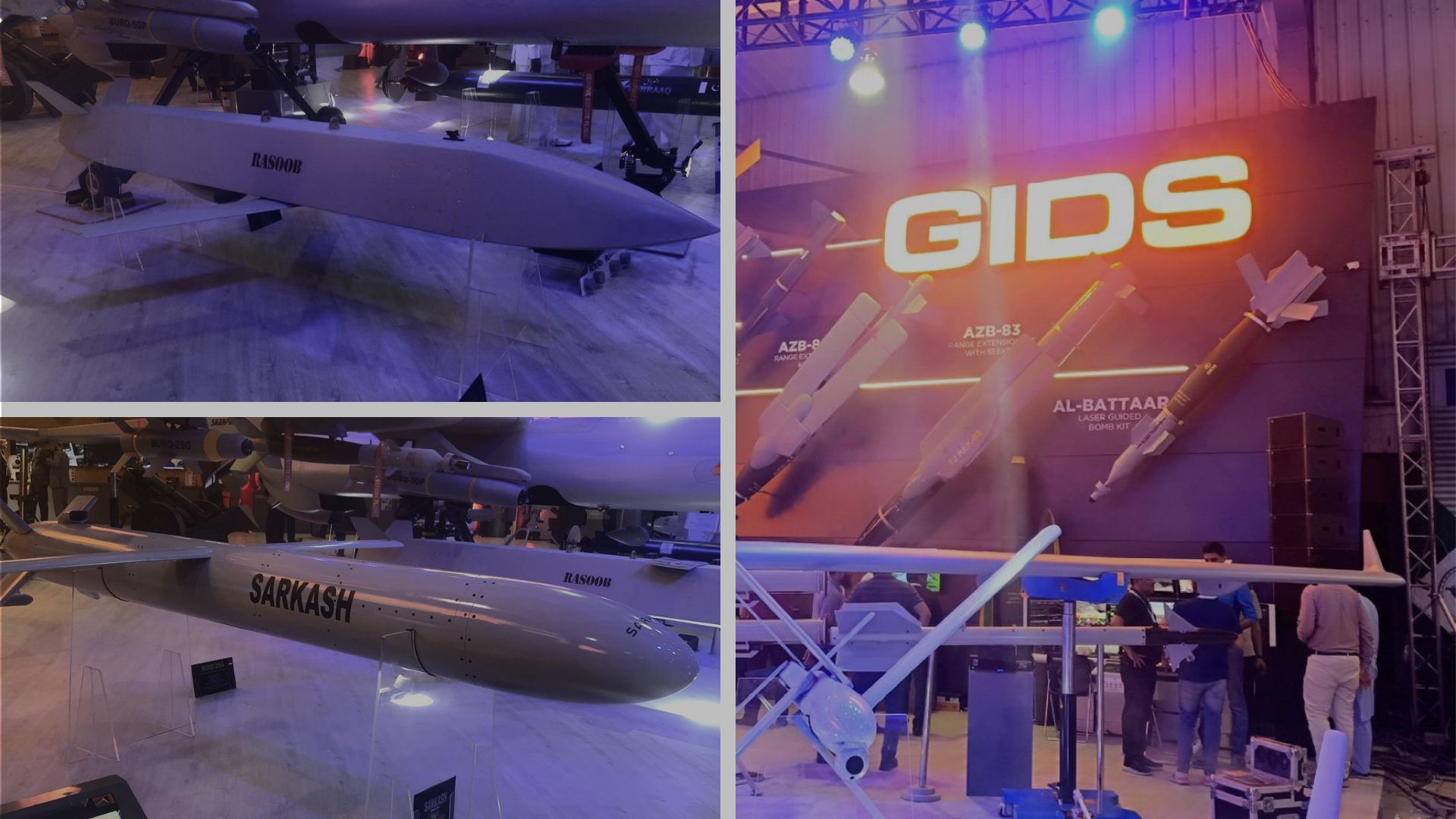
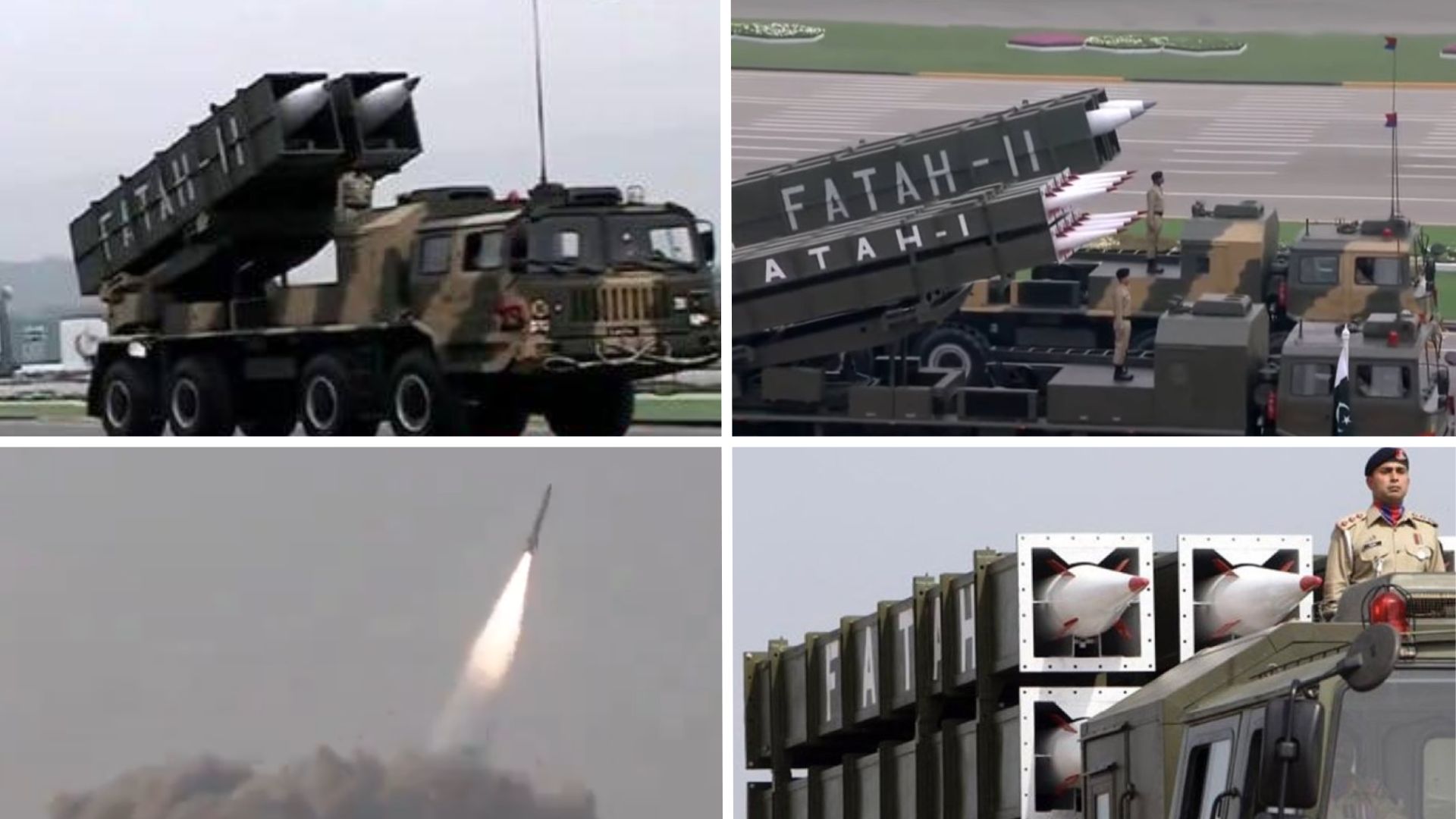
IDEAS 2018: Is Pakistan Prioritizing New Munitions Development? (Part 2) Plus

In part-two, we examine the countries that Pakistan could collaborate with to develop new air-to-air, air-to-surface, surface-to-air, and surface-to-surface munitions.

During the 2018 International Defence Exhibition and Seminar (IDEAS), Pakistan and UkrOboronProm of Ukraine agreed to collaborate on the development of “high-precision missiles of various classes.”

In a press statement, UkrOboronProm stated that both sides confirmed intentions to “start joint research and development in the coming months” – implying that the agreement was more than a memorandum-of-understanding (MoU), but a concrete program coming into effect soon.

Likewise, there are reports of Turkey’s Roketsan A.S. ‘assisting’ Pakistan with “air-to-air, air-to-ground and anti-tank … missile technology.” However, an official press statement regarding this has yet to be found.

In part-one, Quwa discussed why Pakistan is looking to pursue joint munitions development. Reasons for the move include integrating to platforms of choice, guaranteeing supplies, and accessing technology. In part-two, Quwa will discuss how Pakistan could achieve its aims, i.e., its likeliest development partners.

Partnerships are Normal

In the pursuit of indigenization, the willingness to partner with other countries may seem contrary to the goal. Indeed, such partnerships may result in dependencies on outside states, not least in terms of sharing production, not having access to all of the intellectual property, and other issues.

However, when managing key constraints such as economies-of-scale, limited research and development (R&D) funding, and limited scientific and technology development capacity, the oft-taken route for most countries is to collaborate with other states. And munitions are no exception.

MBDA is a prime example. It is a consortium between various British, French, German and Italian vendors. Likewise, India relies on partners, notably Israel and Russia, to help it develop its own munitions. In reality, there are only a handful of states that undertake such development independently – i.e., the US, Russia, and China. France may be capable of it, but it opted to work within MBDA.

How Pakistan will Benefit from Partnerships

Pakistan’s actual technology capacity is unclear, so it is not possible to precisely determine the partners it will need to achieve its development goals (which too are unclear). However, there are several facts that may, at least in the near-term offer some insight into where Pakistan could be looking.

First, Pakistan lacks a gas turbine industry to drive the manufacturing of air-breathing engines, which are necessary for the production of cruise missiles. The fact that it imported miniature turbojet engines from a variety of sources, including the Czech Republic, indicates a deficiency.

However, with subsonic cruise missiles a central facet to the respective stand-off strike elements of each service arm – i.e., Army, Navy, and Air Force – Pakistan will not be able to guarantee the supply of its own missiles unless it domestically manufactures miniature turbojet or turbofan engines.

Quwa Plus

Don't Stop Here. Unlock the Rest of this Analysis Immediately

To read the rest of this deep dive -- including the honest assessments and comparative analyses that Quwa Plus members rely on -- you need access.

Join Today

USD $29.99/Year