
Today, Pakistan (and, perhaps, the world) are focused on seeing how the International Monetary Fund (IMF) will charter the country’s next steps. The Pakistani Rupee (PKR) is in free-fall, prices are skyrocketing, and confidence – be it from the public, investors, and perhaps the government itself – is at rock-bottom.
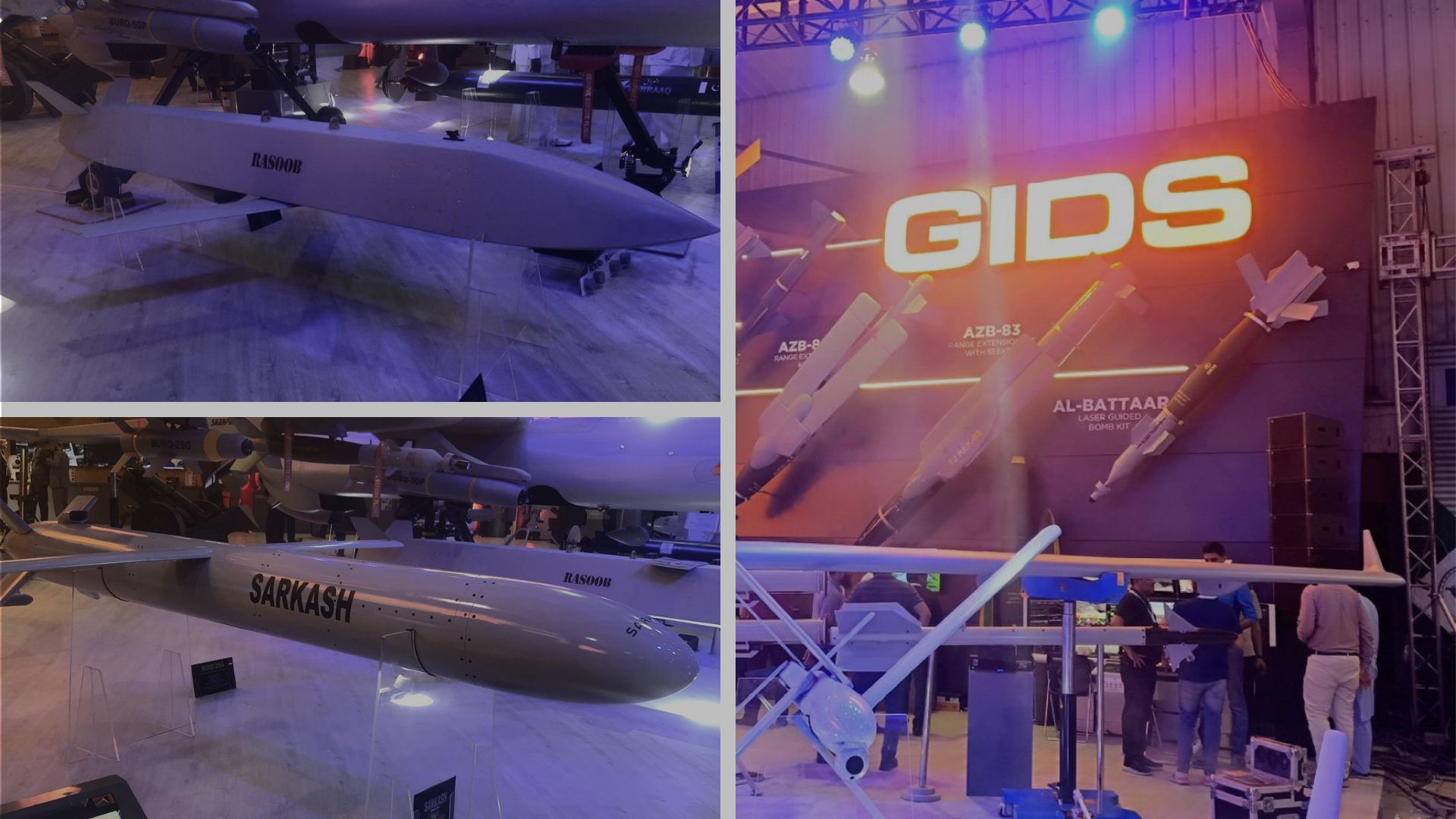
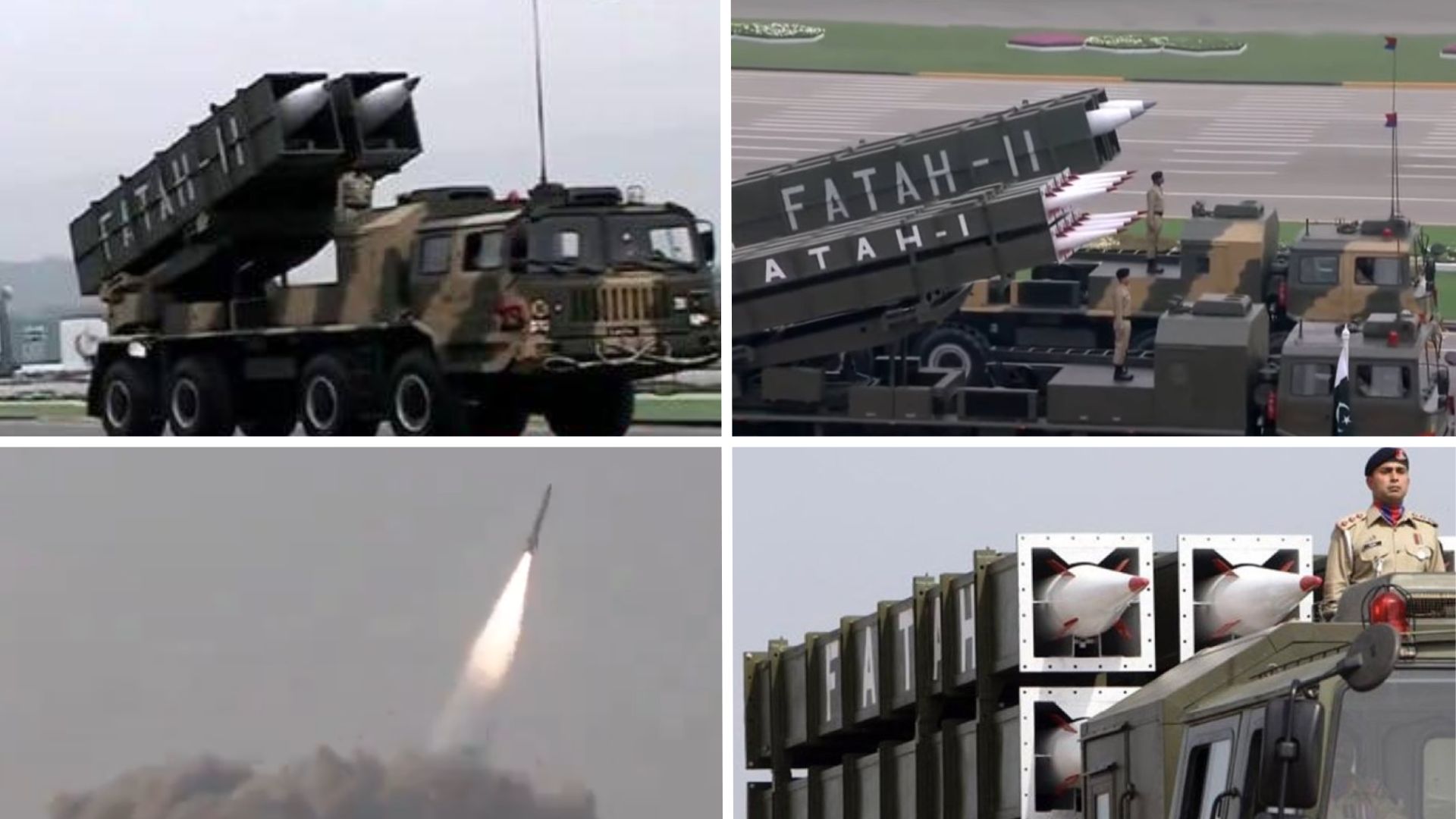
Pakistan’s anemic economy (relative to the country’s size, population, and potential) is a critical security vulnerability. It is not only an issue of lack of funding for procurement, but a weak (and imploding) PKR is also a limiter on vital defence imports across both in-house projects and off-the-shelf purchases.
Pakistan needs foreign or hard currency like USD to procure high-tech weapon systems; but weak exports force a greater supply of PKR on the market to fund said imports. However, without exports (which drive the market’s acquisition of PKR), the PKR will keep dropping in value.
Basically, as time moves forward, Pakistan’s ability to procure modern weapons will dwindle alongside its monetary and fiscal health. Thus, the conclusion of the analysis is that decades of poor political, economic, and governance decisions by both civilian and military leaders have critically wounded Pakistan’s defence stature. Where solutions necessitate “all-hands-on-deck” effort, Pakistan’s failures have been a result of “all-hands-on-deck” governance, neglect, undue interference in the economy, and a disdain for nurturing accountability culture. The following are three areas where these failures manifested the most:
Energy Dependence
To reach austerity, Pakistani governments (especially the PTI) targeted the import of consumer goods, like cars, appliances, and luxury items. While a strain on Pakistan’s outbound hard-currency flows, these have not been the biggest culprits. Yes, the policies that propped the PKR up did, in a way, provide a subsidy of sorts to those who consumed imports (e.g., Pakistan’s affluent and elite classes), but curbing them would not have decisively addressed Pakistan’s primary “expense” – i.e., energy.
Pakistan is a perennial energy importer. In 2021, for example, Pakistan reportedly imported $19.32 billion USD in various fuels. Fuels are, by far, the single largest point of import by a factor of over three times (or 3X) compared to the next largest import, electronic equipment (at $5.99 billion USD).
Quwa Plus
Go Beyond the Headlines on Pakistan’s Defence and Security.
Quwa Plus gives you deeper reporting, briefings, and analysis on Pakistan’s defence programs, foreign policy, national security, and regional strategy. Follow the developments that matter to professionals, analysts, and serious readers tracking Pakistan’s security landscape.