Quwa Premium

Analyzing the SIPRI Report on Pakistani Defence Procurement Plus

The Stockholm International Peace Research Institute (SIPRI) released its research on worldwide defence procurement activities from 2013 to 2017. Quwa analyzes SIPRI’s findings regarding the reduction in Pakistan’s defence imports, touching upon structural economic woes and apparent adjustment in national security priorities.

The Stockholm International Peace Research Institute (SIPRI) released its research on worldwide defence procurement activities from 2013 to 2017. SIPRI found that the Middle East had fuelled the bulk – i.e. 49% — of US armament exports, which accounted 34% of all arms sales in 2013-2017. The US was followed by Russia, France, Germany and China as the second, third, fourth and fifth leading exporters, respectively.

Pakistan was the ninth largest arms importer in that period, with China being its leading supplier (and with Pakistan being China’s top customer). SIPRI also found that Pakistan’s arms imports in 2013-2017 dropped compared to 2008-2012, despite a period of significant uptake in India’s procurement, including big-ticket imports from the US, France, Russia and Israel.

In terms of SIPRI’s technical observations, there are many caveats. First, the opaqueness of Pakistani arms procurement processes – especially in terms of tendering or releasing bids – makes it difficult to verify its specifics, such as procurement of munitions and subsystems. Second, some of SIPRI’s details are, at best, to be interpreted as tentative details, not firm contracts put into effect.

For example, SIPRI has listed the purchase of four MILGEM corvettes from Turkey in Pakistan’s trade register along with plans to procure 76mm guns from Leonardo and MTU Friedrichshafen diesel engines to arm and power the ship, respectively. However, the MILGEM’s main contractor – Savunma Teknolojileri Mühendislik (STM) – has yet to announce such an event.

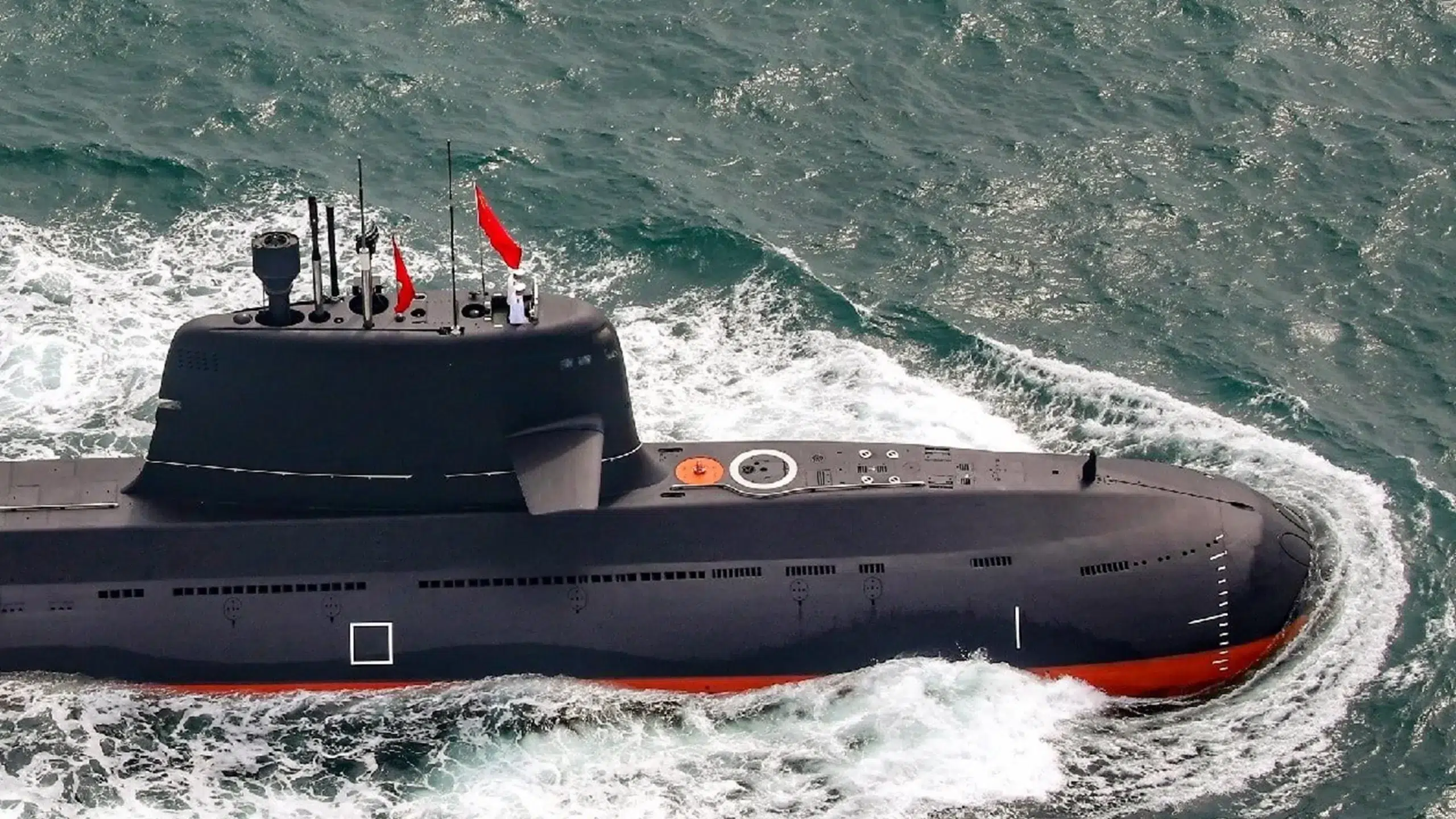
However, the details aside, SIPRI’s overarching solutions correspond with observable trends. Since 2013, Pakistan had finalized few big-ticket orders – among them the purchase of eight submarines from China and three airborne early warning and control (AEW&C) aircraft from Sweden – and relied on incremental batch orders from its domestic industry to resolve its near-term defence needs.

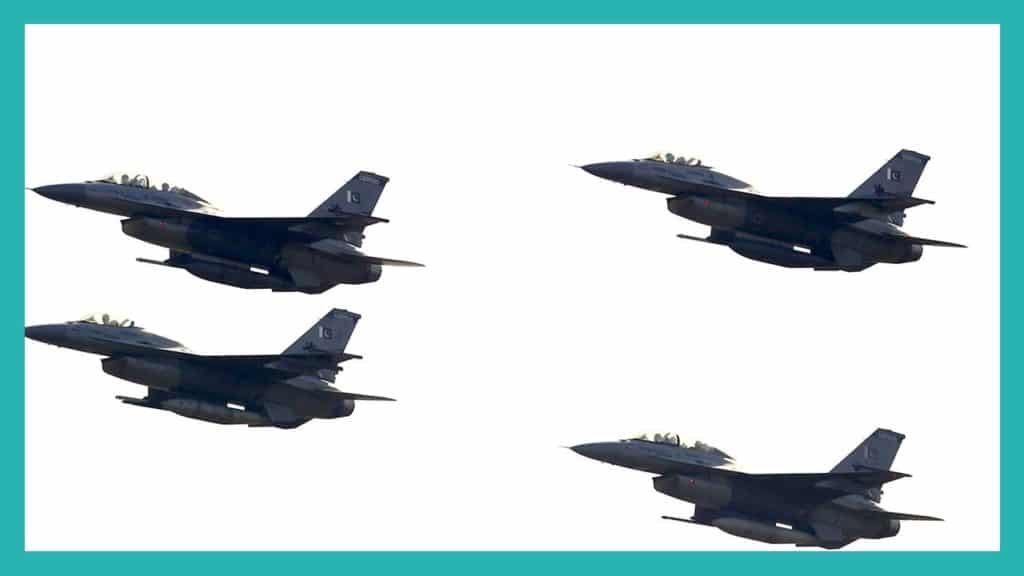
Periods of low expenditure followed by high-spending periods is not new to Pakistan. For example, there had been a dearth of big-ticket arms purchases in the 1990s, but these were followed by a spate of them – i.e. 18 Lockheed Martin F-16C/D Block-52+, Erieye AEW&C, F-22P frigates and others – in the 2000s.

However, worsening structural economic woes looming until at least 2019 and a broad shift in national security messaging – which had favoured ‘sub-conventional warfare’ with lesser focus on conventional threats – can, rightfully, be viewed as indicators for a consecutive ‘down period’ in big-ticket procurement.

Economic Outlook

Pakistan’s federal exchequer must have ample fiscal space to sustain big-ticket procurement. However, when the $43 billion US state budget of 2017-2018 drains 34.5% to repaying domestic and foreign debt (i.e. $11.14 billion), it is evident that expenses are straining.[1][2] Pakistan’s budget deficit also grew to $7.5 billion US, amounting to 2.3% of its gross domestic product (GDP).[3] The likely outcome of such pressure will be to curb major expenses, and it is likely that Pakistan’s big-ticket arms procurement plans will be at the forefront of this reality. In fact, incessant fiscal constraints were the primary cause of pulling Pakistan’s imports in the previous SIPRI period, there is little to suggest change for the next SIPRI period.

The impact of precious finances is several-fold. First, it certainly limits the armed forces’ options in terms of suppliers. The majority of big-ticket items from the US and Western Europe are high in cost, at least in terms of upfront procurement cost. Thus, Pakistan’s pool of options in the way of suppliers is limited, and this trend has been evident in the previous SIPRI period, with China securing two big-ticket programs: the Pakistan Navy submarine program and the Pakistan Army low-to-medium air defence system (HQ-16). Second, Pakistan is risk-laden; creditors will be hesitant to extend loans to Pakistan on account of possible repayment lapses and that will also confine Pakistan’s options, leaving it suppliers willing to extend loans.

Improvement in the fiscal exchequer primarily stems from the government increasing its collection from the total GDP (i.e. total economic production in Pakistan). This can occur through tax revenues, profit from state-owned enterprises (SOE) and interest-on-loans (issued by the government). However, achieving this is contingent on competent, long-term and foresight-driven public policymaking, with special attention to building high-value products (e.g. machinery, technology development and engineering services, mineral and raw materials processing, etc) and securing strong export markets for those products.

Quwa Plus

Don't Stop Here. Unlock the Rest of this Analysis Immediately

To read the rest of this deep dive -- including the honest assessments and comparative analyses that Quwa Plus members rely on -- you need access.

Join Today

USD $29.99/Year