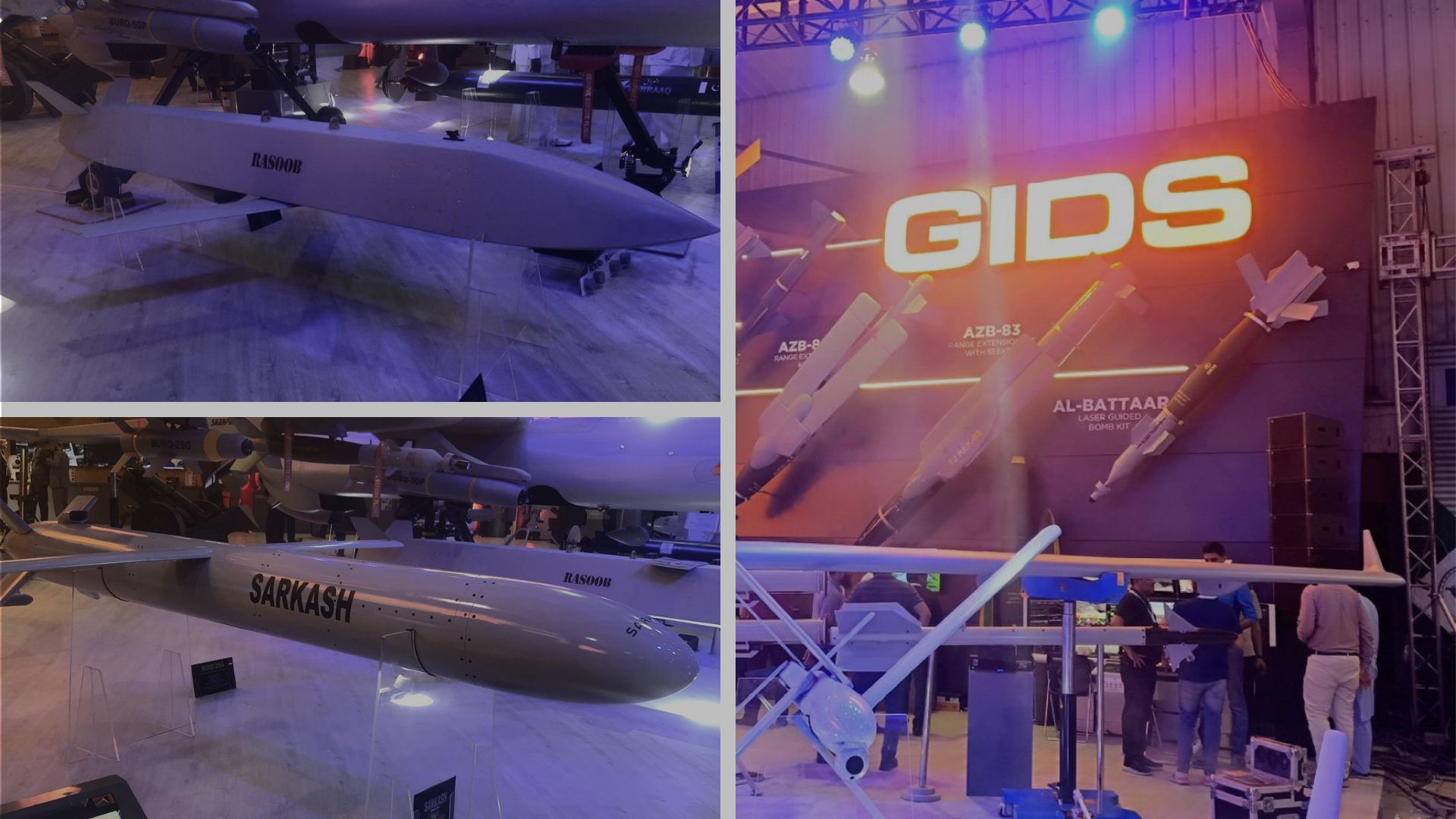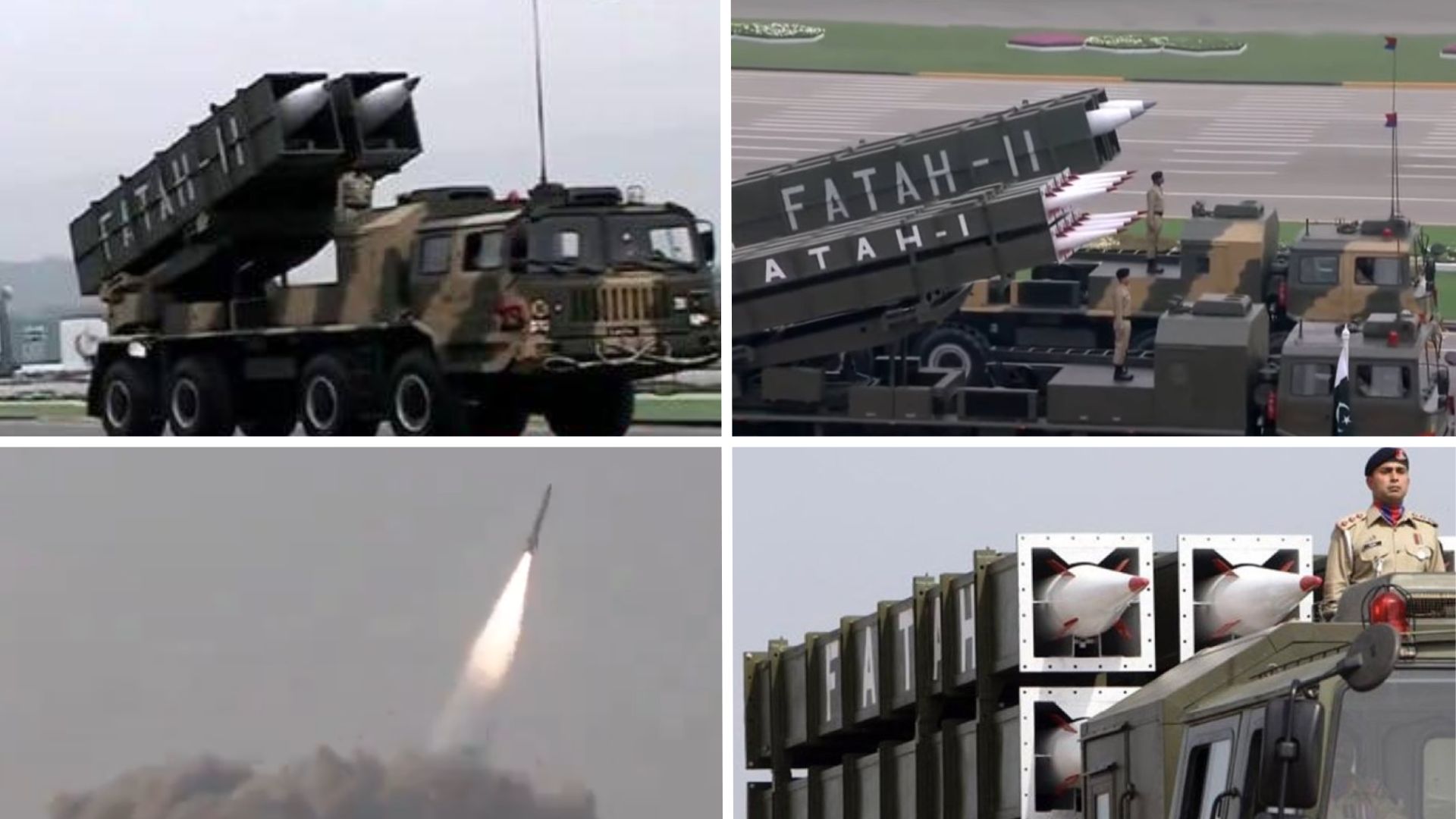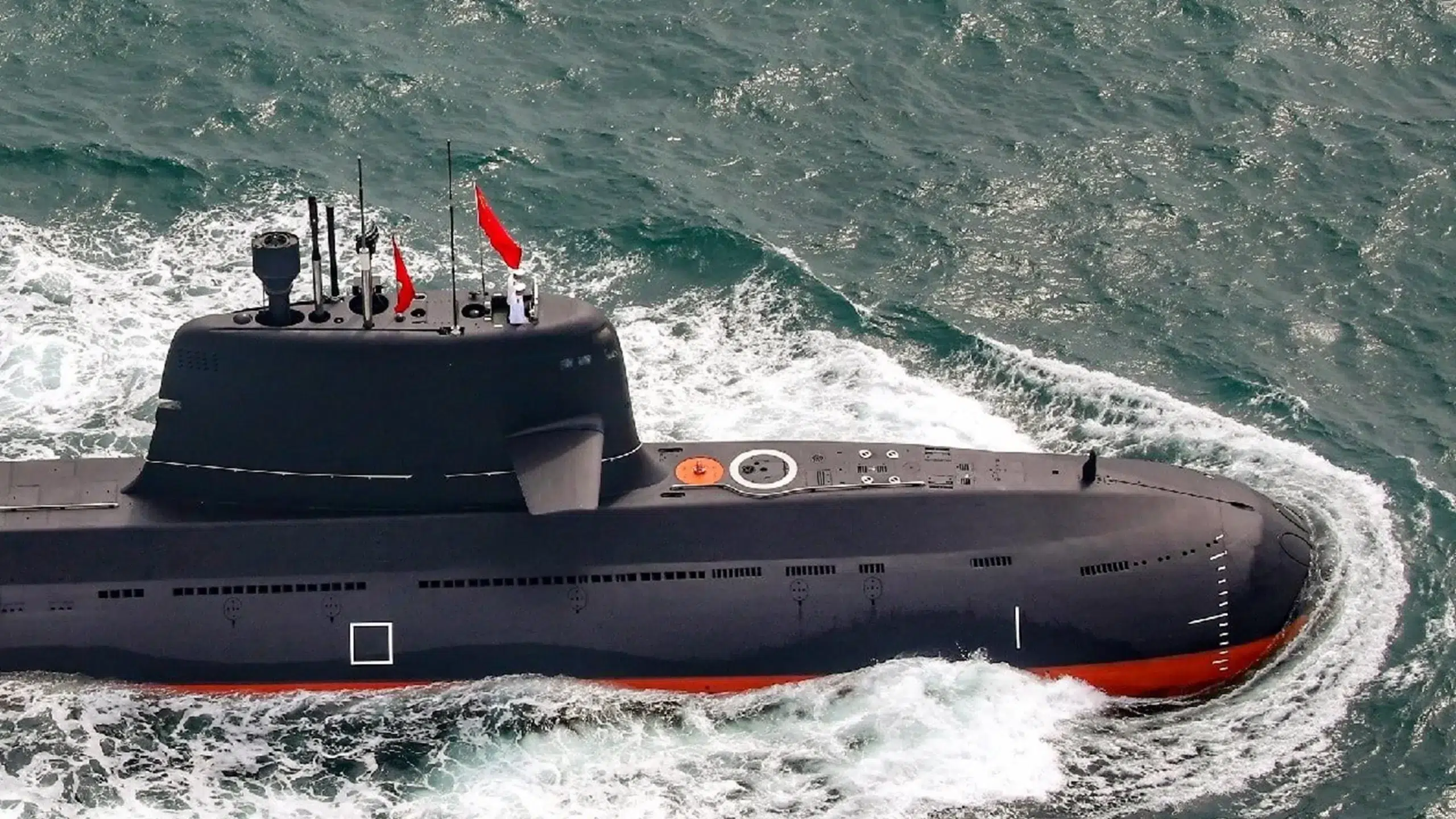

Initiated in 2015, the Pakistan Navy’s (PN) wide-reaching fleet modernization and expansion efforts are now fully underway. The PN has begun to (or will) induct new frigates, corvettes, submarines, jet-powered maritime patrol aircraft, and additional helicopters as well as drones.
However, the PN’s vision to build a 50-strong surface fleet (inclusive of 20 “major surface vessels”) offers the most interesting glimpse of this service arm’s evolution.
One can expect Pakistan to double-down on anti-access and area-denial (A2/AD) projects, like submarines (and it has), but growing the surface fleet to over 20 ‘large’ warships was an intriguing turn. It indicates that the PN is more focused than ever on securing Pakistan’s sea-lanes with an overt presence, as opposed to strictly secretive or less observable elements, like submarines and aircraft.
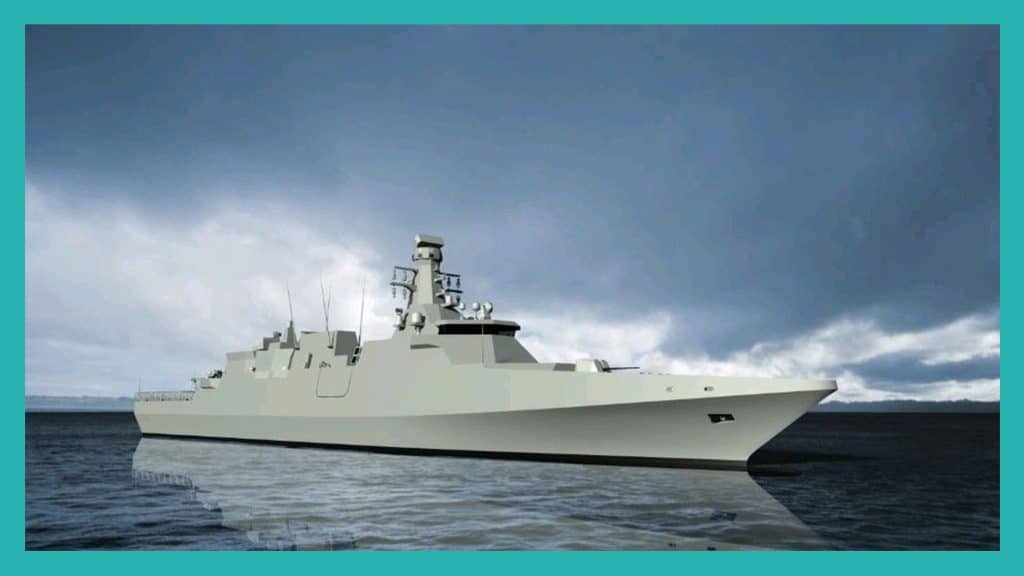
One of the keystone ingredients of the PN’s surface fleet growth plans is the Jinnah-Class Frigate (JCF), an original warship that Pakistan is designing in collaboration with Turkey. Based on its specifications and its expected capabilities, the JCF is the blueprint of its future, workhorse warship.
Background
The JCF is a key part of the PN MILGEM program. Under this program, the PN ordered four new customized multi-mission corvettes based on the Turkish Ada design. However, it also signed onto a joint-project with the principal contractor, ASFAT Inc. (Military Factor and Shipyard Management), to design, develop, and build an original frigate tailored for the PN’s requirements.
This frigate is the JCF. PN officials have only recently begun to discuss the JCF in detail.[1] It seems that the JCF is an elaborate project. It involves the transfer of intellectual property (IP) of the JCF to Pakistan while also supporting an upgrade of KSEW to support the project.
The original design expertise and IP are crucial pieces. Traditionally, when the PN ordered ships based on ‘transfer-of-technology’ (ToT) agreements, the OEM would supply kits-of-materiel. In most situations, the OEM likely determined the selection of critical inputs, such as steel and propulsion.
However, with the JCF, Pakistan might gain the ability to control more of the cost by choosing the critical input suppliers. So, in theory, it could source the steel through a competitive bidding process, for example. By controlling the design/IP, the PN could potentially even open the tender to domestic suppliers, thereby incentivizing the private sector to develop indigenous alternatives.
The JCF could also equip the PN’s Naval Research and Development Institute (NRDI) to undertake design and development work of its own in the future. In fact, one of the apparent selling points of the JCF project was that ASFAT would help Pakistan design the frigate in Pakistan. To succeed, the NRDI would require a range of new skillsets and infrastructure, especially for design testing and qualification purposes.
This expertise could translate into a diverse range of projects in the future, including (among others) new frigates, offshore patrol vessels (OPV), fast attack crafts (FAC), and/or unmanned surface vessels (USV).
Don't Stop Here. Unlock the Rest of this Analysis Immediately
To read the rest of this deep dive -- including the honest assessments and comparative analyses that Quwa Plus members rely on -- you need access.