The bulk of Pakistan’s military modernization efforts from 2020 to 2025 were centered on the lessons it took away from its skirmish with India in 2019. The “Balakot Incident” began with an Indian Air Force (IAF) strike at stand-off range from within Indian airspace, and concluded via a large-scale engagement (LFE) by the Pakistan Air Force (PAF) the following day.
Pakistan’s priorities centered on building the capacity to intercept a future IAF-led stand-off range strike, undertake a LFE involving large numbers of network fighter aircraft and special mission platforms, and carry out retaliatory strikes at stand-off range from both air and land.
On May 7th, Pakistan had largely anticipated a conflict similar to the Balakot Incident, albeit at a potentially larger scale. One early change was that the PAF was deployed to engage the IAF partway into the initial strike.
It is possible that Pakistan’s rationale was that if it inflicts losses on India (e.g., by shooting down multiple IAF aircraft), it would dissuade India from any further action by establishing that any activity would be costly. If necessary, Pakistan would later take on an offensive strike against (as discussed in a podcast episode) a predefined ‘library’ or key targets, such as previously identified munition depots or radar sites, for example.
However, as it became evident after the initial air engagement, India’s perception of ‘cost’ and its desired ‘benefit’ were substantially different from what Pakistan had projected. Following an apparent setback on May 7th (i.e., when the PAF demonstrated it could engage Indian aircraft while the latter were still within Indian airspace), India regrouped and changed how it imposed its national security interests on Pakistan.
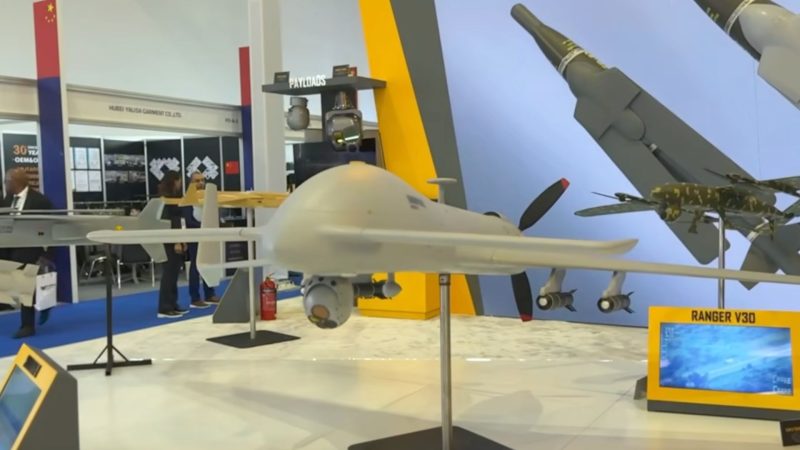
There is certainly a technical or materiel dimension to India’s pivot, i.e., it effectively used both loitering munitions and the BrahMos supersonic-cruising missile (SSCM) to create a presence over Pakistan’s urban areas and strike key PAF installations, respectively. However, the more pressing concern for Pakistan was whether its doctrine – both prior to and during the conflict – deterred India from either instigating or escalating. Evidently, the doctrine failed.
India Can Sidestep the Nuclear Deterrence Threat
Since inducting nuclear weapons, Pakistan has been caught in a cat-and-mouse-type chase of maintaining its deterrence posture.
In the beginning, Pakistan’s sense was that the nuclear weapons would be sufficient for both sides to contain a conventional engagement to disputed territory and avoid escalation. Should a conflict escalate, the risk of a nuclear exchange would increase, with Pakistan, in particular, reserving the right to first-use if its territorial integrity is compromised.
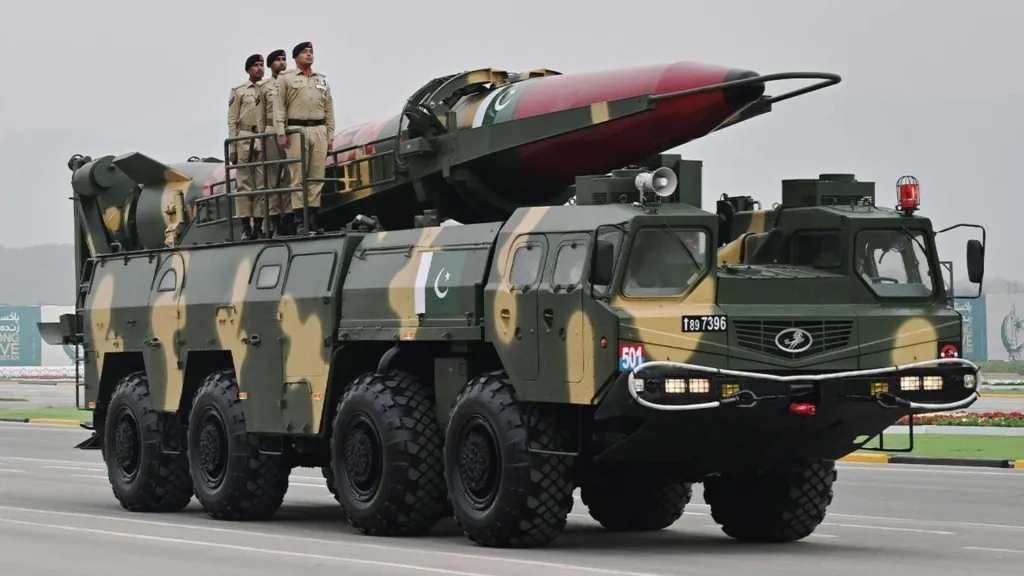
However, several key Indian moves put Pakistan’s nuclear deterrence posture under stress. The first of these was “Cold Start,” India’s apparent initiative to mobilize a combined land and air formation to rapidly enter and capture Pakistani territory before the latter could activate its nuclear weapons. In response, Pakistan inducted ‘tactical nuclear weapons’ (TNW) with very short-range applications, like the Nasr ballistic missile. TNWs would allow Pakistan to deploy nuclear weapons with its artillery formations and directly target integrated Indian units.
Don't Stop Here. Unlock the Rest of this Analysis Immediately
To read the rest of this deep dive -- including the honest assessments and comparative analyses that Quwa Plus members rely on -- you need access.