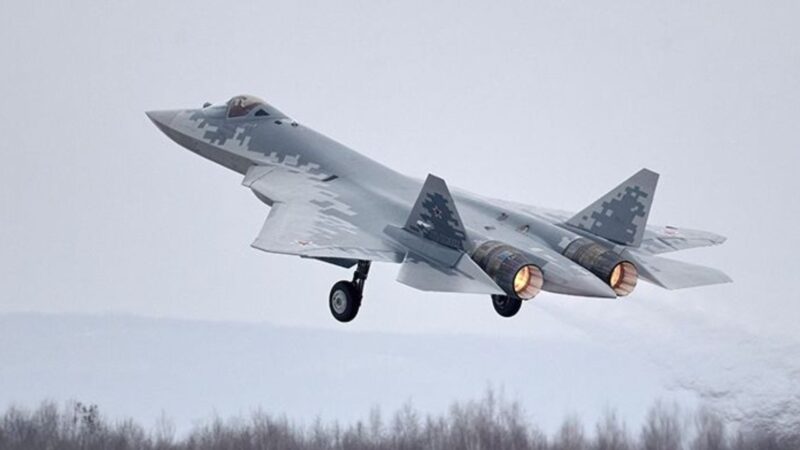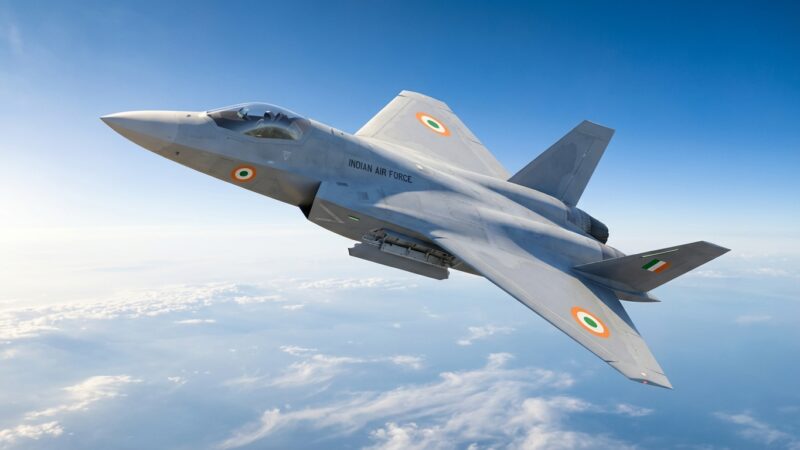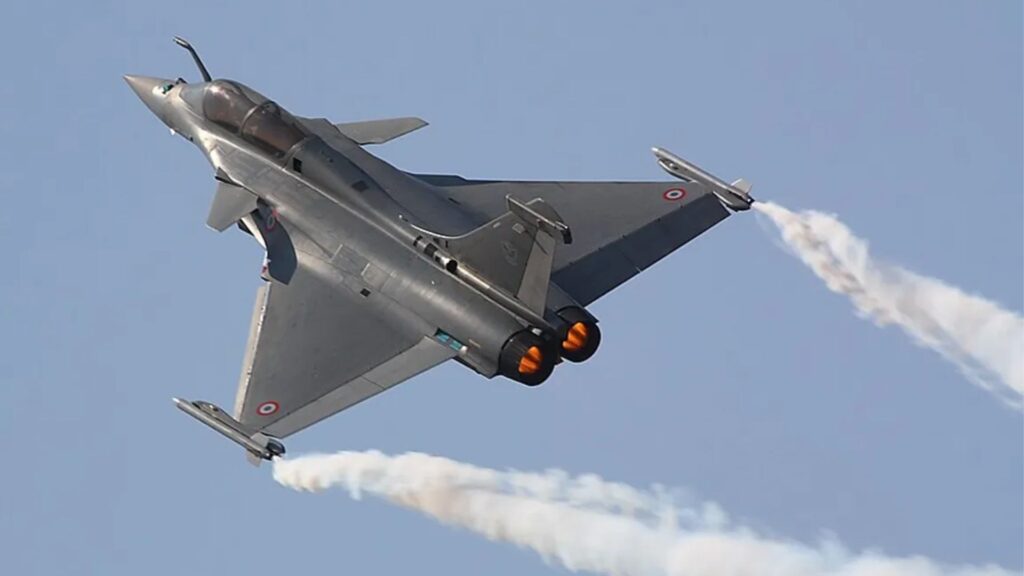
The Indian Air Force (IAF) has finalized the Request for Proposal (RFP) for 114 Dassault Rafale F4s (and potentially F5s), and the document is in “the final stages of bureaucratic processing” ahead of Prime Minister Narendra Modi and IAF Chief AP Singh’s visit to France in June 2026.1
Dassault CEO Éric Trappier aims to sign the contract within 2026, and Indian companies are already undergoing training at Dassault Aviation’s facilities in France, with plans for a second assembly line at Hyderabad for Rafale, if the order is placed.23
The deal – estimated at $36–40 billion – would be the largest single Rafale order in history, comprising 22 fly-away aircraft from France and 92 assembled domestically, though some outlets report a split of 18 and 96, suggesting the ratio is still under negotiation.4 Dassault is already ramping toward four aircraft per month to service a backlog of over 220 orders.5
However, while the deal stems from an urgent IAF requirement, the program is still closer to the start of India’s procurement process than its conclusion, and unless the IAF takes a proactive stance in supporting it through that process, the negotiations risk getting ensnared in delays over technology transfer, offsets, and indigenization.
India’s defence procurement follows a multi-stage bureaucratic process, and the RFP – now finalized – sits at approximately Step 4 of a 12-step sequence that must run its full course before a contract can be signed.8
The Services Qualitative Requirements (SQR) have been defined, the Statement of Case (SoC) was submitted to the Ministry of Defence (MoD) in September 2025, and the Defence Acquisition Council (DAC), chaired by Defence Minister Rajnath Singh, approved the Acceptance of Necessity (AoN) on 12 February 2026 – valid for one year under the ‘Buy and Make (Indian)’ acquisition category.67
What the RFP does is formally invite Dassault to submit sealed technical and commercial proposals, after which the Technical Evaluation Committee (TEC) reviews the technical bid, Field Evaluation Trials (FET) may follow (though these could be abbreviated given the Rafale is already in IAF service), and a staff evaluation is completed.
The difficult negotiations begin after all of that – i.e., at the Contract Negotiation Committee (CNC) and Price Negotiation Committee (PNC) stage, where both sides will hash out source code access, Interface Control Document (ICD) terms, indigenization schedules, offsets, and pricing.8
CCS (Cabinet Committee on Security) approval and CFA (Competent Financial Authority) clearance follow, and only then does the contract get signed – a sequence that, even under smooth conditions, typically requires 12–18 months from RFP issuance for deals of this scale.
Quwa Pro
See Where Emerging Defence Markets are Moving
Quwa Pro goes beyond tracking programs and equipment by explaining the policies, incentives, industry dynamics, and competitive pressures shaping South Asia's defence markets.
Subscribe Already a subscriber?Sign in