Turkish engine vendor Tümosan was forced to cancel its collaboration with Austria’s AVL List GmbH following the Austrian Parliament’s decision to impose an arms embargo on Turkey in November 2016.
In its official statement (available on KAP or Turkey’s Public Disclosure Platform), Tümosan stated that following the Austrian Parliament’s decision, the Austrian government “insisted on export licenses with conditions that would interfere with the internal affairs of our country and failed to fulfill its commitments due to the failure to accept the export licenses issued by the Undersecretariat for Defence Industries.”
Go deeper into the defence market.
Research on procurement, emerging technology and the industry behind the news.
Tümosan added that it will continue with the program and utilize “domestic resources as much as possible and shares (sic) its proposals with SSM [Undersecretariat for Defence Industries].”
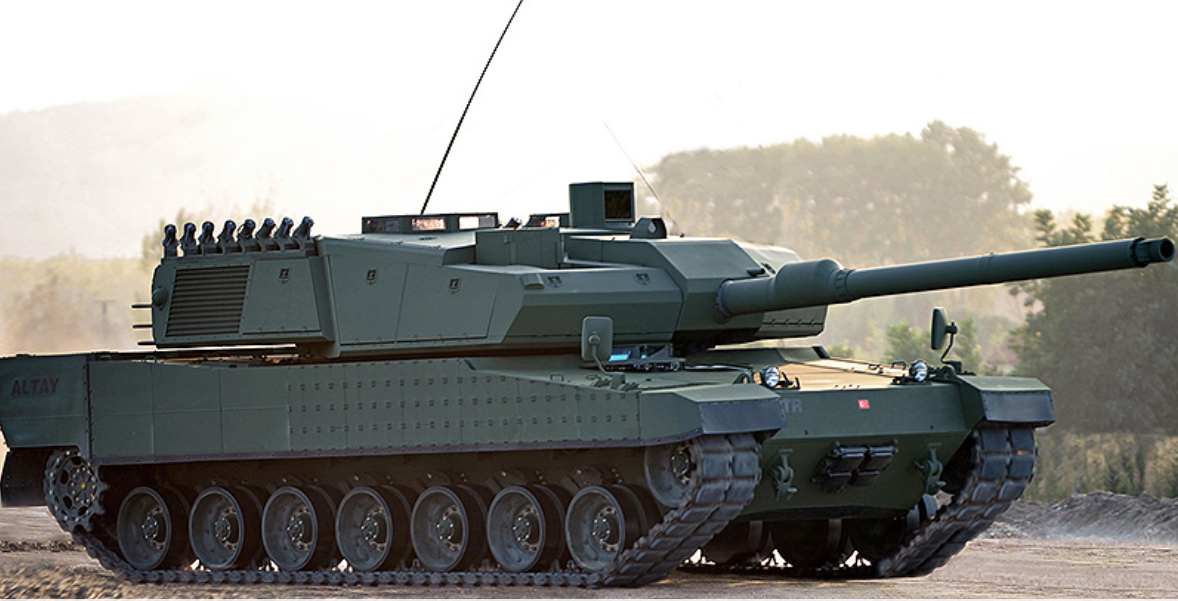
In March 2015, Tümosan signed a contract with AVL List GmbH for the latter’s technical assistance in the design and development of a diesel engine for the Altay MBT, which was commissioned under a USD $206 million program by the Undersecretariat for Defence Industries (SSM). Tümosan was to develop the transmission as well as other critical components, such as the diesel pump, injector, and electronic control unit. The engine was to be developed in 54 months (Defense News).
Notes & Comments:
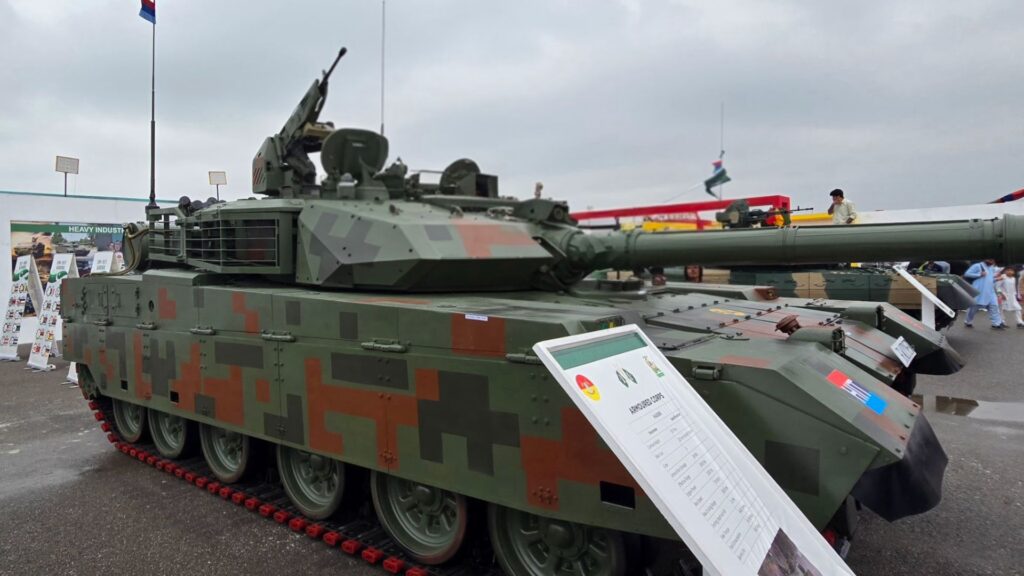
The 65-ton Altay main battle tank (MBT) is currently powered by a 1,500 hp German MTU diesel engine. While Turkey’s domestic engine efforts have run into obstacles, the Turkish Army’s initial Altay MBTs will the MTU engine. However, the Tümosan engine would have been essential for exporting the Altay.
It is worth noting that in 2016, Turkey opted to strengthen its defence ties with Ukraine, especially with Antonov with whom Turkey is to co-develop and co-produce An-158 and An-178 aircraft. It is possible that Turkey (or Tümosan) could consider engaging with the Malyshev Plant for technical support.
Alternatively, Turkey could also collaborate with British defence vendors, which have been viewed (due to frequent high-level meetings in Turkey) as development partners in Turkey’s aviation programs, most notably its next-generation fighter, the TFX.