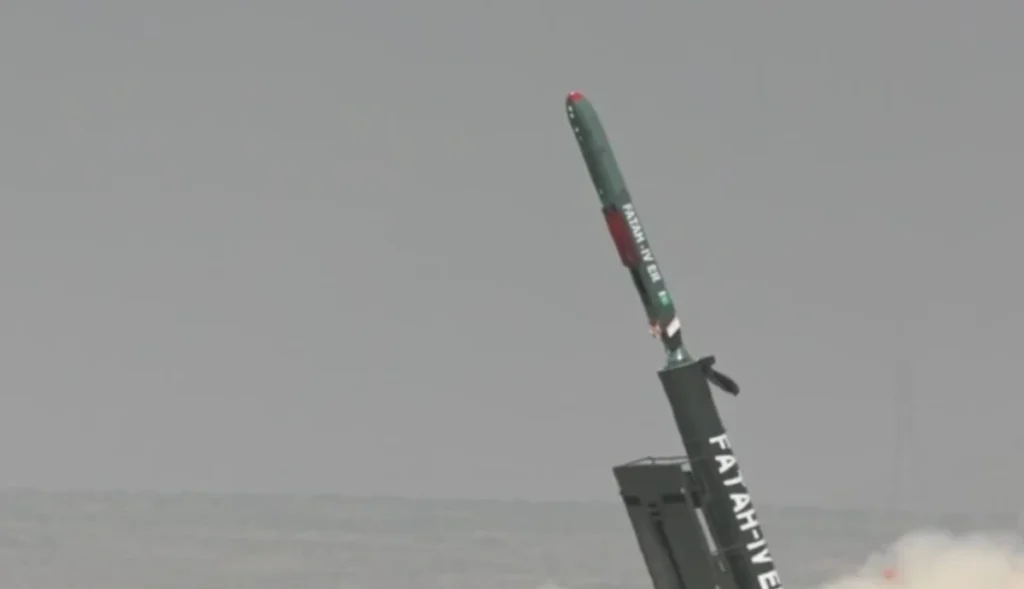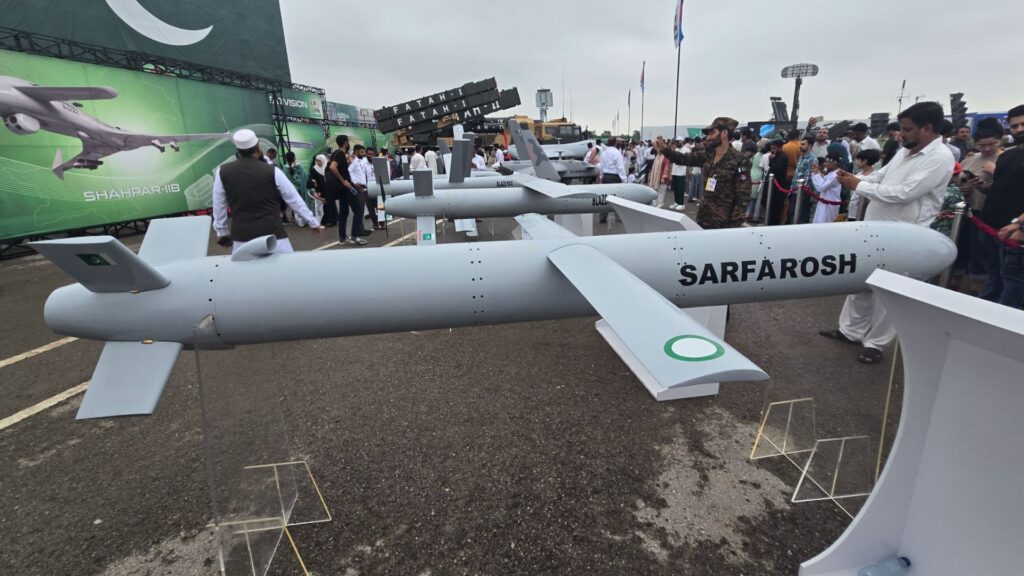
In a section of its 2015-2016 yearbook, the Pakistan Ministry of Defence Production (MoDP) outlined the development and/or procurement of “extended range guided MLRS [multiple launch rocket systems].” The previous year also listed in the continued production and development of MLRS technology.
Notes & Comments:
Go deeper into the defence market.
Research on procurement, emerging technology and the industry behind the news.
MLRS comprise of two main elements: rocket munitions and a self-propelled platform to carry and launch those rockets. Generally, rocket artillery provides several advantages over howitzer shells, such as longer range and heavier warheads. Many armies relied on the combination of mobility and numbers to deploy MLRS as fast-moving saturation attack assets.
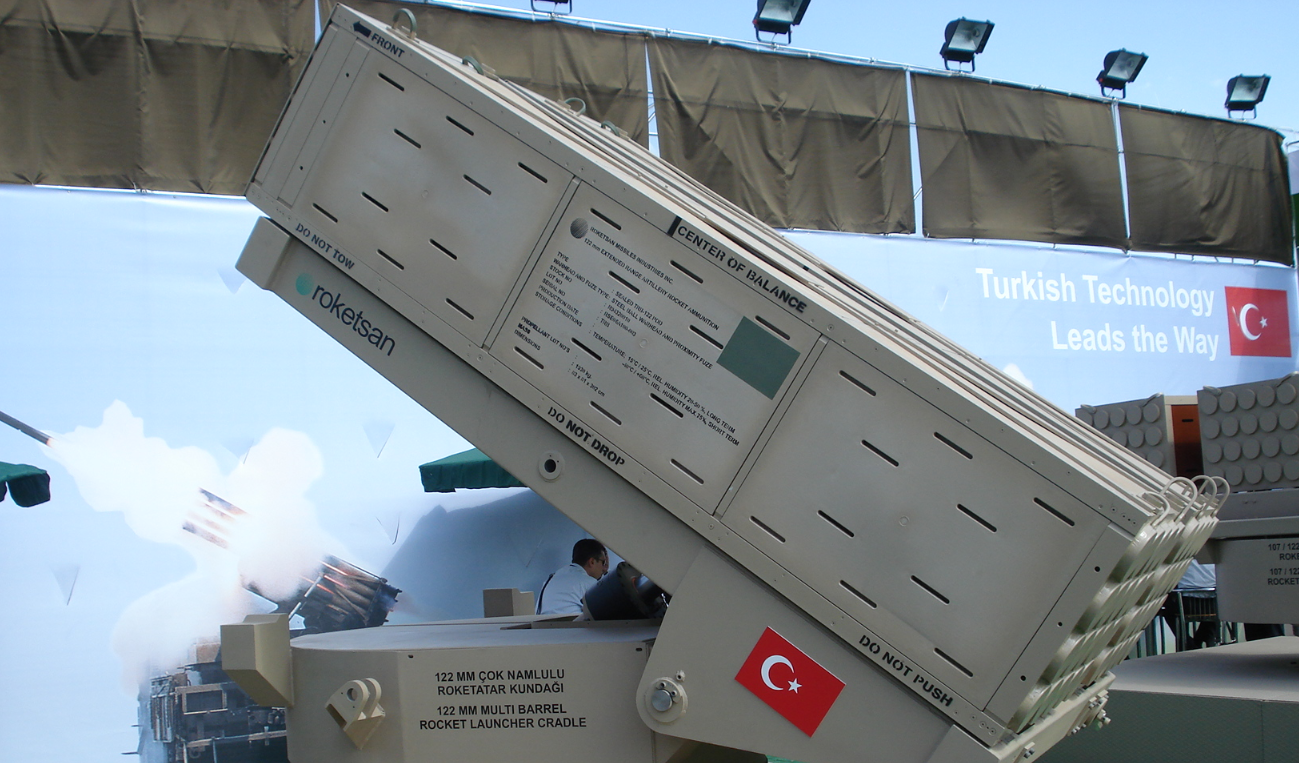
Pakistan’s mainstay MLRS is the Kahuta Research Laboratories KRL-122. In recent years, the system was fit with the Pakistan Ordnance Factories (POF) Yarmuk 122 mm rocket. As per POF, the Yarmuk has a range of 20 km, though Global Industrial & Defence Solutions (GIDS) lists an extended-range 122 mm rocket with a range of 45 km. This is at-par with most overseas solutions, such as the Roketsan TR-122.
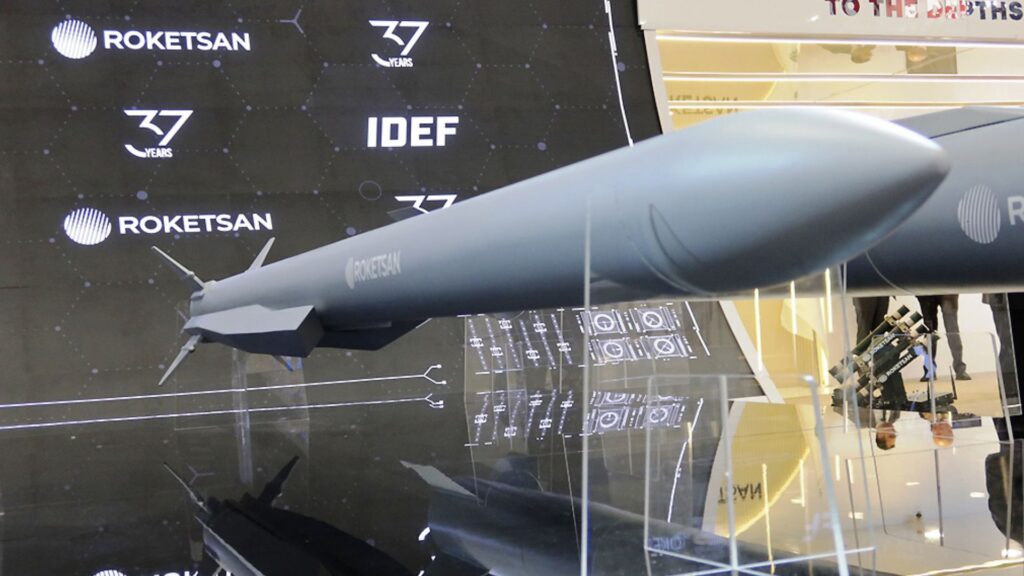
Based on the MoDP’s disclosure, Pakistan will be working to fit the Yarmuk-series of rockets with guidance systems and improve its accuracy. Currently, the Yarmuk has an accuracy of at least 80 m circular error probable (CEP), which is variable based on the launch elevation. On the other hand, the satellite-guided (INS/GPS) variant of the Roketsan TR-122 – i.e. TRG-122 – has a CEP of less than 30 m CEP.
Pakistan could emulate this model, though it will require modifying the Yarmuk to utilize a satellite-aided INS guidance suite and electro-mechanically actuated aerodynamic surfaces to achieve higher accuracy.
Roketsan marketed the TRG-122 to Pakistan in November at IDEAS, Pakistan’s biennial defence exhibition. Roketsan also revealed that Pakistan was also looking at 300 mm guided rockets (for which the Turkish company is offered its TRG-300). China’s NORINCO will likely be a leading contender for Pakistan’s rocket artillery requirements as well. According to Army Recognition, the NORINCO SR5 comprises of the 122 mm INS/GPS-guided BRE1, which has a range and accuracy of 40 km and 25 m CEP, respectively.
The pursuit of guided MLRS could also be a sign of the Pakistan Army increasing its reliance on network-enabled warfare. Efficient use of guided MLRS requires the artillery Fire Direction Centre (FDC) to have precise target location data, which could be had using forward observers or even intelligence, surveillance and reconnaissance (ISR)-enabled assets, such as helicopters, drones and armoured vehicles.