–
–
The U.S.-Israeli strikes on Iran – which began on 28 February 2026 – have effectively shut down the Strait of Hormuz, causing energy insecurity for the majority of Asia, notably China, India, South Korea, and Japan.
However, this current conflict could pose a strategic challenge to China, which has arguably been losing key sources of its fuel supply chain since the start of 2026. The first of these was Venezuela, which was severed following the U.S. capture of the country’s then-president, Nicolás Maduro. The second was Iran itself through the strikes, and the third is Hormuz.
It is unclear whether this sequence of events is a coordinated fuel supply chain attack strategy or a coincidence, but the structural effect on China’s energy security is functionally the same. One could see a scenario in which the U.S. perceives oil and gas as its lever to counter China’s dominance in critical minerals, but it may also be seen as a practical security tool (vis-à-vis Taiwan).
Instability in the Strait of Hormuz
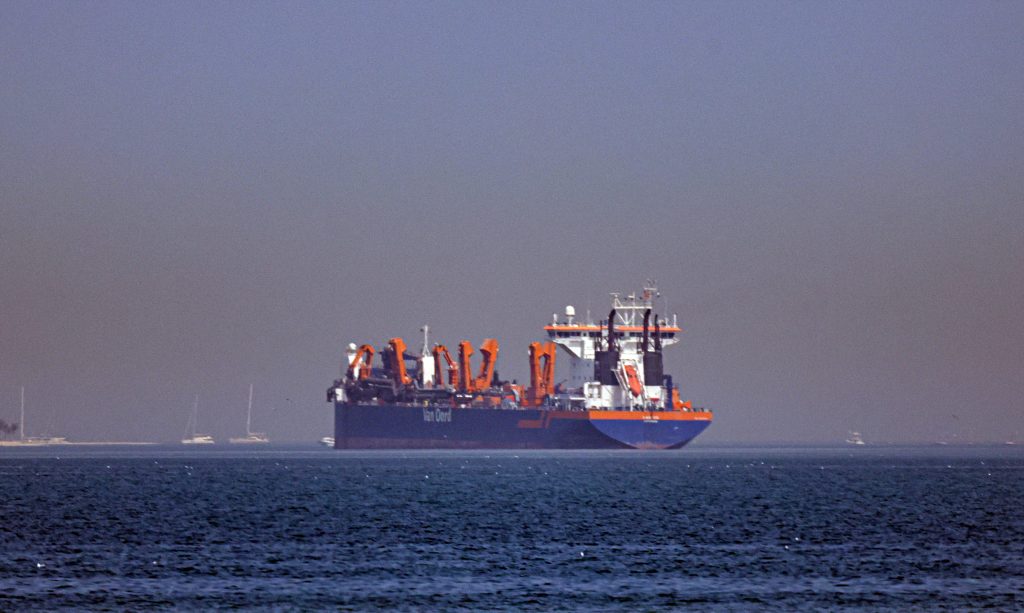
China receives more oil through the Strait of Hormuz than any other country – roughly 37.7% of all crude transiting the waterway. Approximately 45–50% of China’s total crude imports pass through it. So, when tanker traffic collapsed by 83% within 24 hours of the strikes, the implications for Beijing were immediate.
Quwa Plus
Go Beyond the Headlines on Pakistan’s Defence and Security.
Quwa Plus gives you deeper reporting, briefings, and analysis on Pakistan’s defence programs, foreign policy, national security, and regional strategy. Follow the developments that matter to professionals, analysts, and serious readers tracking Pakistan’s security landscape.
Join ($29.99/Year) Already a subscriber?Sign in