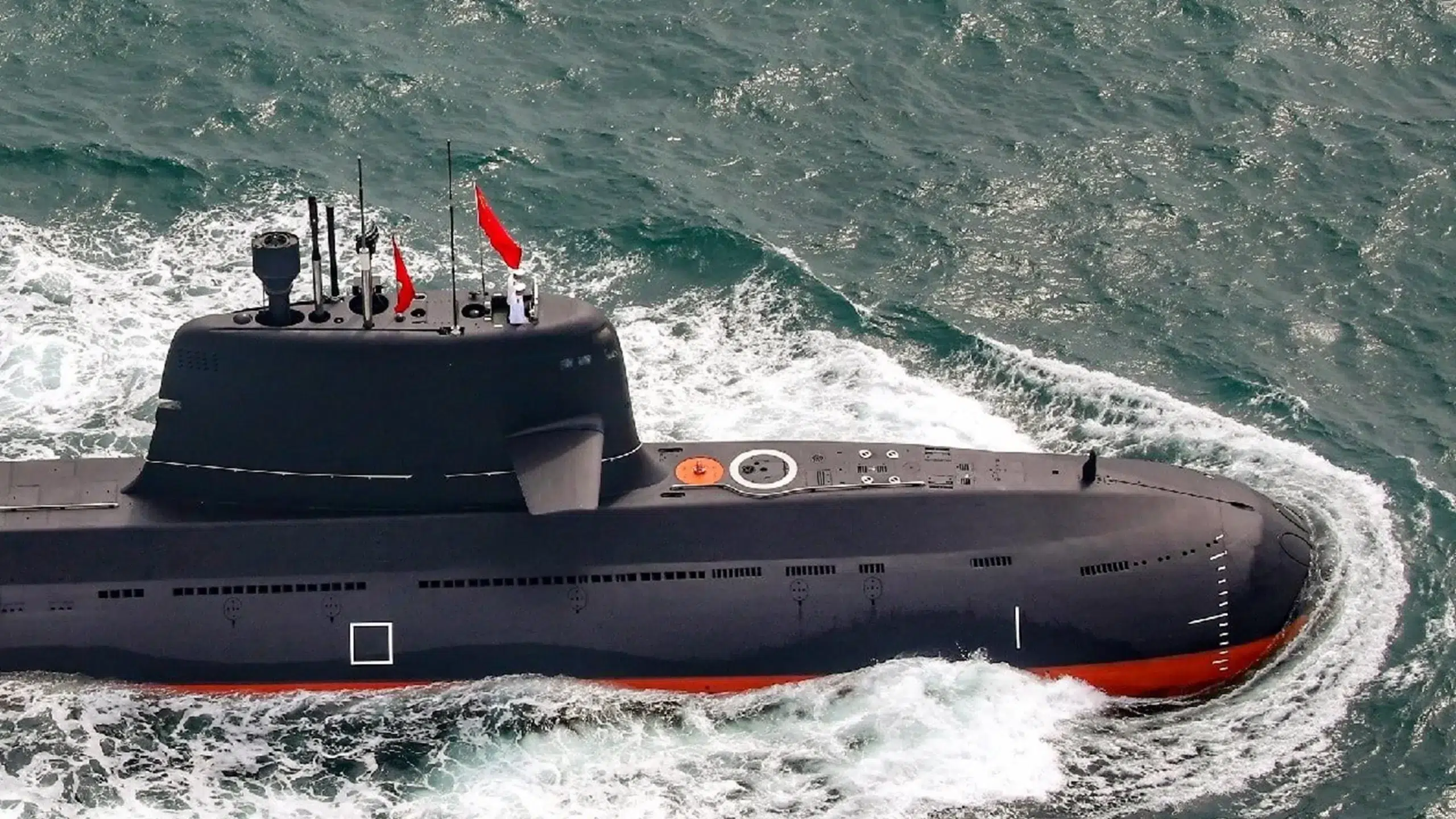
One of the marque aspects of Pakistan’s defence modernization efforts is its widespread drive to improve its ground-based and sea-based air defence environments. Since Pakistan started this process in the early 2010s, it has improved its situational awareness, targeting, and surface-to-air missile (SAM) capabilities.
The bulk of Pakistan’s SAM acquisitions are from China. However, when it comes to radars and specialized naval SAMs, Pakistan is sourcing from a more diverse supplier base.
Land
The Pakistan Air Force (PAF) had set the basis for the country’s integrated air defence ground environment system (ADGES) in 1975 by forming Pakistan Air Defence Command. In 1976, the PAF initiated “Project Crystal,” under which it added six AN/TPS-43 radars and 45 Mobile Pulse Doppler Radar (MPDR) systems.
The AN/TPS-43 had provided the long-range, high-altitude coverage, while the MPDRs formed the bulk of the short-range, low-altitude coverages. Under this set up, the PAF also leveraged a real-time data-link to connect its sensor feeds to monitors across the PAF’s three regional commands.
Overall, Project Crystal formed the foundation of the PAF’s C4ISR set-up, which would develop further in the following several decades. In the early 2000s, the PAF added its first cutting-edge system in the form of six Lockheed Martin AN/TPS-77s, a long-range, high-altitude system using active electronically scanned array (AESA) radar technology. The PAF also acquired the RAC-3D, a short-range fire control radar system alongside its Spada-2000 Plus short-to-medium-range SAMs. In fact, up to this point, it was the PAF which had managed the majority of SAMs beyond the short-range air defence (SHORAD) layer.
Quwa Plus
Go Beyond the Headlines on Pakistan’s Defence and Security.
Quwa Plus gives you deeper reporting, briefings, and analysis on Pakistan’s defence programs, foreign policy, national security, and regional strategy. Follow the developments that matter to professionals, analysts, and serious readers tracking Pakistan’s security landscape.
Join ($29.99/Year) Already a subscriber?Sign in