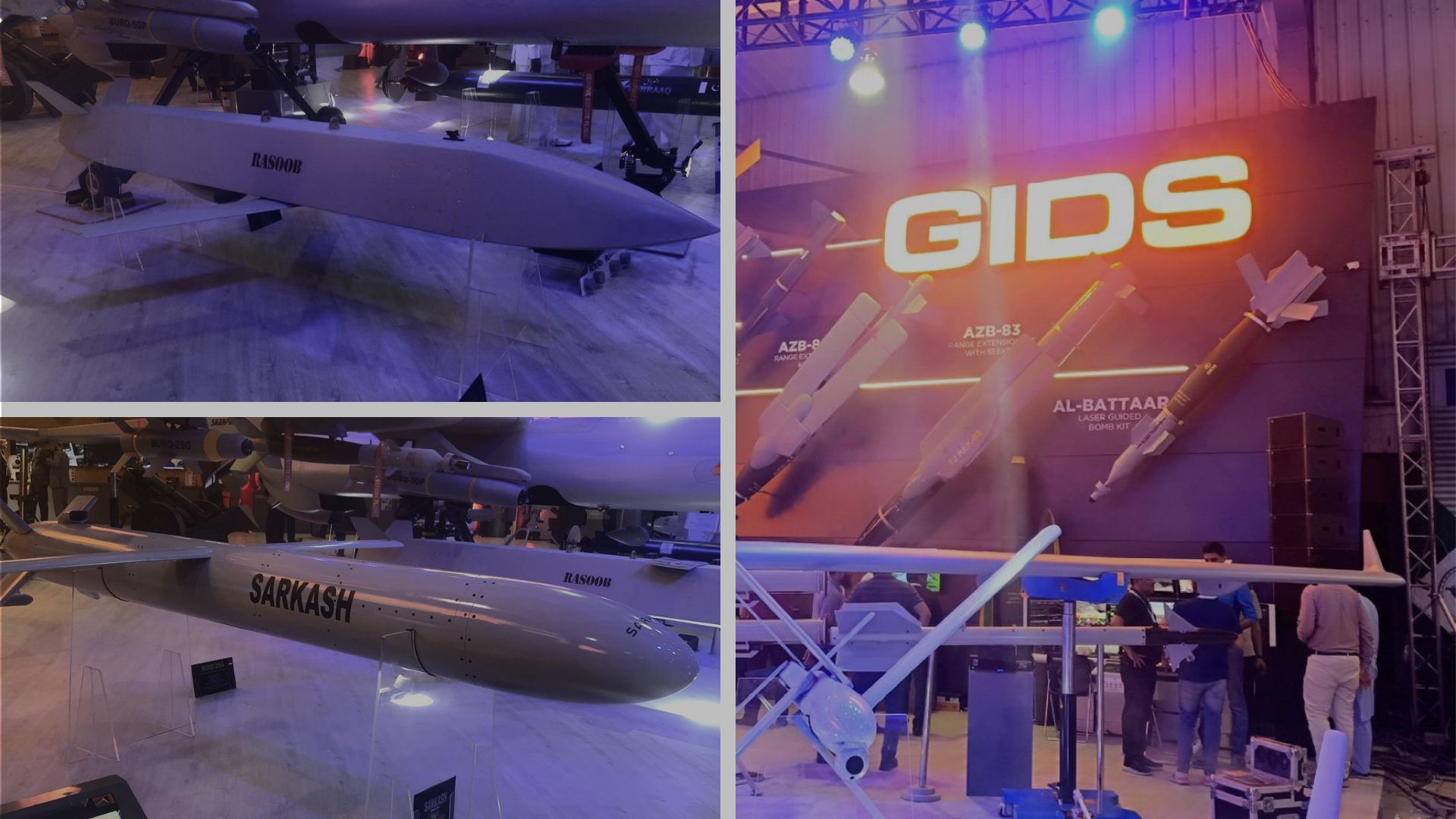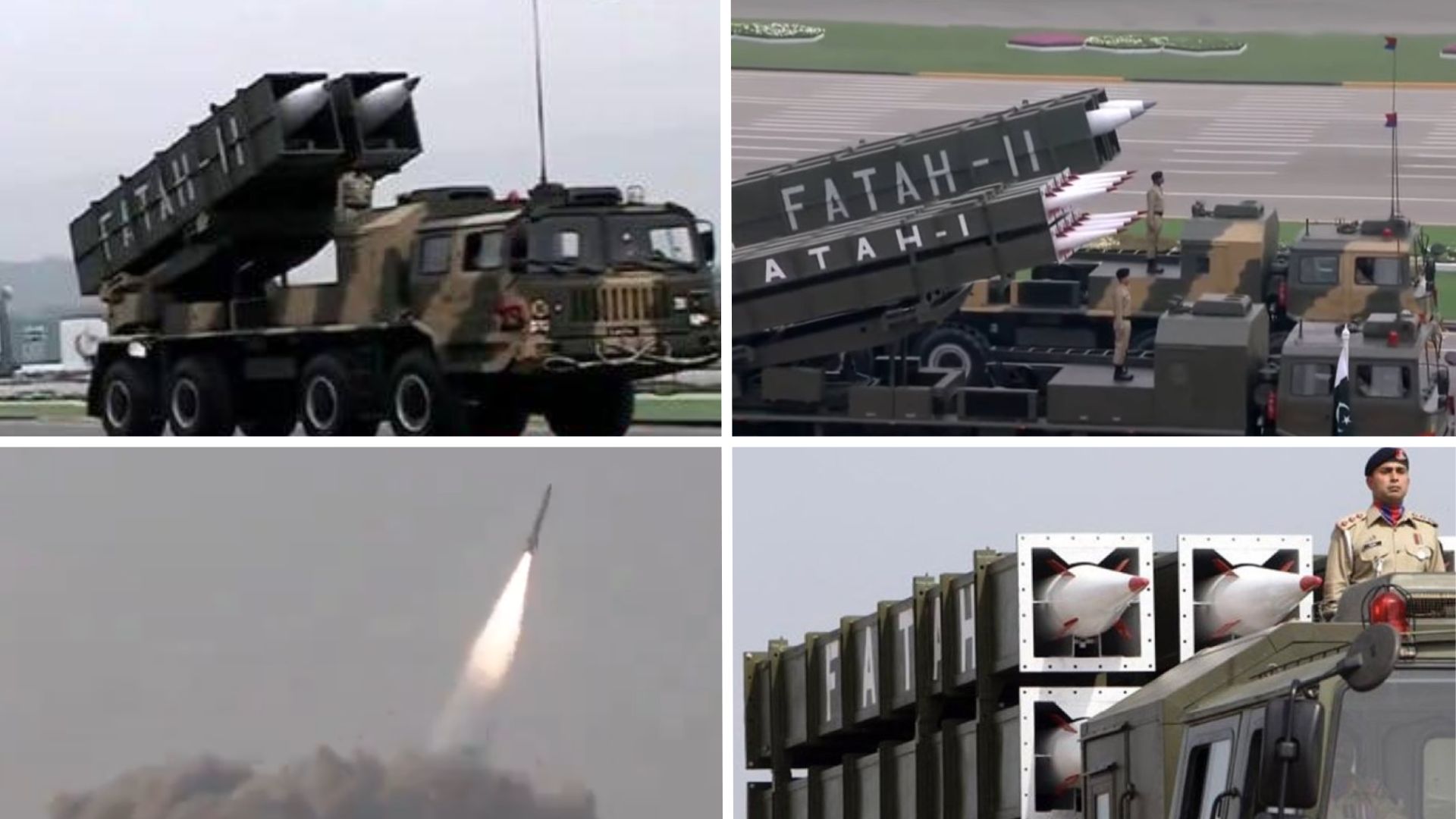

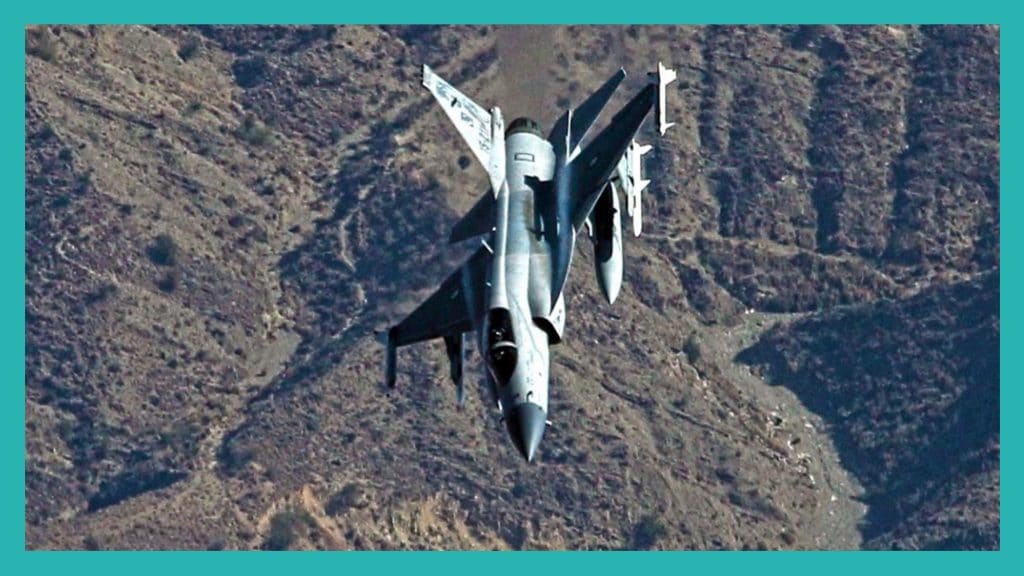
The Pakistan Air Force (PAF) will undergo significant capability growth through this decade. Headlined by the induction of the JF-17 Block-3 and the apparent order of J-10CEs, the PAF will add a line up of new air-to-air missiles, air-to-surface munitions, and other systems that may stir major tides in regional dynamics, but through many smaller, subtle moves rather a big sweeping act.
However, there is no doubt that the results of Swift Retort left an impression on the PAF leadership, with Air Headquarters (AHQ) looking to build upon what worked, but at scale. In other words, the goal is likely to deploy a Swift Retort-like response across several fronts and, potentially, with greater individual impact compared to the operation the PAF had carried out in February 2019.
Overall, a look at the PAF’s procurement pipeline for this decade shows it is concentrating on three fronts: i.e., extending its air-to-air engagement reach, expanding its strike capacity, and intensifying its electronic warfare element. This article will examine each of these domains.
Extending Air-to-Air Reach
The PL-15E beyond-visual-range air-to-air missile (BVRAAM) is the likely cornerstone of the PAF’s efforts to improve its engagement capabilities. The PL-15E reportedly has a range of 145 km, a major increase to the 70-100 km-range SD-10.[1] However, range would only be one of its improvements over the SD-10. The PL-15E leverages China’s technology advances from the past decade, so it likely has improved defensibility to electronic countermeasures (ECM) (i.e., electronic counter-countermeasures or ECCM).
The PAF will induct the PL-15E alongside the KLJ-7A active electronically scanned array (AESA) radar, which it is integrating to the JF-17 Block-3 and Block-2. In terms of range, the KLJ-7A reportedly offers up to 170 km of coverage against a target with a radar cross-section (RCS) of 5m2 [2]
The KLJ-7A comprises of at least 1,000 transmit/receive modules (TRM), enabling it to emit in different frequencies in a single pulse as well as maintain a higher level of defensibility against radar jamming.
In theory, the KLJ-7A should enable the Block-3 and Block-2 to take full advantage of the PL-15E’s range if need be. Moreover, the PAF is also procuring the J-10CE, which could mean it is getting an even larger and higher-output AESA radar. In other words, the PAF’s fighters could have a relatively long radar range. For the PAF, this is an important gain because it wants to maintain a credible “first-look, first-shoot” capability.
Finally, it seems that the PAF’s efforts to induct a true high off-boresight (HOBS) capability are progressing after a decade-plus long struggle. A recent report claimed that the JF-17 Block-3’s helmet-mounted display and sight (HMD/S) kits are in production (and custom-fit for each pilot).[3] The PAF will pair the HMD/S with a HOBS air-to-air missile (HOBSAAM), thereby greatly improving the within-visual-range (WVR) capability of the JF-17 (and likely J-10CE). It is unclear if the HMD/S is configured as one helmet-integrated kit, or as an add-on module. The HMD/S is likely Chinese.
Overall, the PAF is attaining both a vertical capability jump through the PL-15E, KLJ-7A, and HOBS, and horizontal growth by distributing these capabilities through many aircraft. By the end of this decade the PAF could potentially field as many as 200 fighters equipped with AESA radars, HOBS, and the PL-15E.
The capabilities on paper merit attention, but the underlying factors driving them are equally important. China’s technology research and development (R&D), especially in electronics and rockets, are translating into a growing roster of modern conventional solutions. These weapons are not a generation behind the mainstay weapons on offer from the West. For the PAF, things have come a long way since the days when it had to buy F-7PGs in lieu of new F-16s or Mirage 2000s because it could not access or afford the latter.
Don't Stop Here. Unlock the Rest of this Analysis Immediately
To read the rest of this deep dive -- including the honest assessments and comparative analyses that Quwa Plus members rely on -- you need access.