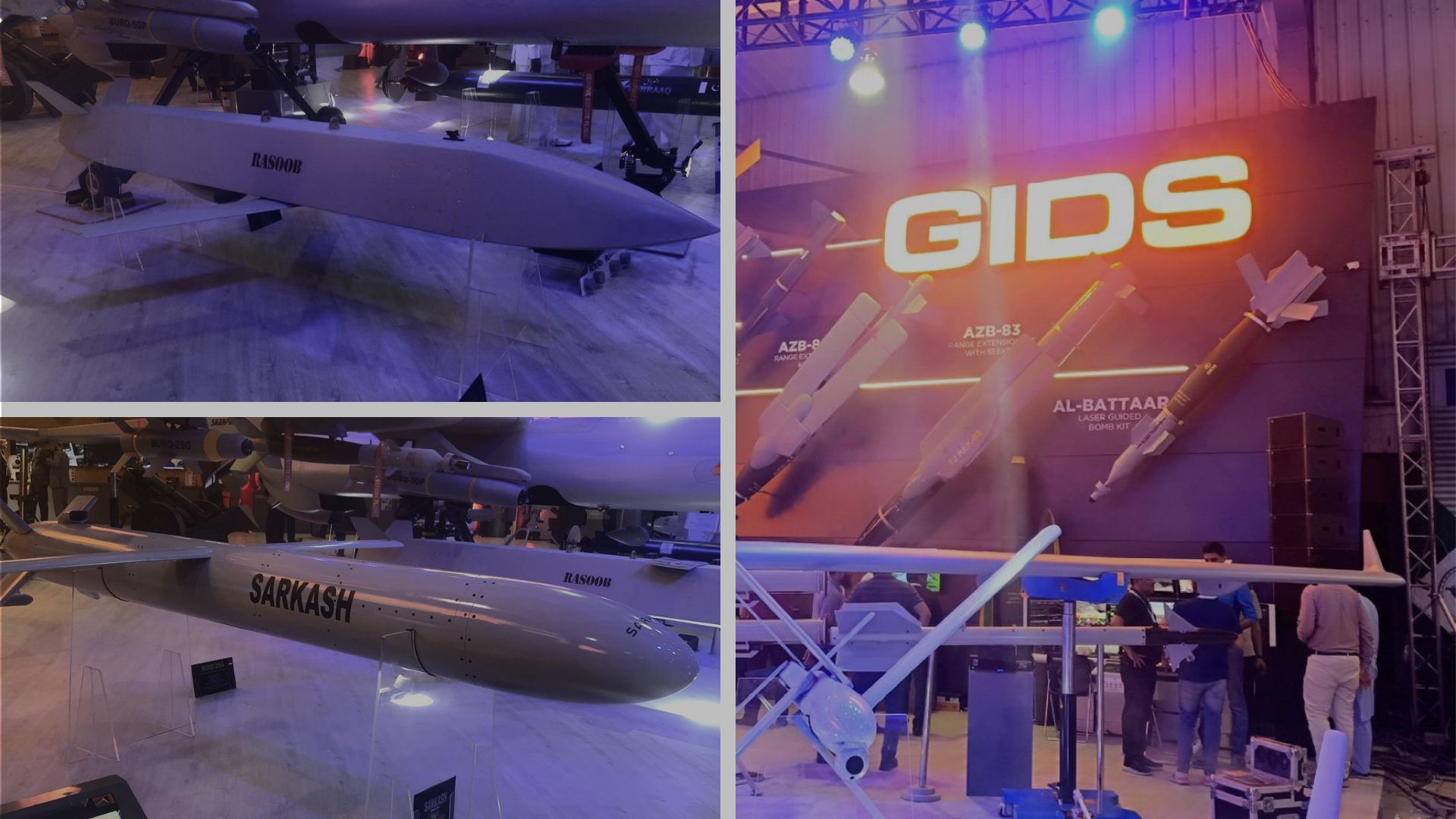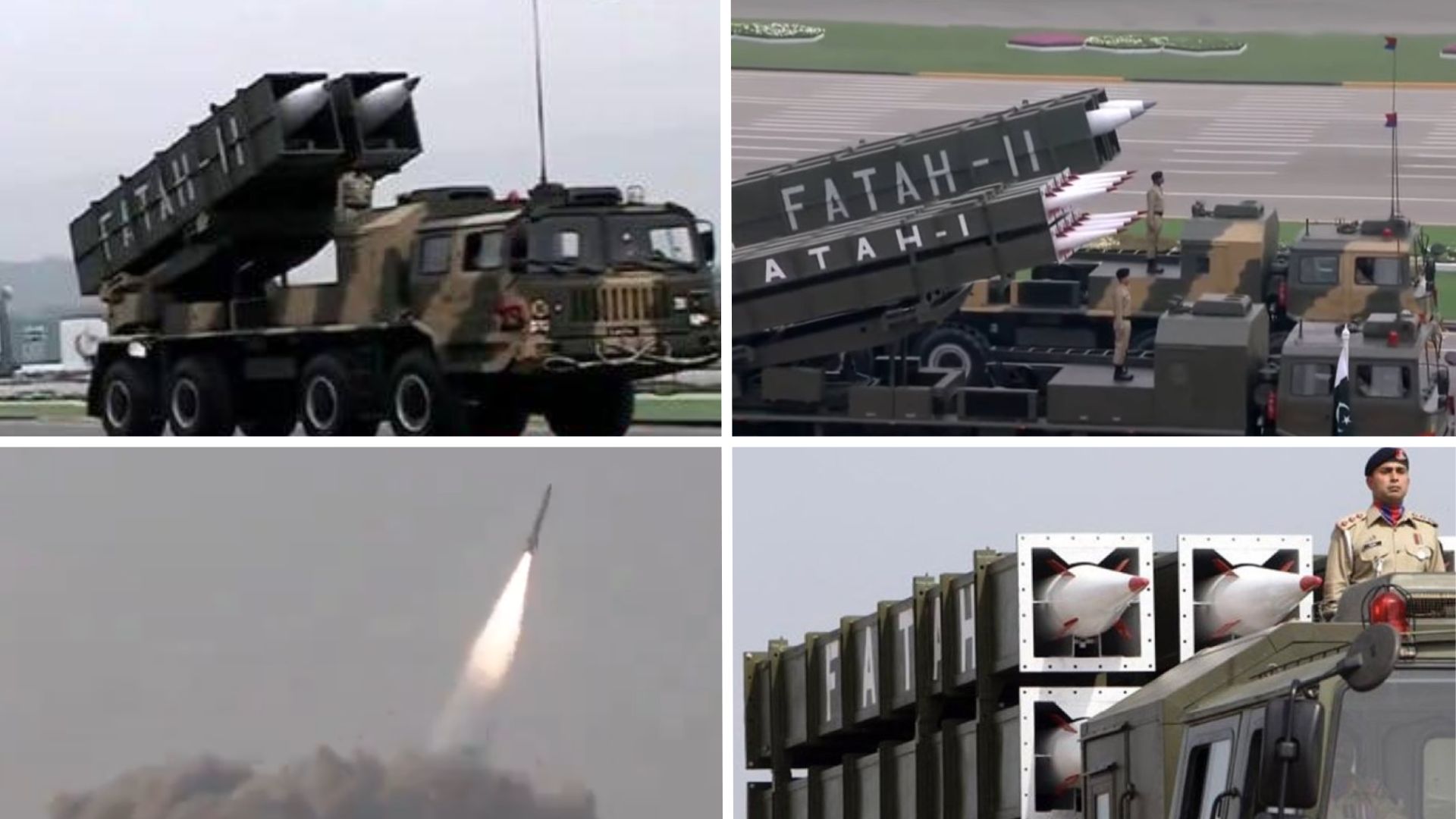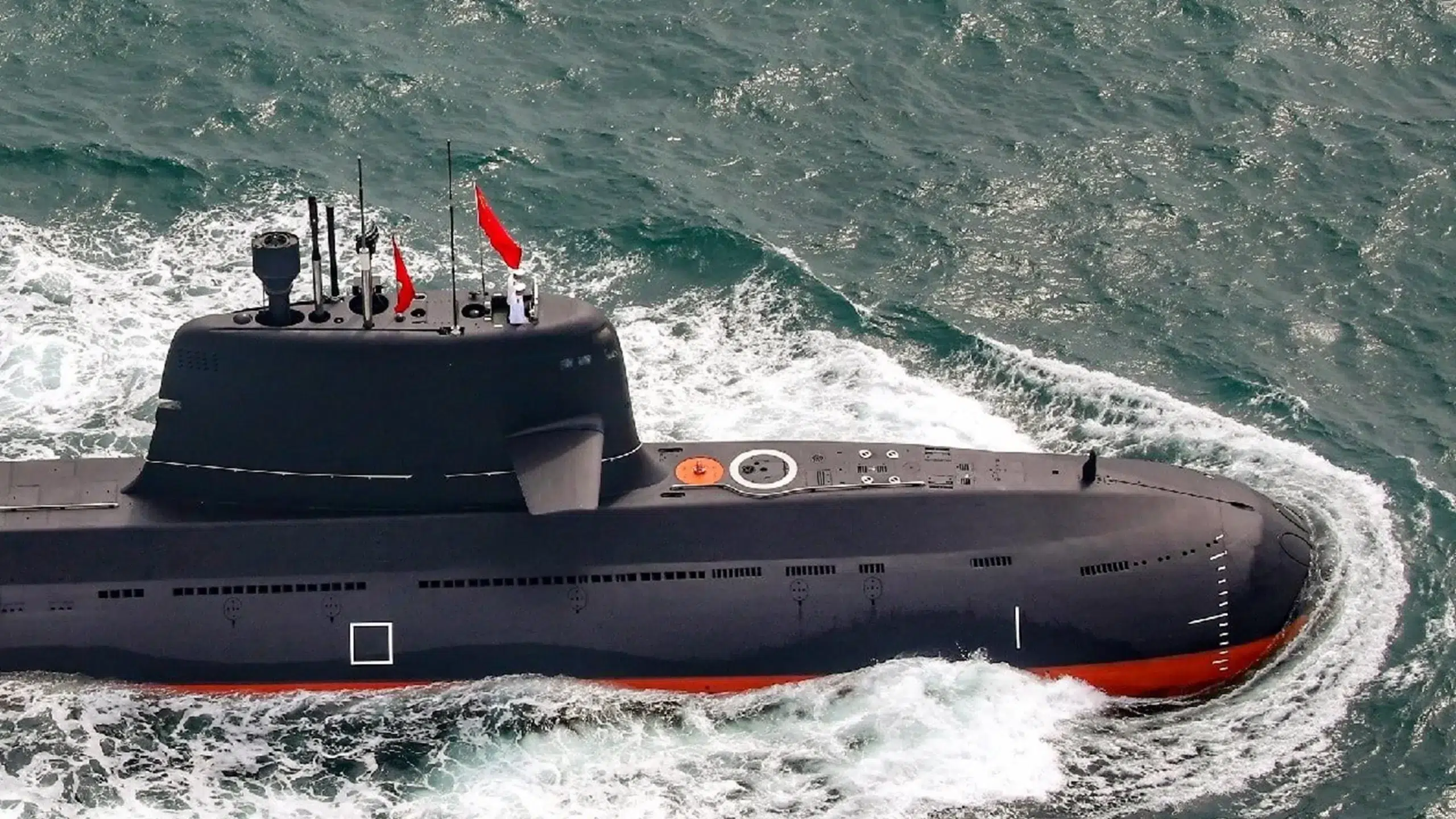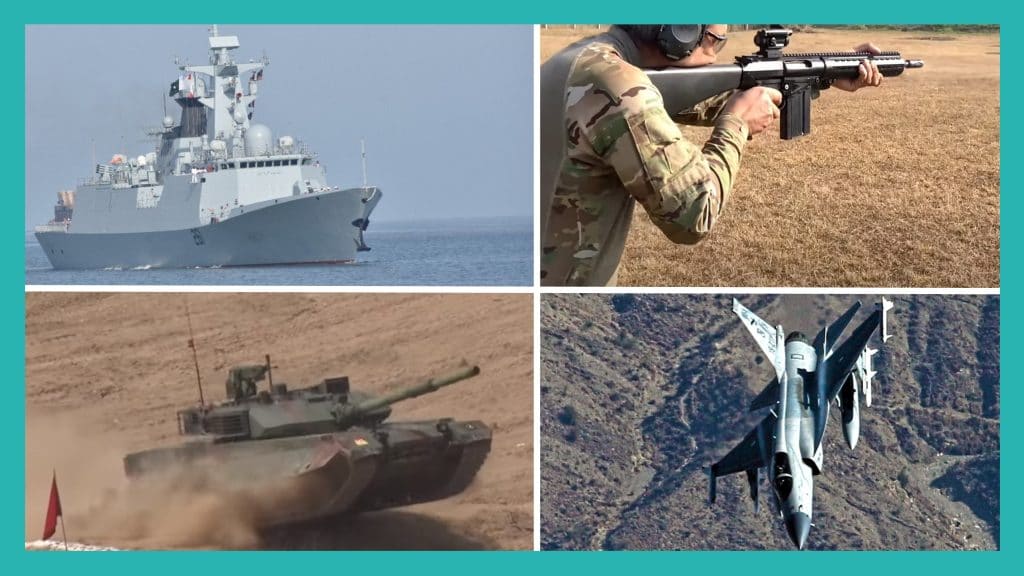
In 2021, Pakistan cemented its defence modernization strategy through the dual methodology of buying off-the-shelf Chinese solutions and developing original projects, either indigenously or with partners. The latter have typically been either China or Turkey.
Thus far, it seems that Pakistan is employing off-the-shelf and original programs in complementary ways. Ultimately, the requirements of each service arm and factors such as cost, technical complexity, partner support, and accessibility to existing solutions determine the route of each use case.
Pakistan Army
Though inducted in late 2020, the VT4 main battle tank (MBT) was the Pakistan Army’s (PA) most notable off-the-shelf purchase. China’s Norinco Group continued delivering additional VT4 MBT batches to the PA through 2021. However, from the onset of the program (once dubbed ‘Haider’) the VT4 was supposed to be a complementary solution to the domestically-built al-Khalid series.
The al-Khalid series is an original project, albeit based on Norinco’s MBT-2000 platform. However, the PA made many changes to the design to shape the al-Khalid into a distinct system, especially in terms of the engine, sighting systems and other electronics. Nonetheless, the leading partner of the al-Khalid series is China, which supplies some of the tank’s sub-assemblies to Heavy Industries Taxila (HIT).
Pakistan is still investing in the al-Khalid series. The Chairman of HIT, Maj. Gen. Aamir Raza, said, “we will also be producing a newer upgraded version of al-Khalid series based on…VT4 technology.” This statement suggests that the al-Khalid 2 will draw on the VT4, though the specifics of how are not yet known.
In terms of new MBTs, it seems that both off-the-shelf and original projects will form the future mainstay of the PA’s inventory. In fact, it seems that the PA is trying to build some commonality between the VT4 and al-Khalid 2, which could help simplify maintenance and logistics.
However, the PA is also working on several more indigenous original projects. These include a 155 mm towed-howitzer gun and, reportedly, a continuation of the Viper infantry fighting vehicle (IFV). Produced by HIT, the Viper IFV is based on the M113, which HIT has been manufacturing under license for decades.
The advantage of leveraging the M113 for the Viper IFV is that the PA can re-use existing production and support infrastructure while adding a net-new capability. This is a critical gain because the PA would induct the Viper IFV in large numbers to revamp its mechanized infantry formations.
Finally, Pakistan Ordnance Factories (POF) is developing two original rifles: BW20 and BW21. The two new designs rely on roller-delayed blowback mechanisms, which the PA trusts. However, POF’s aiming to bring new capability improvements on both the production and utilization fronts through the BW-series.
These projects provide the PA with the ingredients to modernize its infantry and armour at scale, and, as importantly, at an affordable cost. It seems that when it comes to quantitatively large procurement, the PA is leveraging as much of its existing infrastructure, training doctrines and other elements as possible.
Don't Stop Here. Unlock the Rest of this Analysis Immediately
To read the rest of this deep dive -- including the honest assessments and comparative analyses that Quwa Plus members rely on -- you need access.