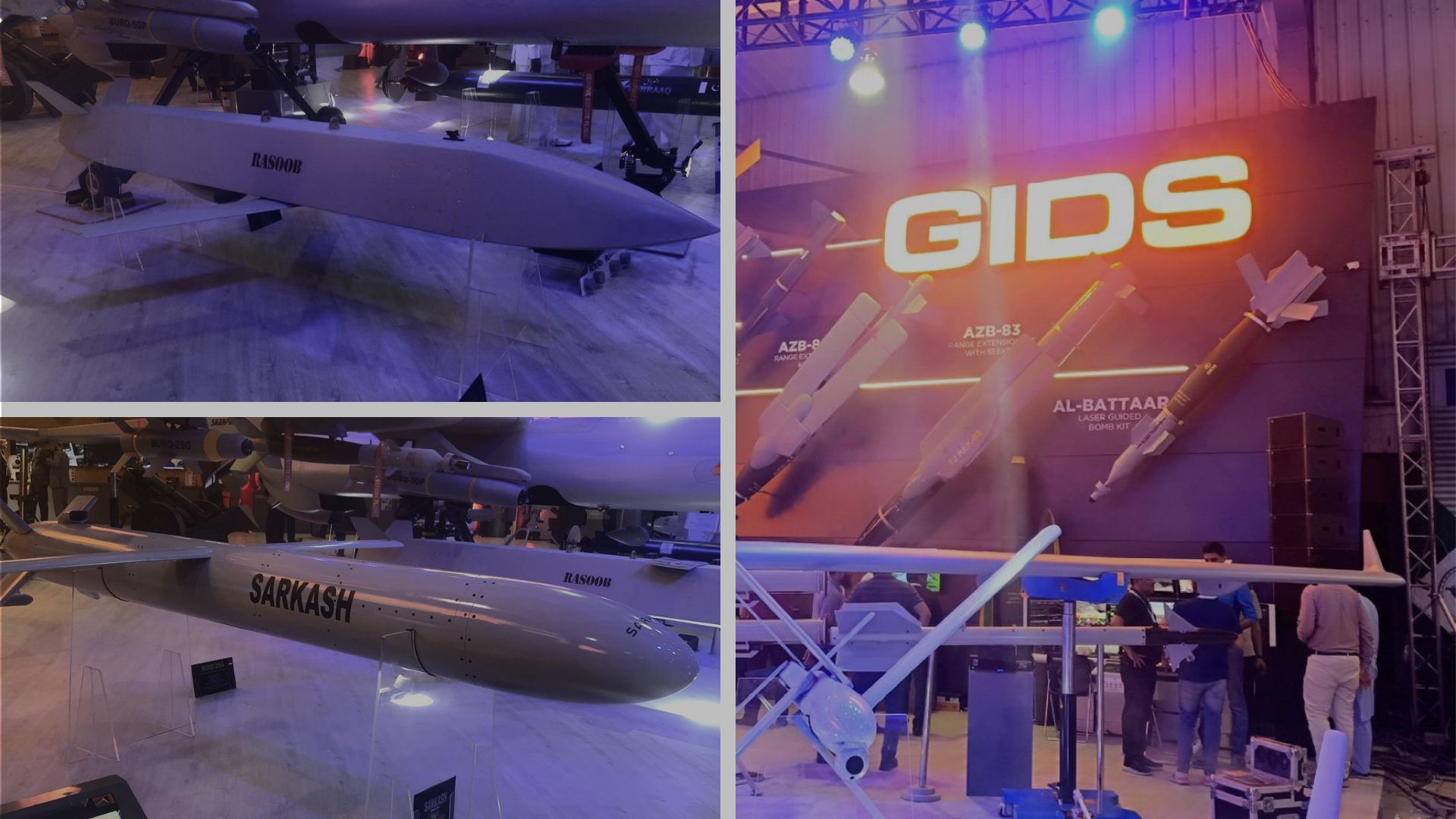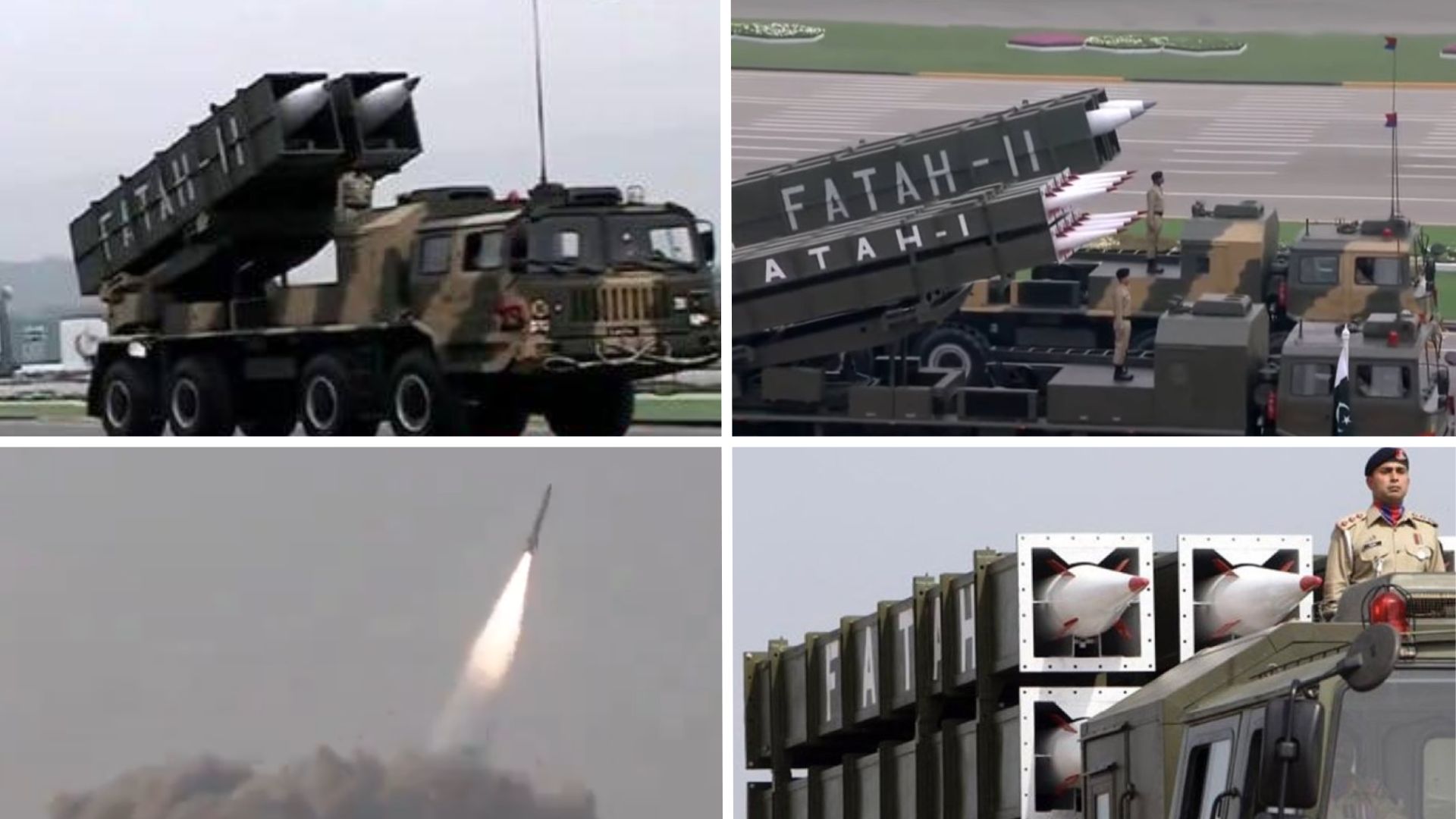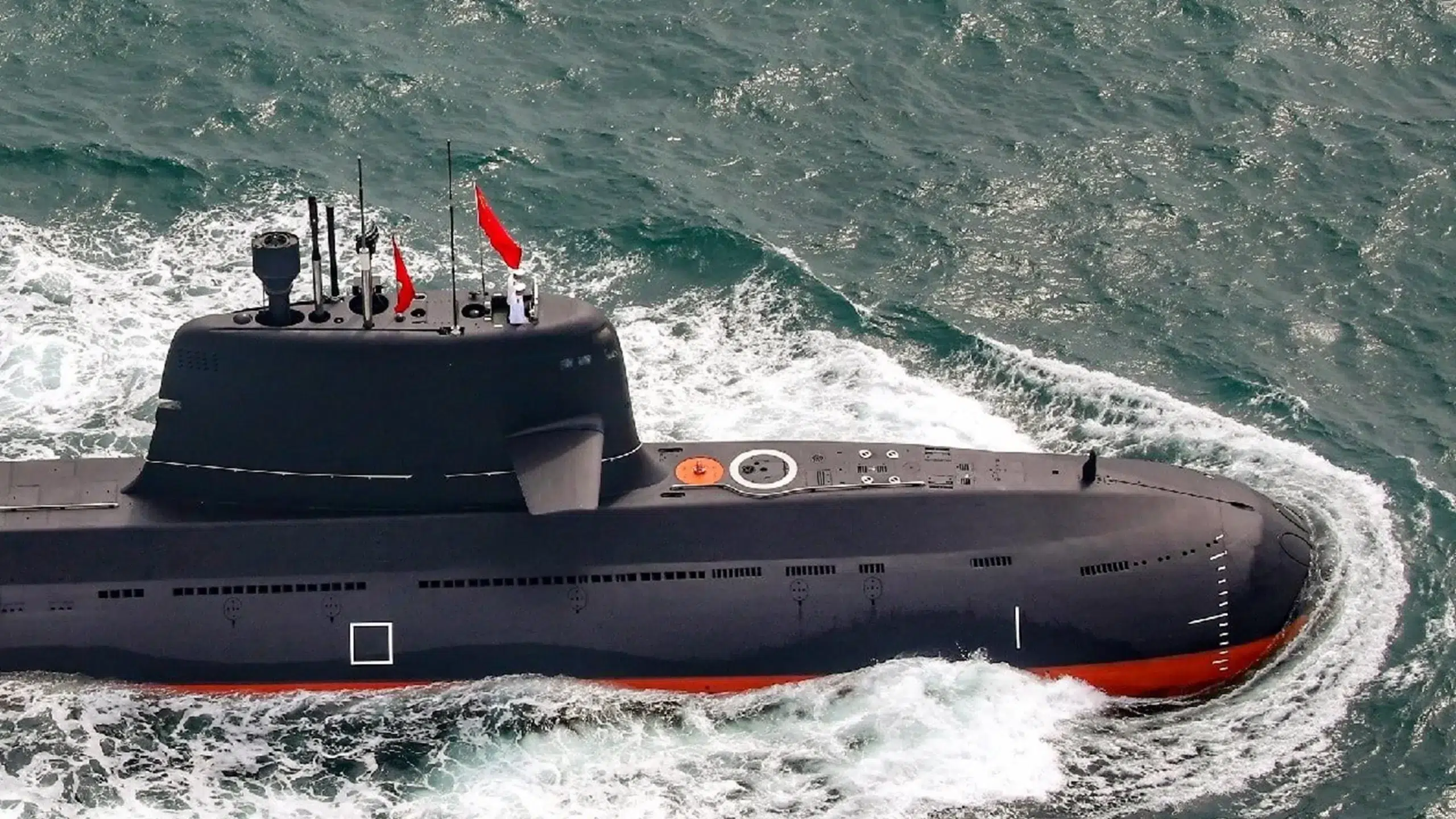
Compared to India, Pakistan’s ability to acquire the latest fighter aircraft and other sophisticated weapons (especially from the West) is markedly more limited. However, the nature of modern warfare is that there is more to the accumulation of assets. The key to building an advantage is not the asset in of itself, but its benefit, such as additional striking range, greater target detection, and expanded situational awareness.
Pakistan is working to improve its capabilities across each of the aforementioned areas, but its focus on building situational awareness is interesting. To improve its intelligence, surveillance, and reconnaissance (ISR) capabilities, Pakistan is investing in acquiring and organizing its land, sea, air, and space-based assets.
Radar: Recognized Air & Maritime Picture
In 1999, the Pakistan Air Force (PAF) started an initiative to build one coverage picture using the radars of each of the tri-services. Designated the ‘Recognized Air and Maritime Picture’ (RAMP), the system is active and leverages the PAF’s airborne early warning and control (AEW&C) aircraft alongside the land and sea-based radars of the Pakistan Army (PA) and Pakistan Navy (PN), respectively.
The benefit of the RAMP is that each tri-service arm has a ‘complete’ radar picture without coverage gaps. Each individual surface-based radar will have a bling spot due to the curvature of the Earth. However, with the RAMP, the viewer can draw on feeds from gap-filler radars and AEW&C. Moreover, each service arm is getting information on adversary aircraft and ship movements, thus informing them on how to deploy their assets, especially stand-off weapons (SOW) and other ISR systems.
ELINT/SIGINT/ESM: Leveraging Drones
Pakistan currently has two new medium-altitude long-endurance (MALE) unmanned aerial vehicles (UAV) in development: the Shahpar-2 by the National Engineering and Scientific Commission (NESCOM) and the 1.5-ton UAV by Pakistan Aeronautical Complex (PAC). Combined with a growing satellite communications (SATCOM) capability, Pakistan will gain the ability to operate drones at long ranges.
From an ISR standpoint, drones can support Pakistan’s ISR in multiple ways. The oldest method, one that Pakistan already employs, is building real-time visual-feeds of areas of interest. Pakistan’s current drones, notably the Falco and Shahpar, can be equipped with electro-optical (EO) turrets and provide those feeds.
However, those UAVs are limited in capability due to their lesser payloads and lack of beyond-line-of-sight (BLoS) communication. The latter limitation requires the drone operators to be within a certain range – usually 280 km or less – to operate the UAVs. But with satellite communication (SATCOM), Pakistan’s new drones will not have this limitation; with BLoS-capability, they can potentially operate at up to 1,000 km.
Quwa Plus
Go Beyond the Headlines on Pakistan’s Defence and Security.
Quwa Plus gives you deeper reporting, briefings, and analysis on Pakistan’s defence programs, foreign policy, national security, and regional strategy. Follow the developments that matter to professionals, analysts, and serious readers tracking Pakistan’s security landscape.
Join ($29.99/Year) Already a subscriber?Sign in