The Pakistan Navy (PN) is reportedly the launch customer of MBDA’s Albatros NG Naval Based Air Defence (NBAD) system.[1] In a press release in March 2021, MBDA announced that it won a contract to supply the Albatros NG to an “undisclosed international customer.”[2] The end-user will deploy the system in 2024.
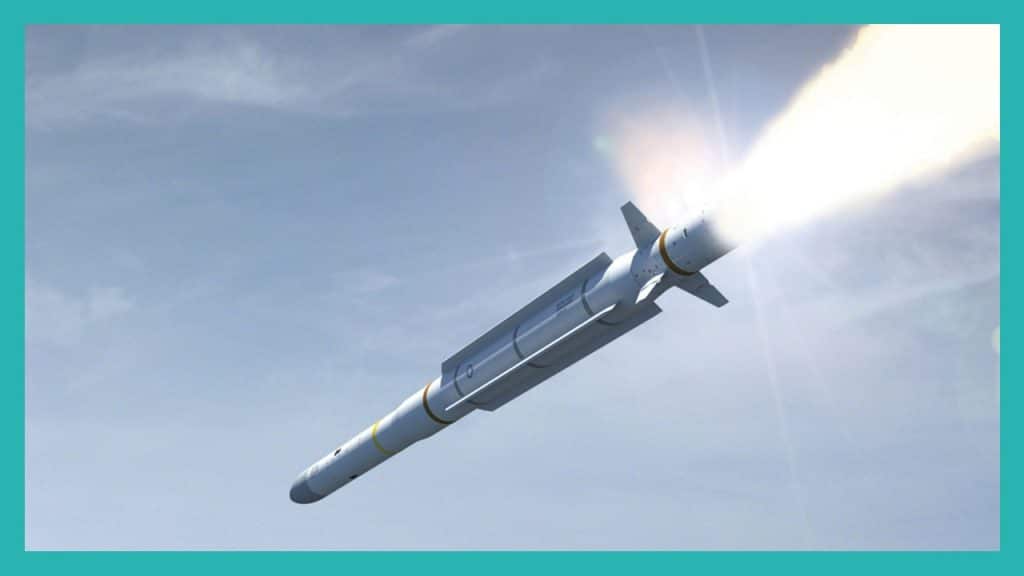
The Albatros NG utilizes the Common Anti-Air Modular Missile Extended Range (CAMM-ER) surface-to-air missile (SAM) system. The CAMM-ER is an Italian-funded variant of the CAMM, which was developed for the United Kingdom since 2012. The CAMM-ER offers a stated range of 45 km; however, this may be the system’s minimum range. The CAMM-ER uses an active radar-homing (ARH) seeker and can operate under a network-enabled environment comprising of multiple sensors.
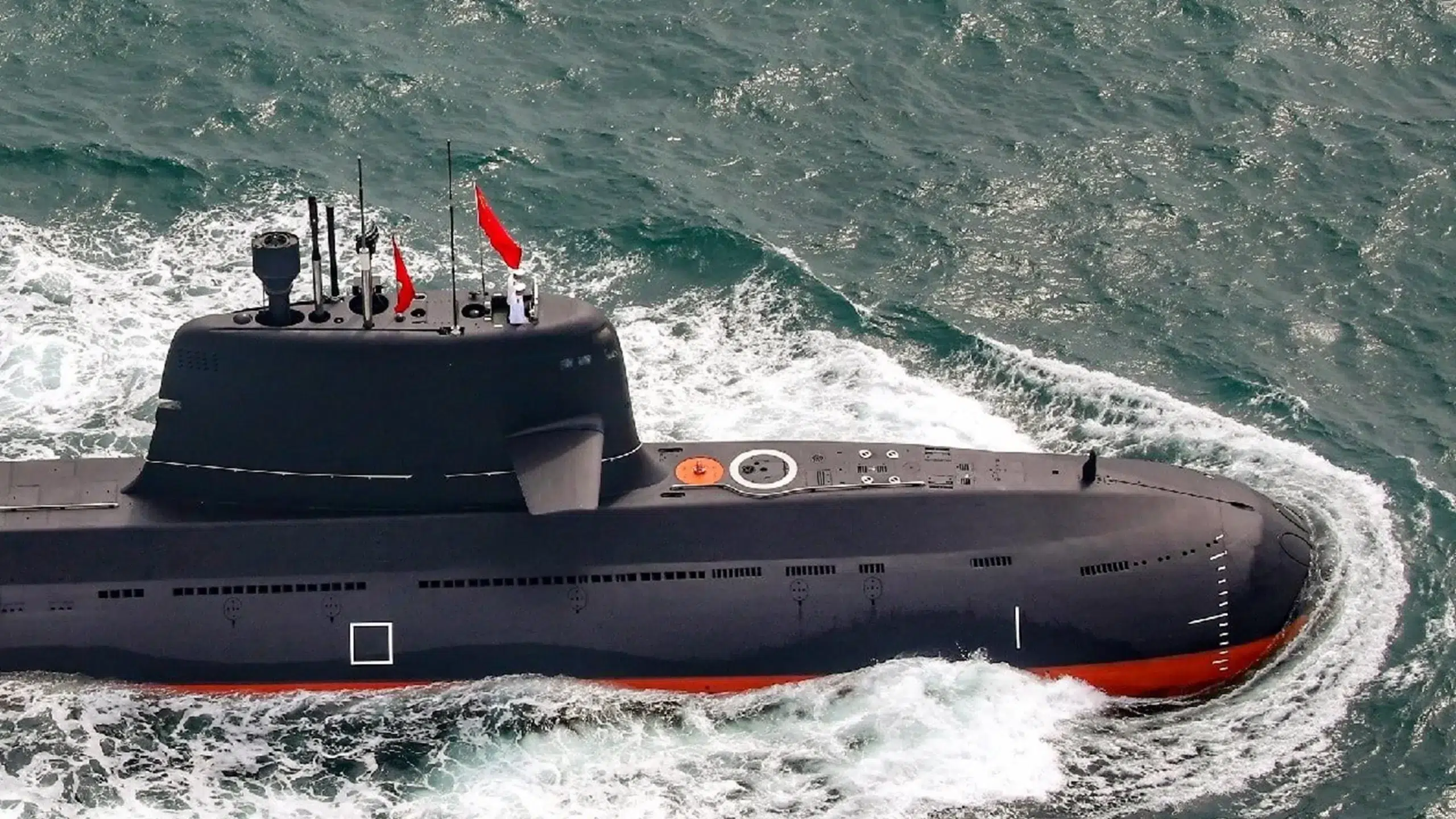
The PN will reportedly deploy the Albatros NG onboard its forthcoming MILGEM corvettes. Currently, the PN has four of these corvettes on order from Turkey’s Military Fabrika ve Tersane İşletme A.Ş. (ASFAT). Of the four corvettes, Pakistan’s Karachi Shipyard & Engineering Works (KSEW) will build two ships. The PN is expected to receive the first ship in 2023, and all four ships by 2024.
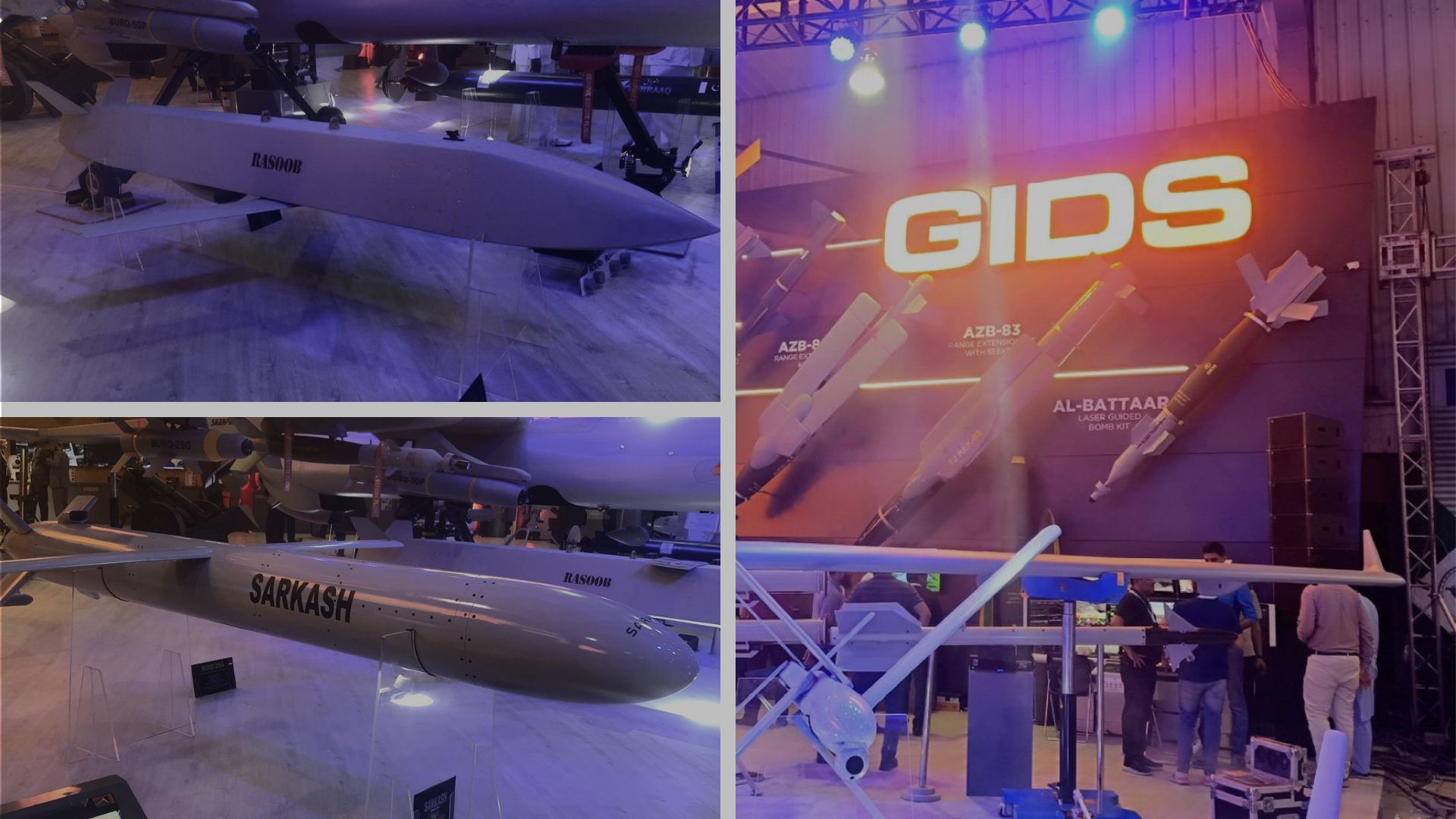
Based on the Ada corvette, the PN MILGEM is a heavily customized variant with a larger displacement of 2,988 tons. Its most noticeable feature is a 16-cell vertical launch system (VLS) behind the main gun, and a two-by-three launch cannister set-up for an anti-ship cruising missile (ASCM), potentially the indigenous Harbah, which the PN can use as both an ASCM and a land-attack cruise missile (LACM).
If the PN ordered the Albatros NG, it could potentially deploy up to 64 of these SAMs by using the CAMM-ER’s quad-packing configuration (i.e., house four missiles within one VLS cell). To achieve this capability, the PN would need to acquire a VLS that can support the CAMM-ER in quad-packing configuration. The likeliest option for the PN would be the SYLVER series, but Turkey is also developing its own VLS.
For comparison, the PN’s forthcoming Type 054A/P will deploy a 32-cell VLS system, but each of those cells will house one LY-80N. The LY-80N relies on a semi-active radar-homing (SARH) seeker, so it requires a specific illumination radar to maintain a lock on the target until the missile is in close enough proximity. In contrast, the CAMM-ER does not require illumination radars as it has an independent radar seeker of its own. However, while this configuration gives the CAMM-ER more independent operability, there is still the risk that it could suffer from enemy electronic countermeasures (ECM) jamming.
Though the report about the PN’s supposed purchase comes from one source, the information is certainly plausible. In fact, in October 2019, the CEO of MBDA Italy personally visited Naval Headquarters (NHQ) in Islamabad, Pakistan. It is unlikely that a high-profile visit of that nature would not concern a major defence acquisition program. Moreover, Italian media outlets reported that Pakistan was interested in the CAMM-ER in 2019.[3] Finally, the Italian government stated it approved $762 million US in arms sales to Pakistan in 2018. Overall, there are indications that MBDA Italy could have signed a CAMM-ER contract with the PN.
If this report is accurate, the PN MILGEM would certainly emerge as a highly capable warship. It will have a more robust AAW element than the Type 054A/P through a higher quantity of SAMs and, potentially, a more versatile AAW system. For example, MBDA states that the CAMM-ER can use third-party targeting information, thus implying that the SAM could deeply draw on a network-enabled environment. The PN is deploying such an environment (i.e., NIXS), so the MILGEMs may not entirely rely on their own radars (likely the Turkish variant of the Thales SMART-S Mk2) for air and surface tracking. Alongside the Albatros NG, the PN MILGEM will use the Aselsan Gökdeniz 35 mm gun system for point defence coverage.
In addition to a robust AAW element, the PN MILGEM would also be capable of long-range anti-ship and land-attack operations through the Harbah. If the Harbah is similar to the Babur, the range coverage could fall between 450 km and 700 km. In terms of anti-ship operations, this range coverage exceeds the range of the SMART-S Mk2, thus further indicating that a longer ranged radar is on the PN’s roadmap.
Finally, the PN MILGEM will also deploy a comprehensive electronic support measures (ESM) suite based on the Aselsan ARES-2NC. It will comprise of electronic intelligence (ELINT) and ECM capabilities. The ECM will also include a digital radio frequency memory (DRFM)-based jammer, which could help the MILGEM mitigate radar-guided missile threats and/or enemy radar systems.
Don't Stop Here. Unlock the Rest of this Analysis Immediately
To read the rest of this deep dive -- including the honest assessments and comparative analyses that Quwa Plus members rely on -- you need access.