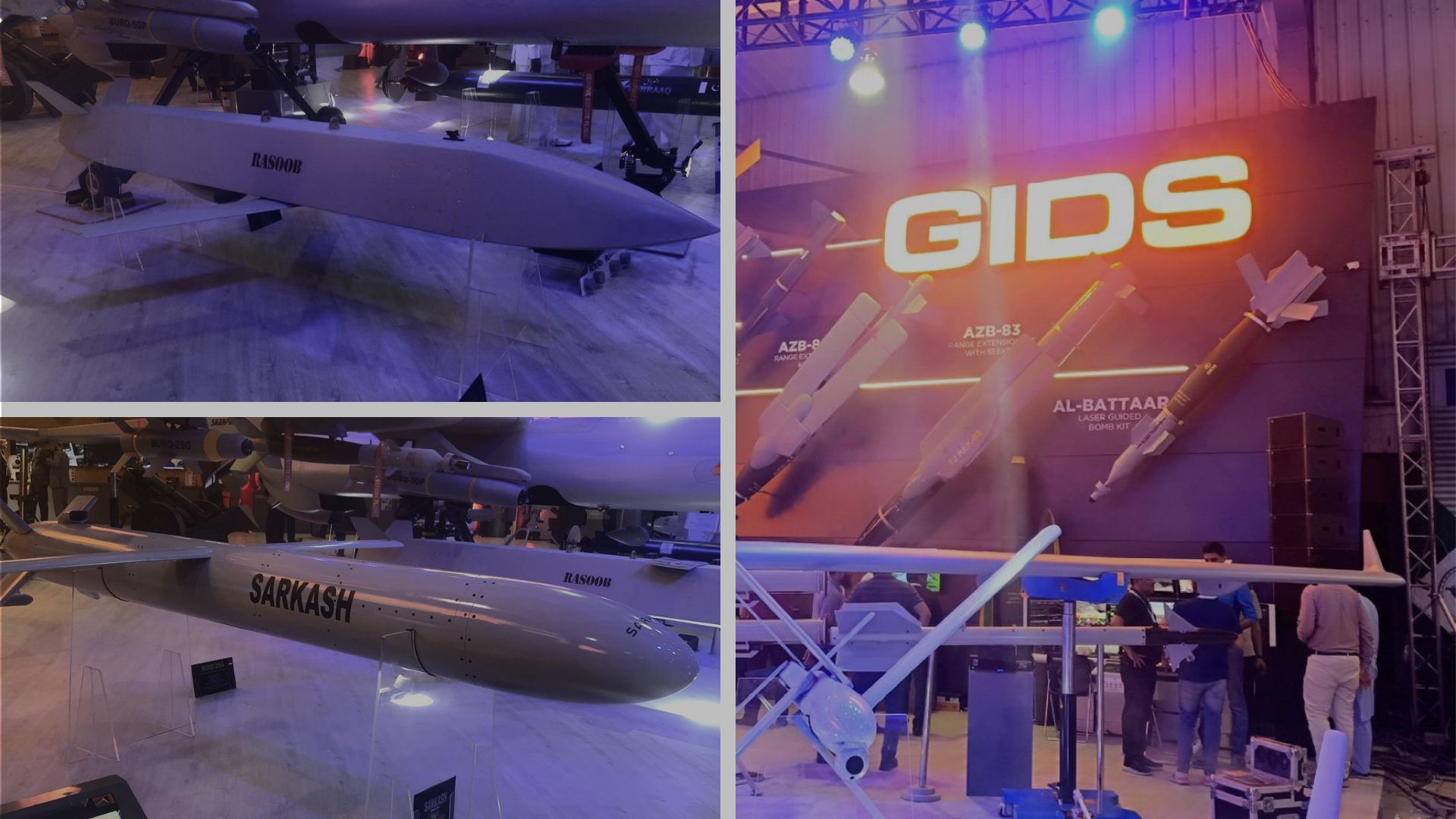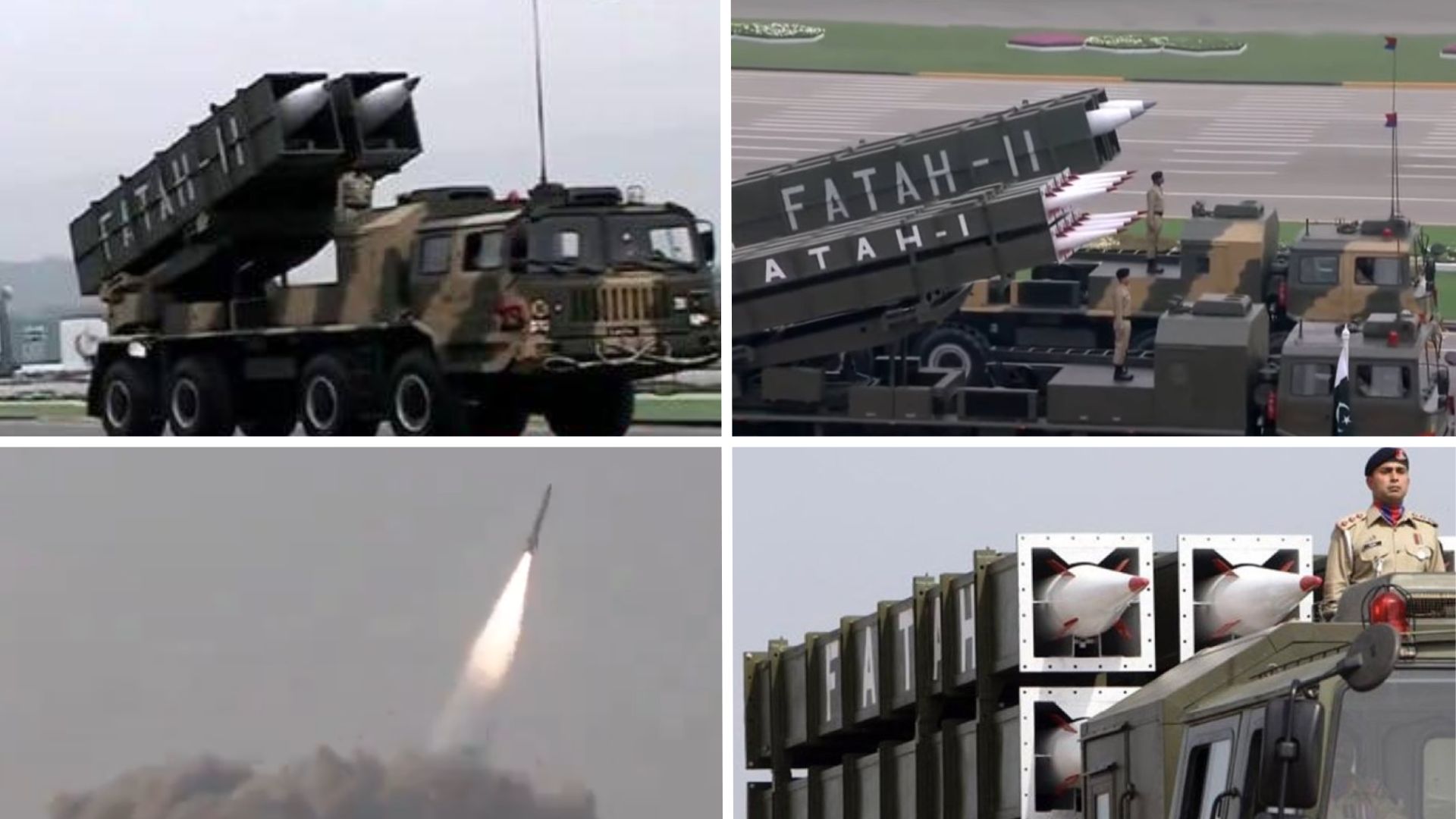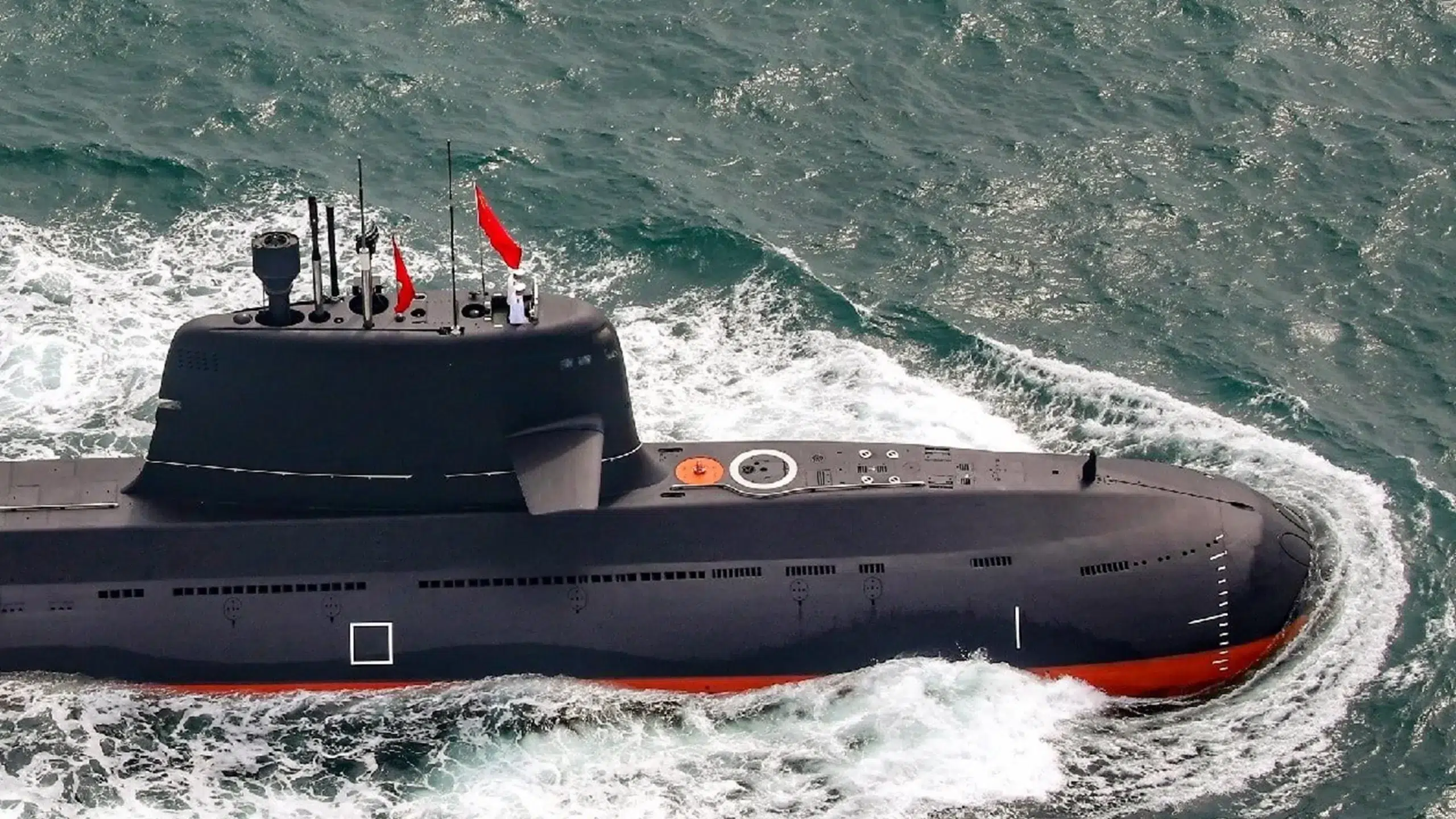
On 14 February, the governments of Turkey and Pakistan signed 13 agreements across a number of areas, including defence, research and development (R&D), and industrial domains. The two countries inked the agreements during the two-day official visit of the President of Turkey, Recep Tayyip Erdoğan to Pakistan.
During a joint-press conference with the Prime Minister of Pakistan, Imran Khan, Erdoğan stated that for Turkey, military and defence industry ties were the most important aspect of its relations with Pakistan.[1]
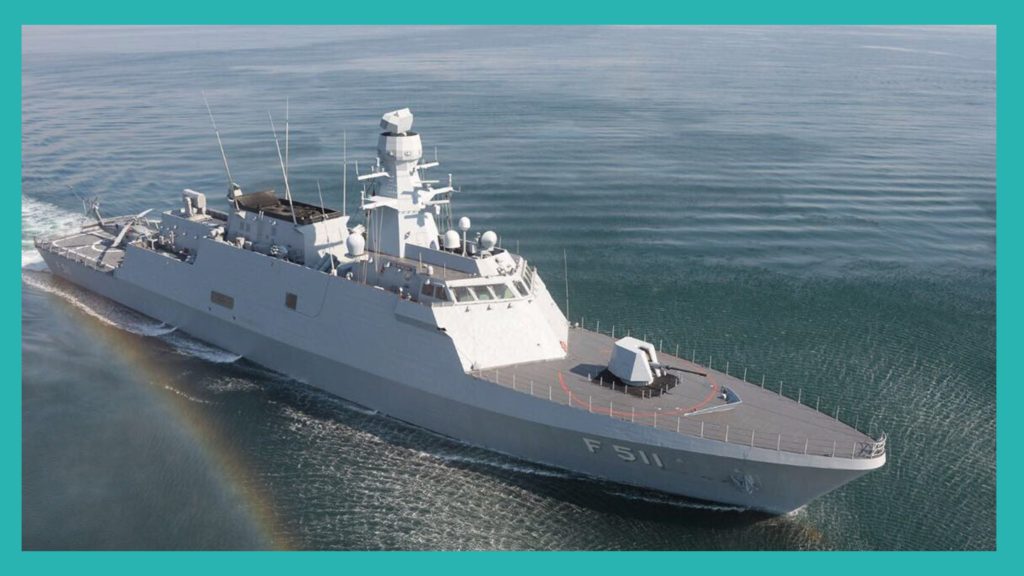
Erdoğan noted that Turkish companies were involved in 68 defence projects in Pakistan, which are worth over $3.5 billion US.[2] The sale of four MILGEM Ada corvettes and 30 T129 ATAK attack helicopters to the Pakistan Navy and Pakistan Army, respectively, are the main drivers of Turkey’s engagement in Pakistan.
There is no doubt that Turkey has a vested interest in securing additional big-ticket sales from Pakistan’s armed forces, especially in terms of drones and armoured vehicles. However, Ankara is also interested in engaging Pakistan at a deeper level, especially in terms of R&D.
In reference to Erdoğan’s visit, the leading official of Turkey’s Presidency of Defence Industries (SSB), Dr. Ismail Demir, told the Daily Sabah that the two countries should collaborate on R&D:
“I believe that forming research and development teams between Turkey and Pakistan and accelerating experience sharing will contribute to the defense industry. Establishing defense workshops and creating provision calendars for sectoral material will enhance both countries’ efficiency in the field.”[3]
It seems that Erdoğan achieved a step towards the SSB’s vision. Turkish Aerospace Industries (TAI) and Pakistan’s National University of Sciences & Technology (NUST) signed a multi-part MoU for “student and faculty exchange, joint-research, and intellectual property training leading to technology transfer.”[4] TAI is also the first Turkish firm to set-up an office in Pakistan’s National Science & Technology Park (NSTP).
TAI’s interest in NUST is likely aimed at enlarging its cadre of organic or lower-level R&D, typically in areas which are not geared towards specific products or systems, but broader applications.
The benefit for NUST is that its faculty and students have an additional funding source, which could result in an expansion higher level education as well as R&D efforts in Pakistan. Likewise, the entry of TAI – and possibly other Turkish companies – could make it costlier for the Pakistani armed forces and local entities to access that talent (since the latter would have alternative options).
On the other hand, TAI’s entry may incentivize other Pakistani institutions to make serious investments in R&D capacity so that they too can secure investment from overseas, which may expand the supply of skilled talent (and stabilize the cost of using that talent for both foreign and local companies).
Don't Stop Here. Unlock the Rest of this Analysis Immediately
To read the rest of this deep dive -- including the honest assessments and comparative analyses that Quwa Plus members rely on -- you need access.