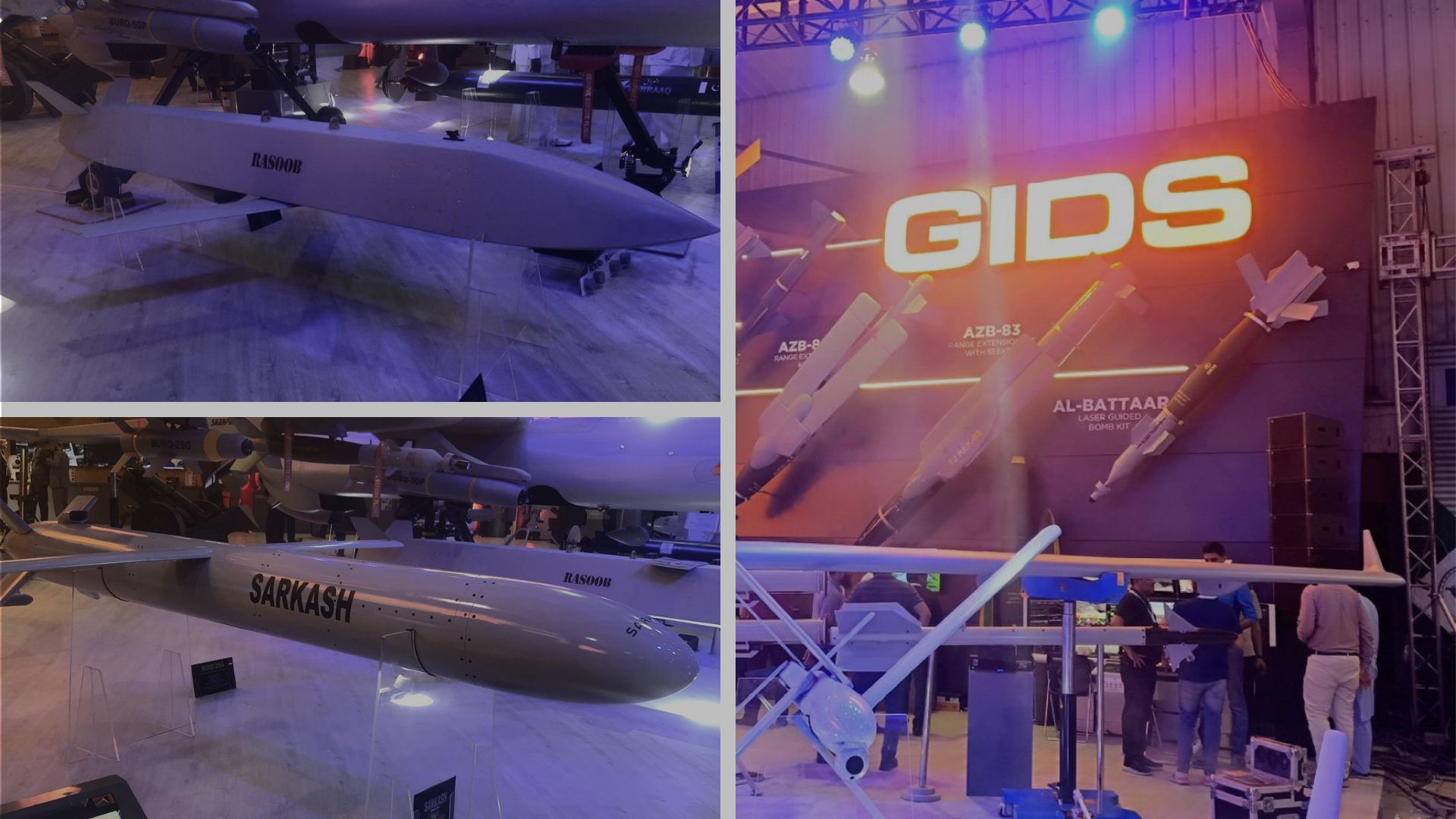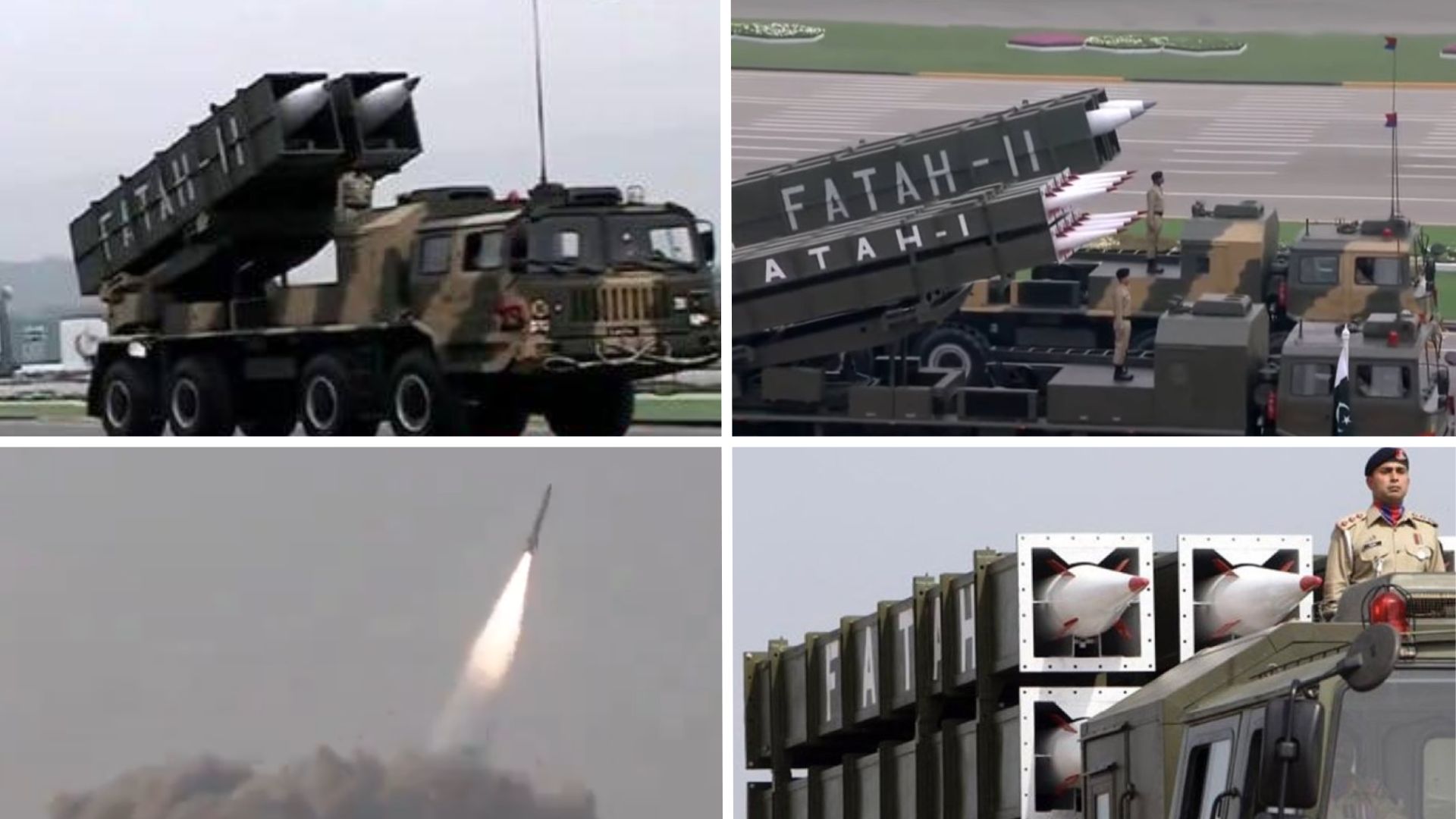
In 2016, Pakistan and Turkey began negotiations on multiple big-ticket defence programs for the Pakistani military, most notably four MILGEM Ada corvettes and 30 T129 ATAK attack helicopters. Pakistan officially inked both programs – totalling $2.5 billion to $3.0 billion in value – in 2018.
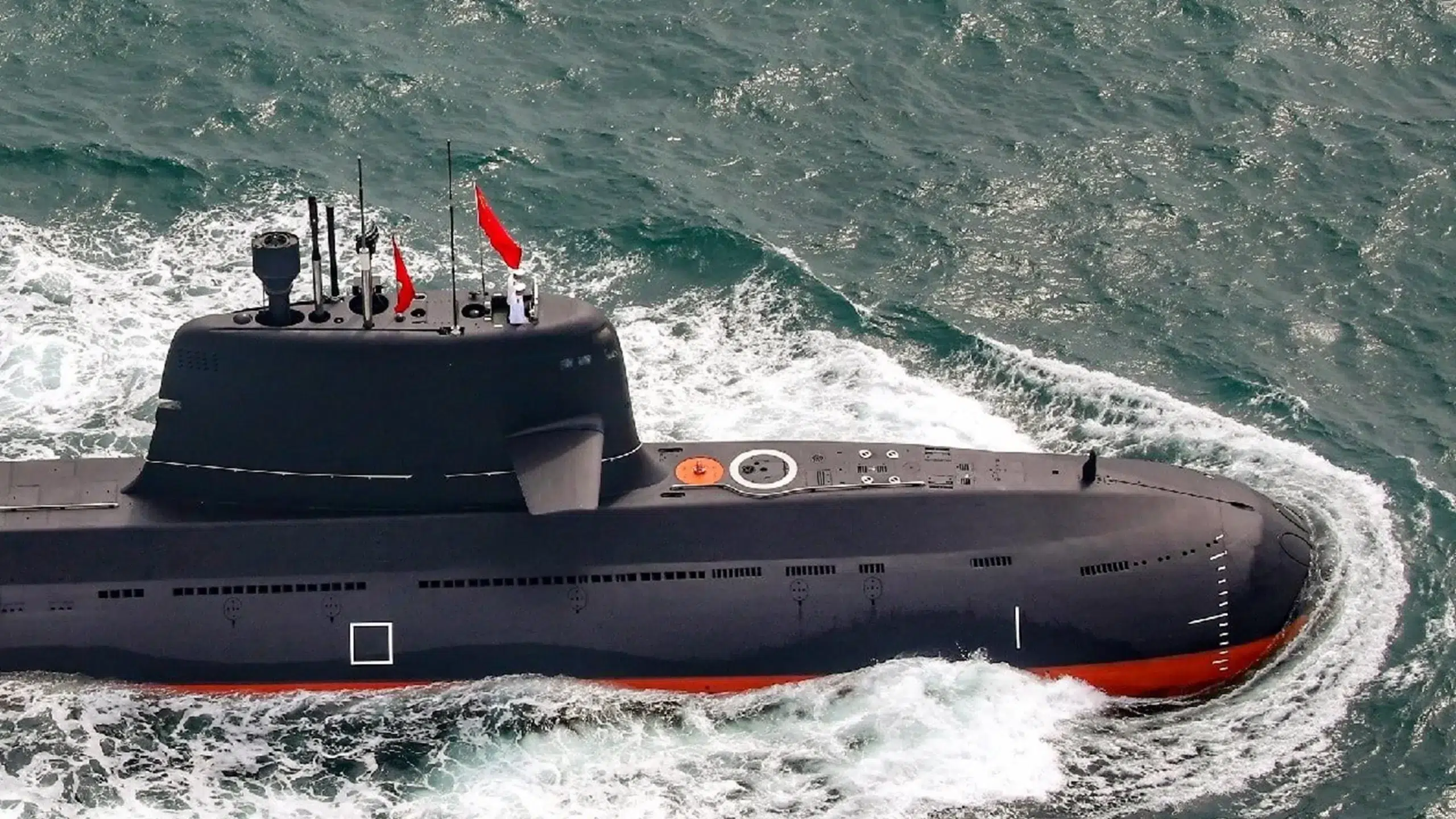
In addition, Turkey also got a $350 million US contract to extensively upgrade Pakistan’s three Agosta 90B submarines and supply up to reportedly 50 ASELPOD targeting pods. Turkey is pining to win additional contracts, sensing opportunities in drones, utility helicopters, anti-tank guided missiles, and other areas.
Though the procurement side of the relationship amounts to at least $3.0 billion US in value, it covers only a portion of Pakistan’s long-term defence requirements. In the next 15-20 years, many other assets in use by the Pakistani military will start nearing either obsolescence and/or unserviceability due to age.
The most important of these are, arguably, the Pakistan Air Force’s (PAF) F-16A/Bs, which will reach the limits of their airframes’ lives. In addition, the Pakistan Army Aviation Corps (PAA) is operating dozens of SA330 Puma helicopters in the transport and utility role, while the Pakistan Navy (PN) relies on its various Sea King models for search-and-rescue (SAR), troop transport, anti-ship and anti-submarine warfare.
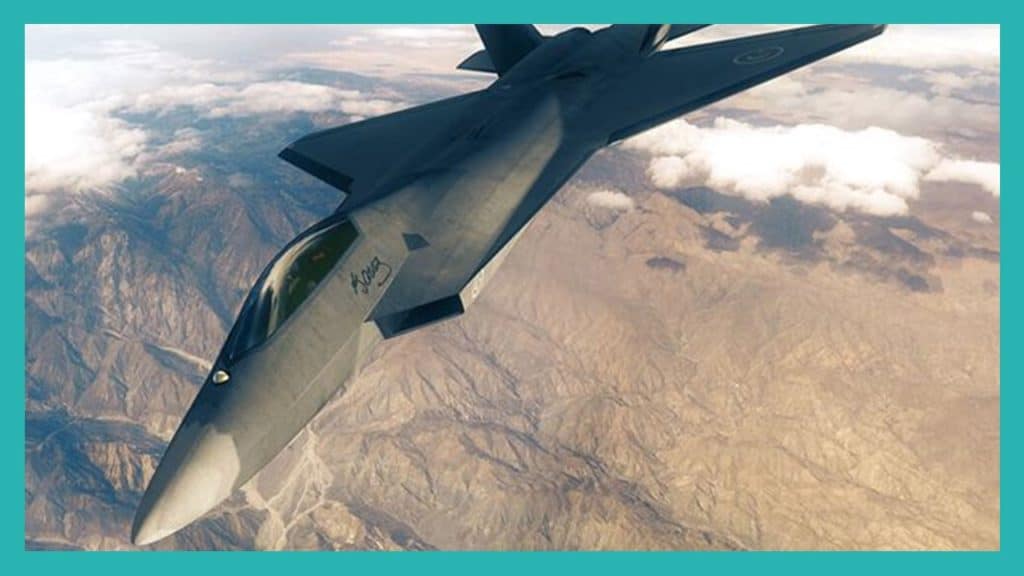
Granted, the question of replacing these assets (among others) will not take priority for at least a decade, but as far as the Turks are concerned, there can be an opportunity to promote its next-generation aviation programs, such as the TF-X fighter and 10-ton General Purpose Helicopter, for example.
However, while off-the-shelf procurement will remain an option (be it from Turkey, China or Europe), the ‘wave of next-generation equipment’ could also spur more effort towards in-house design, development, and production. The PAF is already working along these lines through Project Azm, i.e., its umbrella project for developing a medium-altitude long-endurance (MALE) drone and next-generation fighter.
But can Pakistan collaborate with Turkey on fighter aircraft, helicopters, and potentially other applications such as surface warships, submarines, drones, armoured vehicles, and munitions?
The question depends on multiple factors, the first of which is understanding exactly what Pakistan would be willing to take on as its own project. In general, Pakistan’s approach to its defence industry is one of a living armory, i.e., a domestic alternative for specific weapons the military cannot acquire from abroad.
In other words, Pakistan will generally pursue a domestic program only if it is unable to acquire a credible solution from overseas (or if the combined cost of development and production is lower than importing).
So, the pursuit of Project Azm is an indication that acquiring a next-generation fighter from the market is inaccessible, either due to cost or to unwilling suppliers, or both.
Don't Stop Here. Unlock the Rest of this Analysis Immediately
To read the rest of this deep dive -- including the honest assessments and comparative analyses that Quwa Plus members rely on -- you need access.