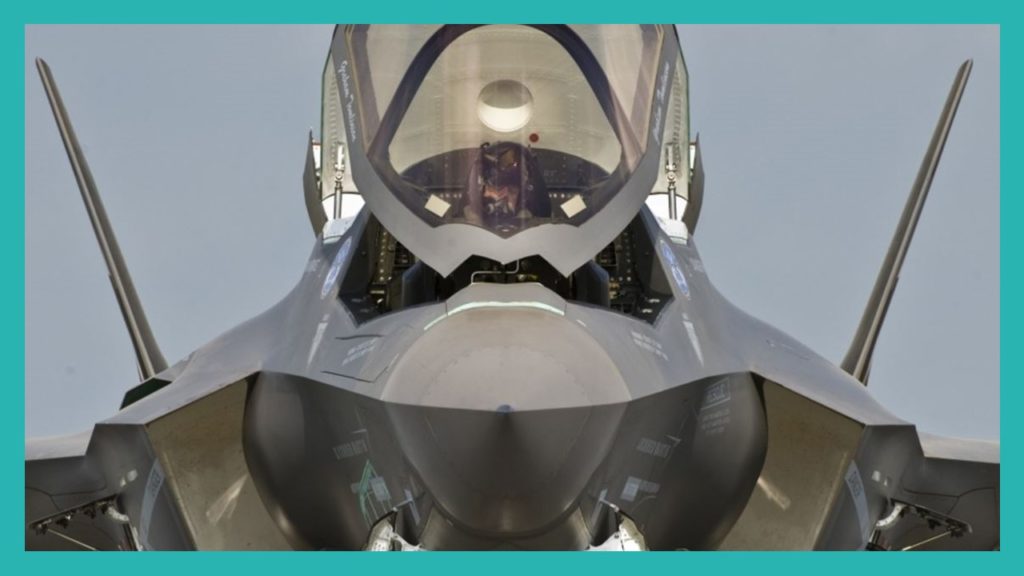
On 13 August 2018, US President Donald Trump signed into law the 2019 National Defence Authorization Act, a $716 billion bill outlining the US’ fiscal defence priorities for the next year. A marquee aspect of the Act, and one of significant contention, is the stay on delivering the first of Turkey’s Lockheed Martin F-35 Lightning II fighters to Ankara. Although Washington had alluded to blocking the fighter in response to the Turkish government’s decision to procure Almaz-Antey S-400 Triumf long-range air defence systems from Russia, Ankara’s arrest of American pastor Andrew Brunson served as a final catalyst.
However, Turkey is not simply a customer of the F-35. Rather, it is an equity partner that had contributed to the development of the aircraft and, in turn, wields a range of workshare rights in the program. In fact, the F-35’s Joint Program Office has outlined that it “will continue to execute current program plans”, thus indicating the surprising nature of Washington’s move (such that the F-35 Joint Program Office has yet to plan, much less execute, an alternate course).[1] It is unclear if Washington will commit to the stay, though it has conditioned its move on the arrest of Brunson and – to a lesser degree – Turkey’s S-400 purchase.
Join Quwa Plus
Get the latest defence news and analysis on South Asia and the Middle East.
Already a subscriber? Sign in