
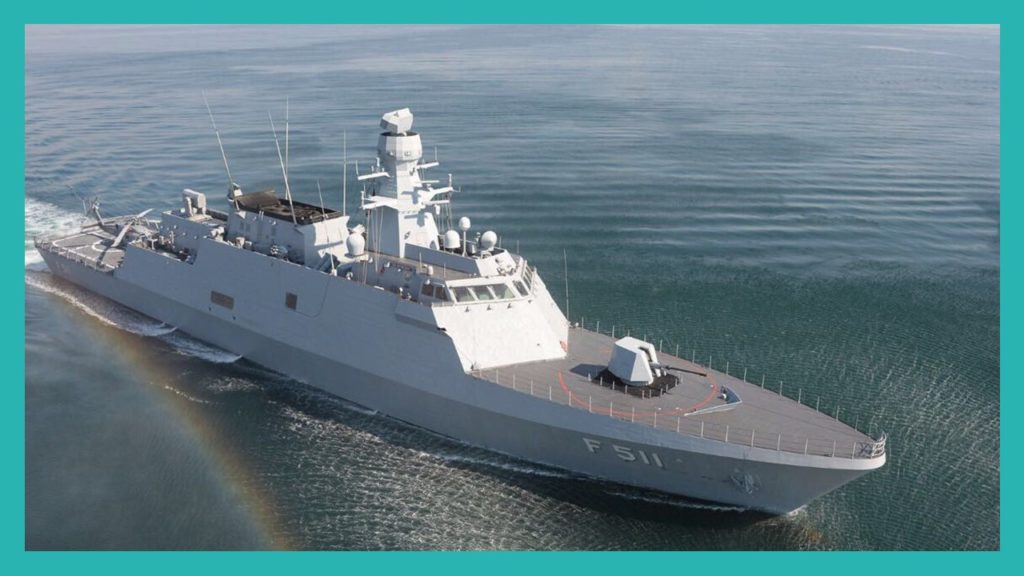
Pakistan has been negotiating with Turkey’s Undersecretariat for Defence Industries (SSM) and its defence contractor – Savunma Teknolojileri Mühendislik ve Ticaret A.Ş. (STM) – for the purchase of four MILGEM Ada corvettes since June 2016. Pakistan had formally requested the corvettes with credit during an official visit by Turkey’s then Minister of Defence (MoD), Fikri Işık. Ultimately, the Pakistan Navy’s (PN) principal goal with this corvette acquisition is to recapitalize its surface fleet, most of which is still composed of old surface combatants, namely five ex-Royal Navy Type 21 frigates and single ex-US Navy FFG-7 frigate (i.e. the PNS Alamgir). However, beneath that self-evident goal are key nuances, each of which is important to acknowledge in order to properly understand why the PN is content with the MILGEM Ada.
This report overviews the history of the PN’s pursuit of this corvette while also outlining relevant details of the MILGEM program. The objective is to analyze the projected impact of these corvettes should they get inducted into the PN fleet. Though a final contrast has not yet been signed, this report will argue that the PN may consider this an indispensable program, albeit in relation to its surface fleet, which itself may not be critical to the PN’s wartime interests (this is also discussed in this report). Ultimately, even with the MILGEM Ada in place, the PN is not planning to change the underlying nature of its surface fleet, which is intended to excel in peacetime sea control, but fulfill a secondary role in wartime.
History of the Pakistan Navy’s Corvette Program
The PN originally began its pursuit for a corvette in 2006. The objective behind its pursuit has not changed – the original aim was to recapitalize the surface fleet with high-quality new-built ships. Like today, the original PN corvette requirement was for four ships. Interestingly, the ship to secure that requirement was the MILGEM Ada. However, the MILGEM Ada was still in development at that time; hence, it was a vote of confidence by the PN in an untested platform. However, as it emerged in recent years, the MILGEM – i.e. short for Milli Gemi or National Warship – Turkey’s government and naval leadership were serious about bringing the MILGEM to fruition and, besides completing the Ada, evolved it into new platforms, such as the I-Class frigate, LF-2400 and CF-3500 (with the first I-Class under construction since 2017).
In 2006, the PN’s scope of options was also relatively wide. In a sense, the MILGEM Ada at that time was an untested quantity. In addition, Pakistan was able to generate commercial interest from leading French and German shipbuilding companies, both of which were pining to secure a conventional submarine deal from the PN. It would have been a logical option to package the submarines and corvettes together, which could incentivize the supplier to push for the requisite funding mechanisms and industrial concessions. In 2006-2007, the PN selected the Type 214 from ThyssenKrupp Marine Systems (TKMS) for its requirement of three new air-independent propulsion (AIP)-equipped submarines.[1] Thus, the TKMS MEKO-series could have amounted to genuine competition, especially considering that Berlin was willing at that time to offer credit to back the PN Type 214 deal.[2] However, the Type 214 and corvette programs collapsed in the end.
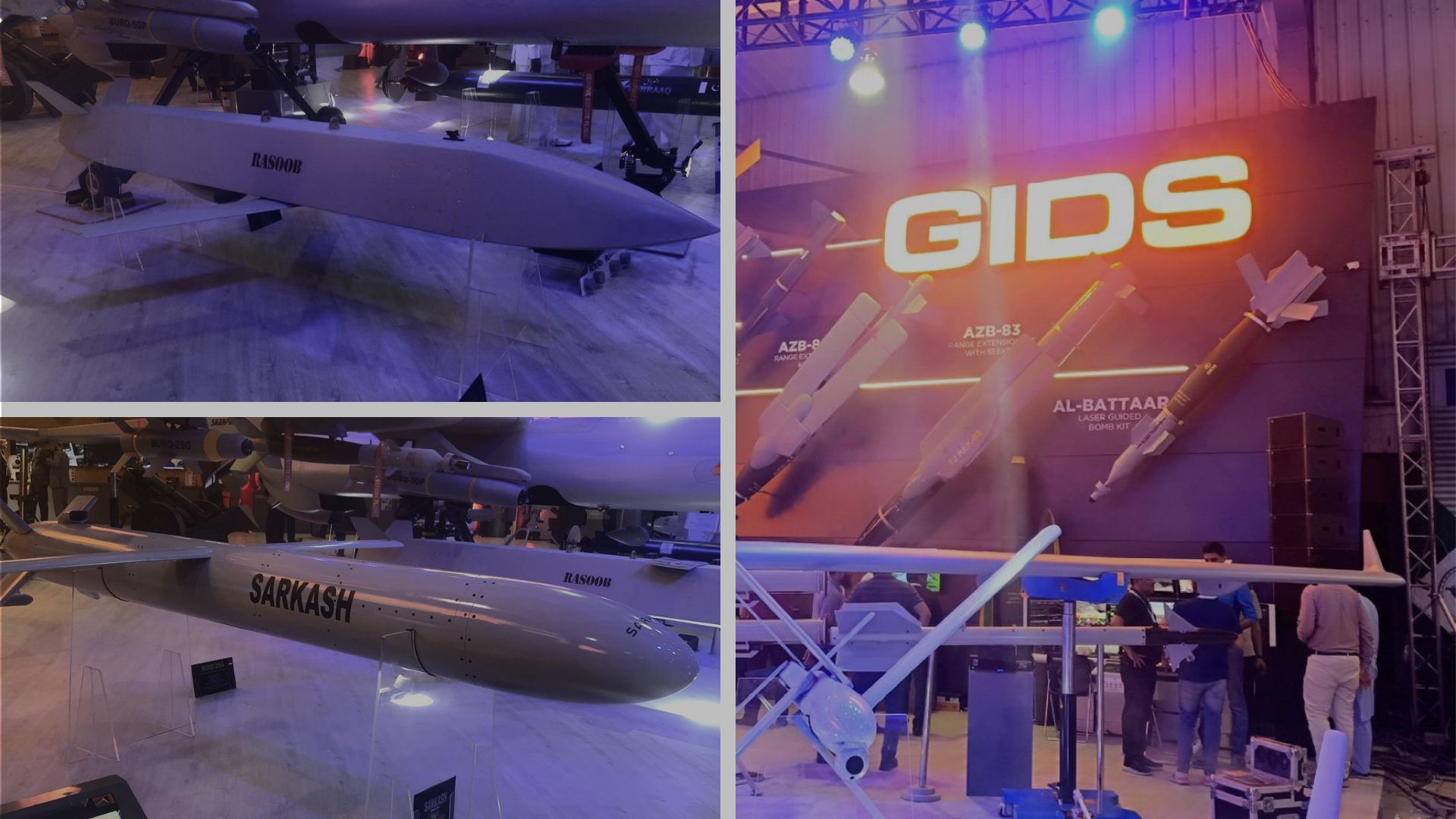
The PN’s pursuit of the MILGEM Ada ended by 2009-2010 due to a paucity of funding and the Government of Pakistan’s need to impose austerity measures on public funding to meet specific fiscal discipline goals set with the International Monetary Fund (IMF). In 2010 the PN also ordered four Azmat-class fast attack crafts (FAC) from China Shipbuilding and Offshore International Company Limited (CSOC). Described FACs, each of these ships has a displacement of 560 tons and have complete anti-ship warfare (AShW) capability – the third and fourth Azmat-class FACs can even deploy the Harba dual-AShM/land-attack cruise missile (LACM). Thus, the Azmat-class FACs provided the PN with improved AShW capabilities suitable for an anti-access and area-denial (A2/AD) mission profile at $50 million US per ship.[3]
However, while providing comparable AShW capabilities, the Azmat FAC would not match the range and endurance benefits of the Ada corvette. For example, the Azmat FAC has a ferry range of 1,000 nautical miles compared to the Ada’s 3,500 nautical miles. In addition, the Ada – along with comparable other corvette designs – offer anti-submarine warfare (ASW) capabilities and organic aviation element. In other words, despite improving the A2/AD element, the Azmat FACs do not provide the requisite capabilities to replace the legacy Type 21s for the PN’s peacetime sea control requirements, such as guarding the sea-lines-of-communication (SLOC), farther edges of the exclusive economic zone (EEZ) and coalition support with Combined Task Forces (CTF) 150 and 151. Thus, the Azmat FAC did not resolve the PN’s problem.
MILGEM Ada: 2016-Present
The PN renewed its corvette program in June 2016 when it formally requested four MILGEM Ada corvettes from Turkey. In August 2016, the principal contractor for managing the export of the MILGEM STM stated that it was in the process of working with the PN to design a custom variant of the MILGEM Ada.[4] Critical to this deal is the provision of $400 million US as a loan or line-of-credit from Turkey, which the Turkish MoD forwarded to the SSM and Turkish Ministry of Finance.[5] In November 2016 during the International Defence Exhibition and Seminar (IDEAS) in Karachi, Pakistan the SSM confirmed that the line-of-credit will be provided to Pakistan for the purchase – in fact, the SSM said it would pilot the program with Pakistan.[6]
However, Turkey’s loan can only cover a portion of the total deal. Speaking to the state-owned Anadolu Agency, the head of STM Davut Yilmaz outlined that the Pakistan MILGEM Ada order would be worth up to $1 billion US.[7] Yilmaz added that Pakistan’s customizations requests had brought the unit-price of each Ada down from the projected $300 million per ship to $250 million.[8] From the start (including the ill-fated 2006 deal), a measure of activity was expected in Karachi Shipyard & Engineering Works (KSEW) involving the construction of the ships. In November 2017, Pakistan’s Minister of Defence Production (MoDP) Rana Tanveer Hussain outlined to Anadolu Agency that negotiations were “completed and construction of the ship will start in the near future”, though he added that financial proposals were being reviewed by the Pakistani government.[9] According to the MoDP, two of the four ships would be constructed at KSEW, with the remaining two built at Turkish shipyards. It would not be surprising if, in reality, the financial element of the deal only covers for two of the ships, with the remaining two being exercised once Pakistan has the funds in place. In other words, this would be a long-term (e.g. eight to ten-year) program.
The underlying theme informing Pakistan’s apparent preference for Turkish defence hardware appears to be the Turkish industry and government’s willingness to accommodate, not just in terms of loans but for unconventional procurement and financing arrangements as well. For example, though the total value of the PN’s Agosta 90B submarine upgrade program – being implemented by STM at KSEW – is $350 million US, Pakistan is able to segment its commitment into three separate contracts.[10] Thus far, it has signed onto upgrading two of the PN’s three Agosta 90Bs.[11] Likewise, during IDEAS 2016 Aselsan had noted that Pakistan makes small-batch purchases on an irregular or unforecastable basis, but the company caters to the issue due to the positive nature of Turkish-Pakistani relations.[12]
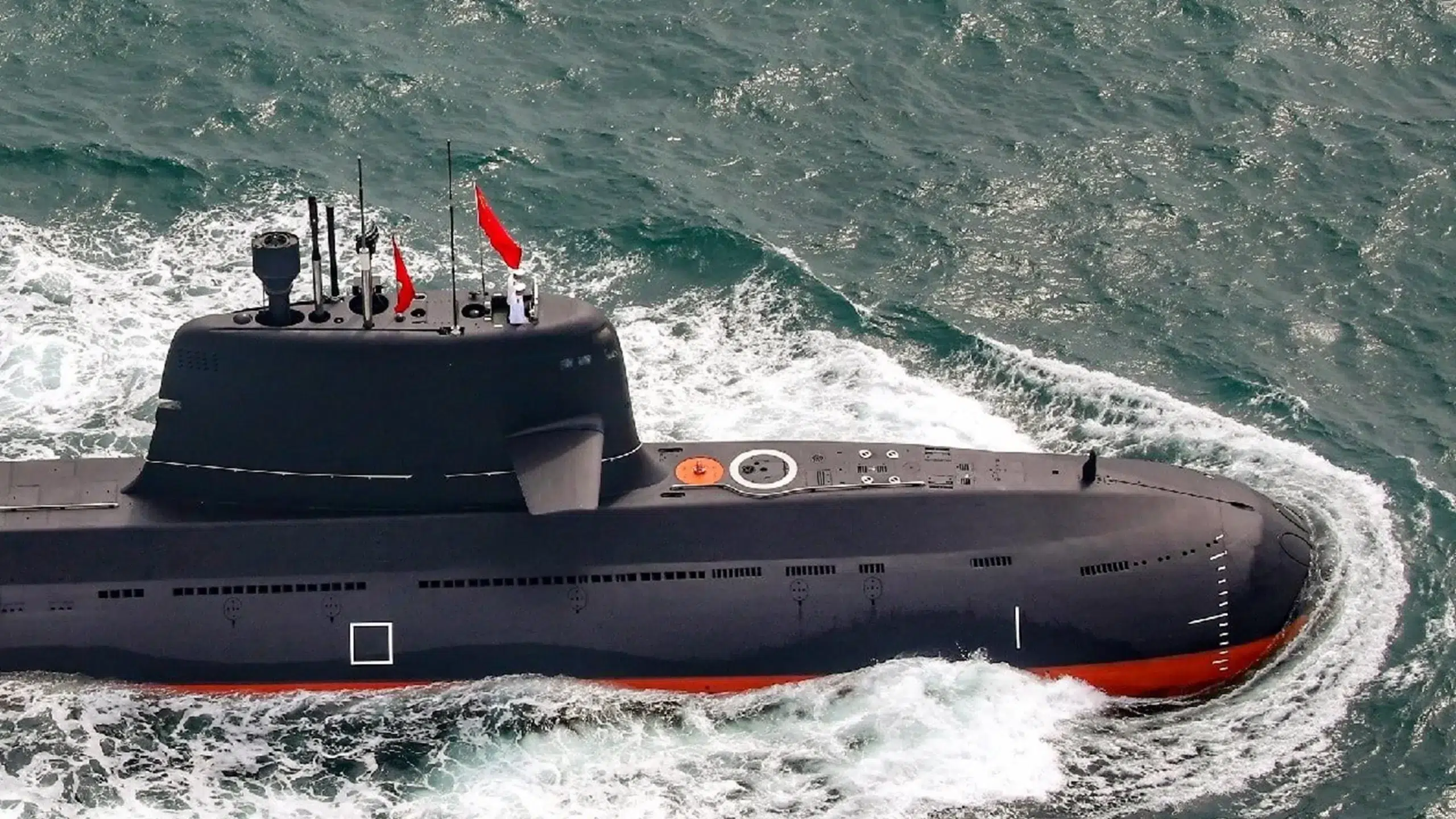
One can reasonably expect the four MILGEM Ada corvettes to supplant the PN’s five Type 21 frigates, and in turn, assume the Type 21’s peacetime sea-control duties and wartime tasks. However, interestingly, in 2017 the PN also confirmed that it ordered one Type 054A frigate from China with an option for another two ships.[13] Overall, this indicates that the process of acquiring new-built surface ships is in motion and that this corvette deal, though it has yet to be inked, is on the PN’s roadmap as a priority item. Basically, it requires new-built surface warships – hence dissuading it from used ships – to comfortably serve for the long-term without escalating maintenance and operating costs resulting from age.
Don't Stop Here. Unlock the Rest of this Analysis Immediately
To read the rest of this deep dive -- including the honest assessments and comparative analyses that Quwa Plus members rely on -- you need access.