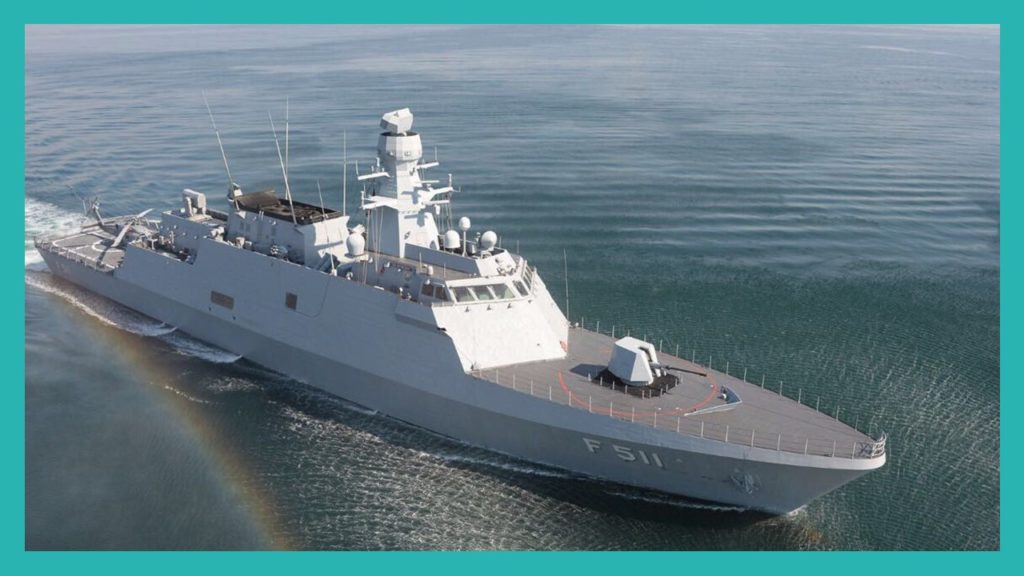
Pakistan has been negotiating with Turkey’s Undersecretariat for Defence Industries (SSM) and its defence contractor – Savunma Teknolojileri Mühendislik ve Ticaret A.Ş. (STM) – for the purchase of four MILGEM Ada corvettes since June 2016. Pakistan had formally requested the corvettes with credit during an official visit by Turkey’s then Minister of Defence (MoD), Fikri Işık. Ultimately, the Pakistan Navy’s (PN) principal goal with this corvette acquisition is to recapitalize its surface fleet, most of which is still composed of old surface combatants, namely five ex-Royal Navy Type 21 frigates and single ex-US Navy FFG-7 frigate (i.e. the PNS Alamgir). However, beneath that self-evident goal are key nuances, each of which is important to acknowledge in order to properly understand why the PN is content with the MILGEM Ada.
This report overviews the history of the PN’s pursuit of this corvette while also outlining relevant details of the MILGEM program. The objective is to analyze the projected impact of these corvettes should they get inducted into the PN fleet. Though a final contrast has not yet been signed, this report will argue that the PN may consider this an indispensable program, albeit in relation to its surface fleet, which itself may not be critical to the PN’s wartime interests (this is also discussed in this report). Ultimately, even with the MILGEM Ada in place, the PN is not planning to change the underlying nature of its surface fleet, which is intended to excel in peacetime sea control, but fulfill a secondary role in wartime.
History of the Pakistan Navy’s Corvette Program
The PN originally began its pursuit for a corvette in 2006. The objective behind its pursuit has not changed – the original aim was to recapitalize the surface fleet with high-quality new-built ships. Like today, the original PN corvette requirement was for four ships. Interestingly, the ship to secure that requirement was the MILGEM Ada. However, the MILGEM Ada was still in development at that time; hence, it was a vote of confidence by the PN in an untested platform. However, as it emerged in recent years, the MILGEM – i.e. short for Milli Gemi or National Warship – Turkey’s government and naval leadership were serious about bringing the MILGEM to fruition and, besides completing the Ada, evolved it into new platforms, such as the I-Class frigate, LF-2400 and CF-3500 (with the first I-Class under construction since 2017).
In 2006, the PN’s scope of options was also relatively wide. In a sense, the MILGEM Ada at that time was an untested quantity. In addition, Pakistan was able to generate commercial interest from leading French and German shipbuilding companies, both of which were pining to secure a conventional submarine deal from the PN. It would have been a logical option to package the submarines and corvettes together, which could incentivize the supplier to push for the requisite funding mechanisms and industrial concessions. In 2006-2007, the PN selected the Type 214 from ThyssenKrupp Marine Systems (TKMS) for its requirement of three new air-independent propulsion (AIP)-equipped submarines.[1] Thus, the TKMS MEKO-series could have amounted to genuine competition, especially considering that Berlin was willing at that time to offer credit to back the PN Type 214 deal.[2] However, the Type 214 and corvette programs collapsed in the end.
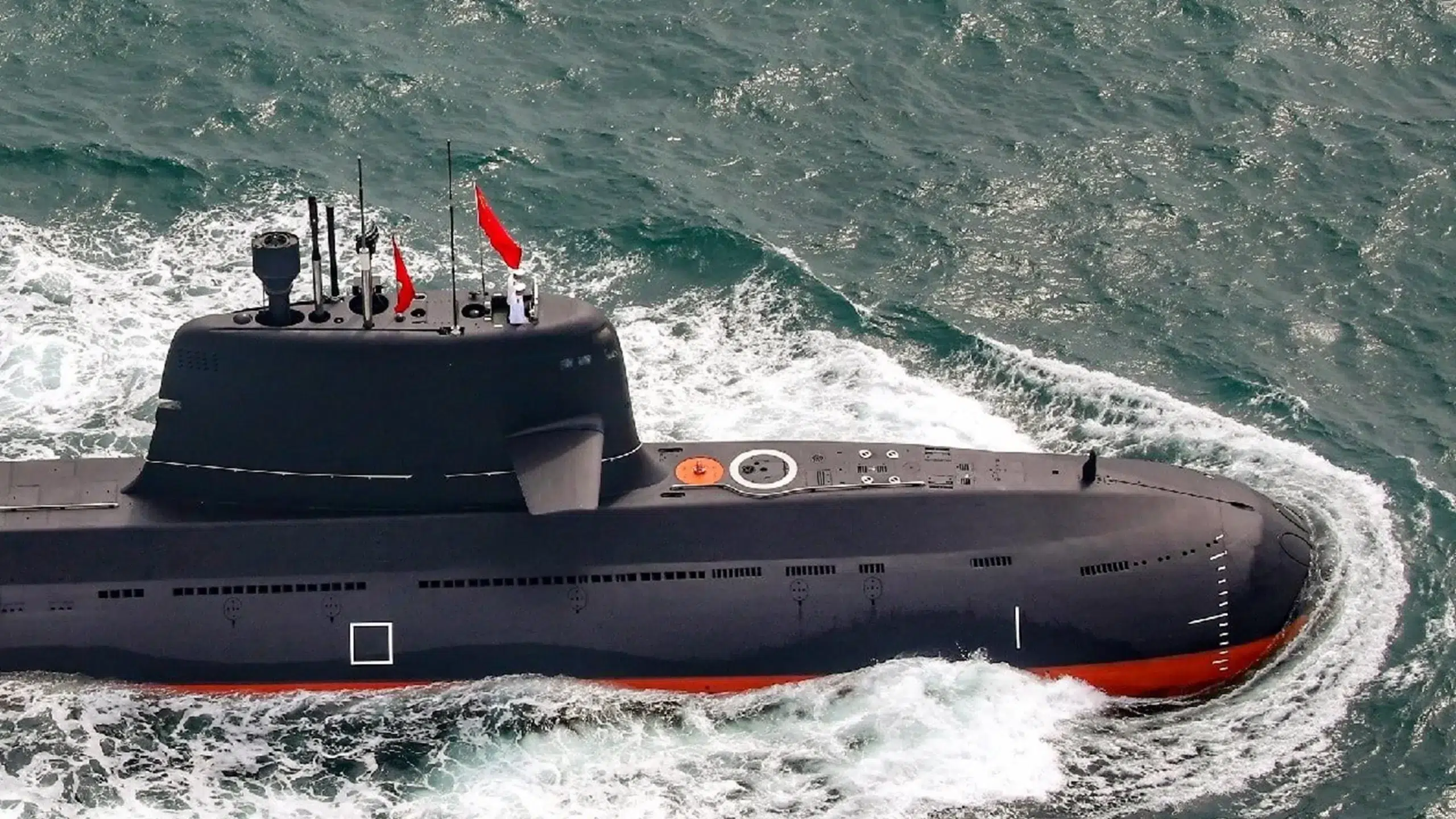
The PN’s pursuit of the MILGEM Ada ended by 2009-2010 due to a paucity of funding and the Government of Pakistan’s need to impose austerity measures on public funding to meet specific fiscal discipline goals set with the International Monetary Fund (IMF). In 2010 the PN also ordered four Azmat-class fast attack crafts (FAC) from China Shipbuilding and Offshore International Company Limited (CSOC). Described FACs, each of these ships has a displacement of 560 tons and have complete anti-ship warfare (AShW) capability – the third and fourth Azmat-class FACs can even deploy the Harba dual-AShM/land-attack cruise missile (LACM). Thus, the Azmat-class FACs provided the PN with improved AShW capabilities suitable for an anti-access and area-denial (A2/AD) mission profile at $50 million US per ship.[3]
Quwa Plus
Go Beyond the Headlines on Pakistan’s Defence and Security.
Quwa Plus gives you deeper reporting, briefings, and analysis on Pakistan’s defence programs, foreign policy, national security, and regional strategy. Follow the developments that matter to professionals, analysts, and serious readers tracking Pakistan’s security landscape.
Join ($29.99/Year) Already a subscriber?Sign in