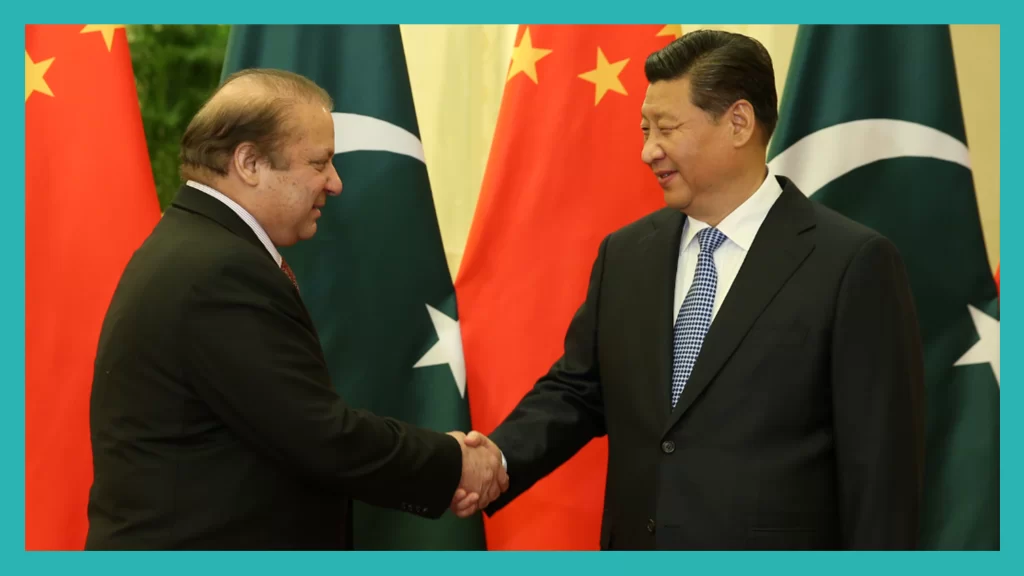
Signed in 2015, many among the Pakistani intelligentsia had perceived that the China-Pakistan Economic Corridor (CPEC) was a watershed moment for their country. The prevailing thought was that CPEC would herald an enormous and positive economic shift for Pakistan. It was even pegged at one point as China’s own “Marshall Plan” for Pakistan and, via its wider Belt and Road Initiative, many other developing states.
However, by 2019, the reality had dawned in Pakistan that CPEC was not delivering on the hopes people had for the program. Rather, CPEC did not herald an economic transformation in Pakistan, but it beset the country with more debt and underutilized infrastructure.
Today, key international organizations, such as the International Monetary Fund (IMF), want Pakistan to rein in CPEC activity due to the debt load the initiative is adding to the country’s beleaguered fiscal state. Should Pakistan persist with CPEC programs, the IMF expects visibility on the program’s terms.
So, what went wrong? Why did CPEC ‘fail’ to deliver on the hopes Pakistani intelligentsia had for the much-celebrated and anticipated initiative? Did China ‘fail’ in creating its own “Marshall Plan?”
CPEC Was Flawed, but Not Necessarily Malicious
Certainly, one can expect some among Pakistan’s intelligentsia to be weary of the Chinese, at least from an economic collaboration standpoint. Given how CPEC added to some of Pakistan’s fundamental fiscal woes (most notably debt), suspicion of Beijing is an understandable response.
However, CPEC’s failure is not due to Chinese maliciousness or selfishness. Rather, CPEC failed because it was fundamentally too big a program for either Beijing or Islamabad to properly handle. The lack of ability here is not from an implementation standpoint, but rather, a fundamental issue: Incomplete vision.
To understand this point, one must briefly visit the actual Marshall Plan.
Get Timely Pakistani Defence News
Unmatched depth on the JF-17, Project Azm, Hangor submarine, Babur, Fatah, and more. Be the first to know about Pakistan's next-gen UAVs, USVs, and emerging platforms.