
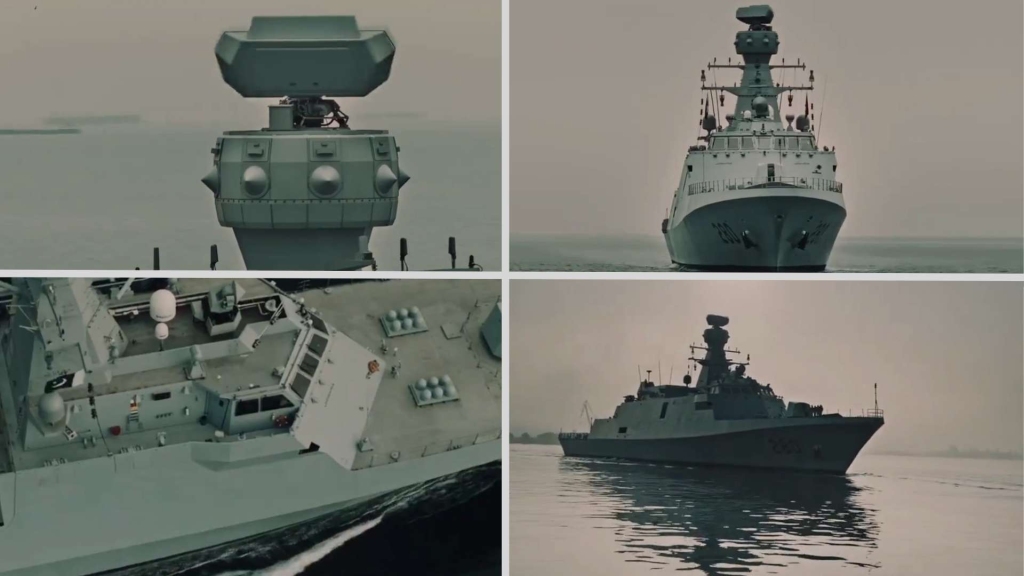
ASFAT A.S. (Military Factory and Shipyard Management) announced that the Pakistan Navy’s (PN) lead MILGEM corvette – PNS Babur – has set sail to join the PN fleet. PNS Babur was launched from Istanbul Naval Shipyard (INSY) for sea trials in August 2021. It was originally scheduled for delivery in 2023. INSY had cut the ship’s steel in September 2019.
Stay up to date with the latest Pakistani defence news with reliable research and accurate forecasting
Click Here
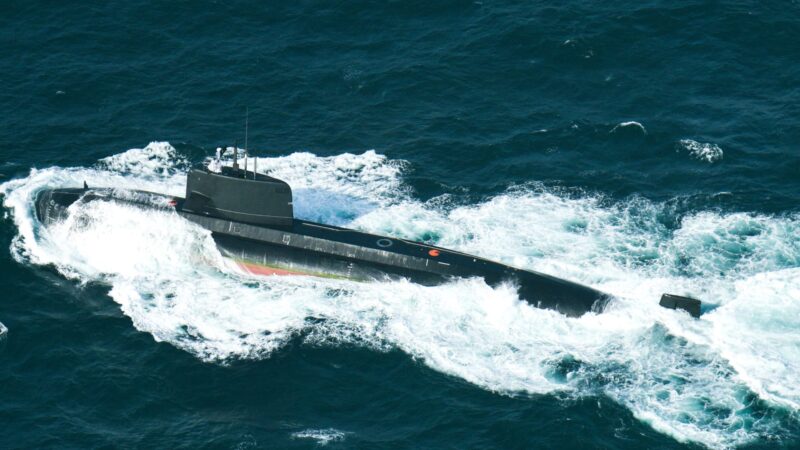
Therefore, the Babur-class corvette – alongside the upgraded Zulfiquar-class (F-22P) frigate – will likely play a specific role, potentially anti-access and area-denial (A2/AD) in near-shore environments. These ships are capable ASW and AAW assets, which would pair with the long-range anti-ship warfare (AShW) capabilities of the Azmat-class fast attack craft (FAC) system, especially FAC(M)-4, which can leverage the Harbah AShM. The Babur-class’ AAW coverage (via the Albatros-NG) can cover a range of over 45 km and serve as a credible option against enemy aircraft, drones, and missiles.
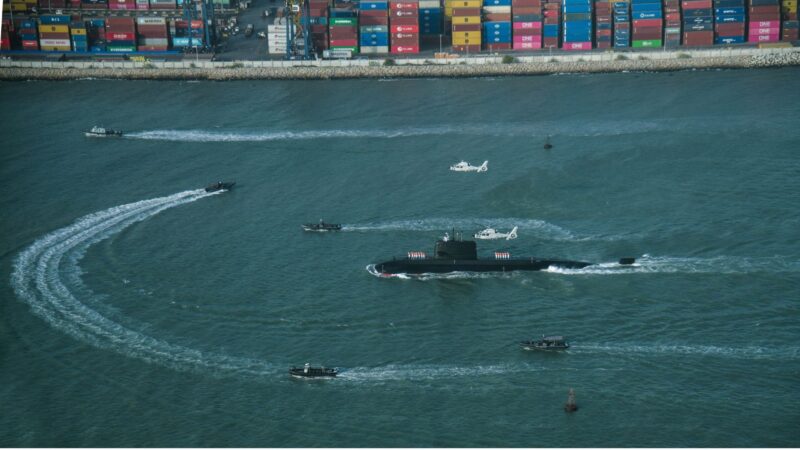
Collectively, the Babur-class corvette, Zulfiquar-class frigate, and Azmat-class FAC would provide the PN with its surface-based A2/AD element. This will be complemented by a sub-surface A2/AD capability via the shallow-water attack submarine (SWATS) program, which the PN may further extend with the use of unmanned underwater vehicles (UUV). In addition, the PN will also station coastal AShM batteries, such as the Zarb; this may be complemented by the Harbah, supersonic CM-302, and/or P282 ASBM. There are also rumours of the PN inducting a land-based version of the Albatros-NG SAM system.
Hence, it is apparent that the PN is heavily investing in its near-shore and littoral A2/AD capabilities with many different – and highly capable – assets. The Babur-class corvette could play a focal role as both a key AAW asset at sea, but potentially a command ship to help manage the PN’s near shore surface as well as sub-surface and aviation assets. In parallel, the PN’s larger surface and sub-surface assets will operate farther away in open waters, thereby providing Pakistan with a relatively comprehensive – if not regionally-assertive – naval presence, especially on the western side of the Arabian Sea.
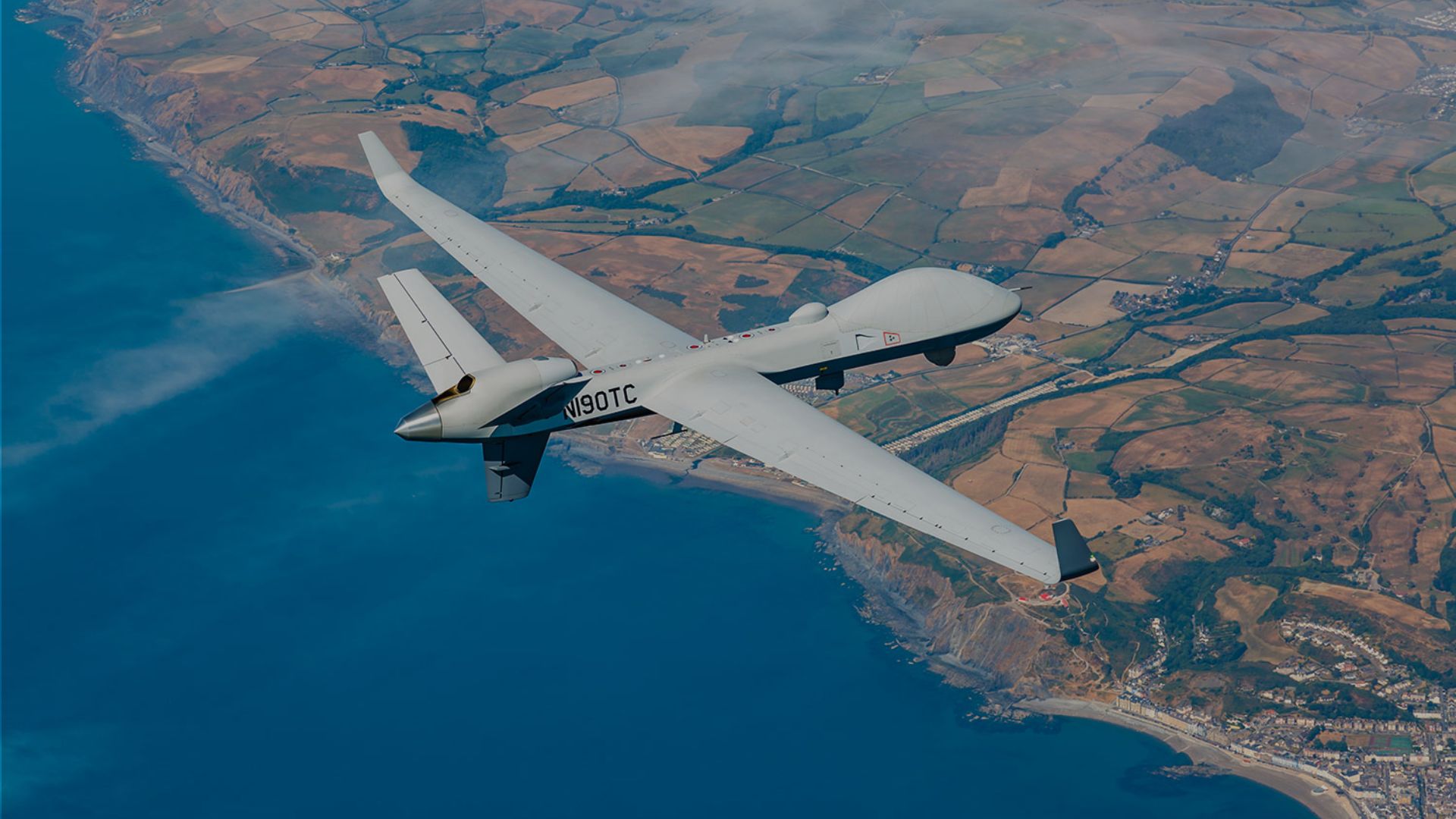
If all of these programs materialize, the next chapter in the PN’s roadmap would likely focus on strategic and power-projection assets. There seems to be an internal push to induct a dedicated nuclear platform for “assured second-strike capability.” However, with the PN involving itself in multi-national initiatives – such as the Coalition Task Force (CTF) – and setting up its own regional maritime patrols, it appears to have an interest in overt forms of projection, albeit at a more benign level (e.g., collaborating with other navies in the region). Hence, the PN may seek to build upon this with a dedicated asset, like a landing platform deck (LPD), that can put it at the core of coalition operations, such as humanitarian assistance and disaster relief (HADR). Such a vessel could also be used to manage drone operations as well as a variety of niche mission roles (e.g., hydrographic survey, intelligence gathering, etc).
The challenge with such projection assets is the ongoing operational cost. Therefore, the military value and strategic benefit of this system would have to outweigh its expenses. However, if an innovative LPD design supports both outward projection (e.g., HADR) and next-generation operations, like coordinating surface, sub-surface, and aerial drone operations, then it may be a justifiable luxury. Hence, a platform similar to the Damen Multi-Purpose Support Ship (MPSS) could be of interest to the PN.
Quwa Plus
Go Beyond the Headlines on Pakistan’s Defence and Security.
Quwa Plus gives you deeper reporting, briefings, and analysis on Pakistan’s defence programs, foreign policy, national security, and regional strategy. Follow the developments that matter to professionals, analysts, and serious readers tracking Pakistan’s security landscape.
Join ($29.99/Year) Already a subscriber?Sign in