
On 02 July, Russia said that it destroyed five Ukrainian Air Force Su-27 Flanker fighter aircraft by using the Iskander-M tactical ballistic missile (TBM). The TBM strikes took place at Myrhorod airfield, which is located in Ukraine’s central Poltava region.
Though Russia’s claims are disputed by Ukraine, it still seems that the Russian military is finding success in its use of TBMs against Ukraine, notably the latter’s high-value targets (HVT), such as its airbases. In fact, Russia appears to specifically be targeting parked or stationary combat aircraft with its TBMs, hence speaking to a wider strategy of using the relatively low-cost munition to neutralize high-cost assets.
Not only are the strikes proving effective in depleting Kyiv’s air combat capabilities, but it also casts into question whether Ukraine is capable of protecting its forthcoming Western fighters, like the F-16. At the same time however, Russia is also vulnerable to similar action from Ukraine, which aims to use ballistic missiles, like the GM-140 Army Tactical Missile System (ATACMS), against the Russians.
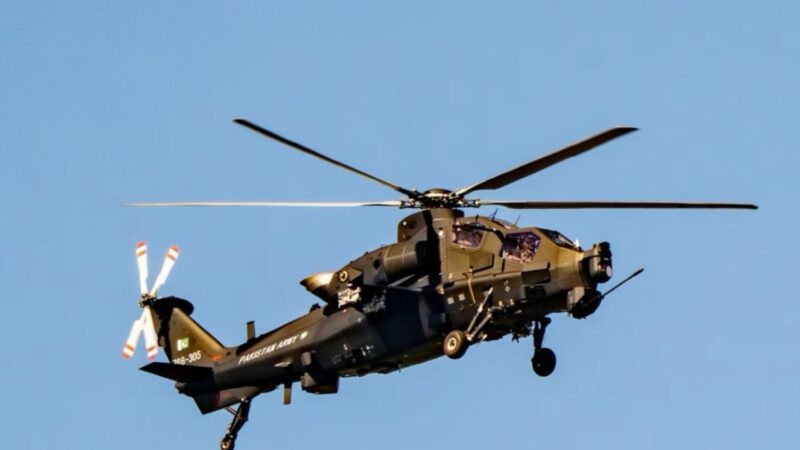
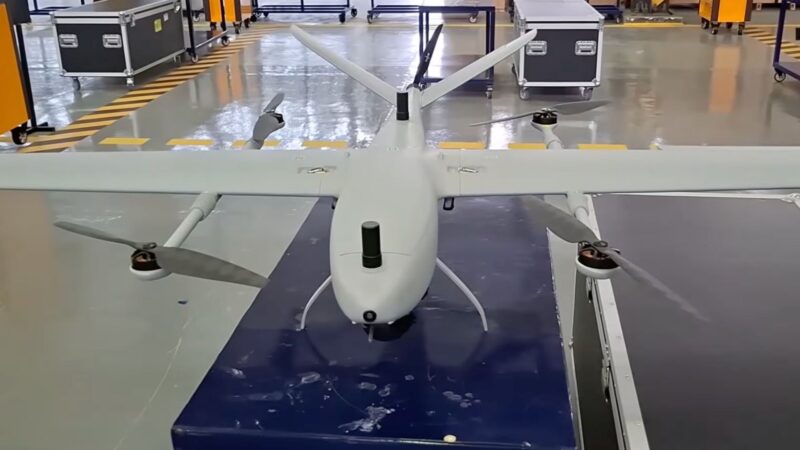
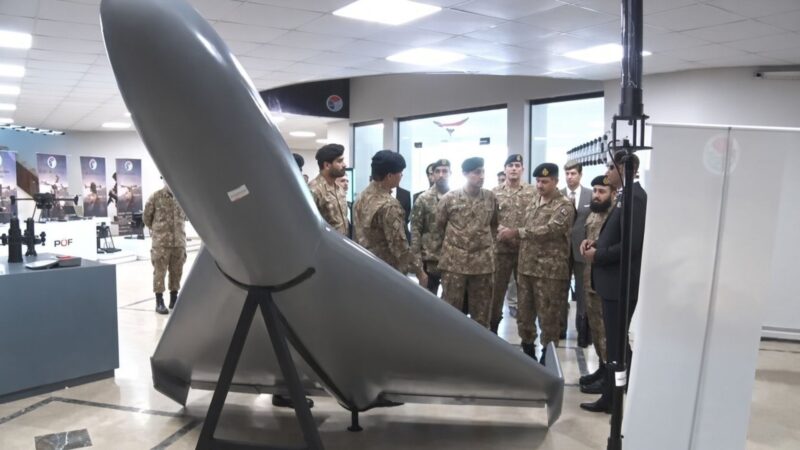
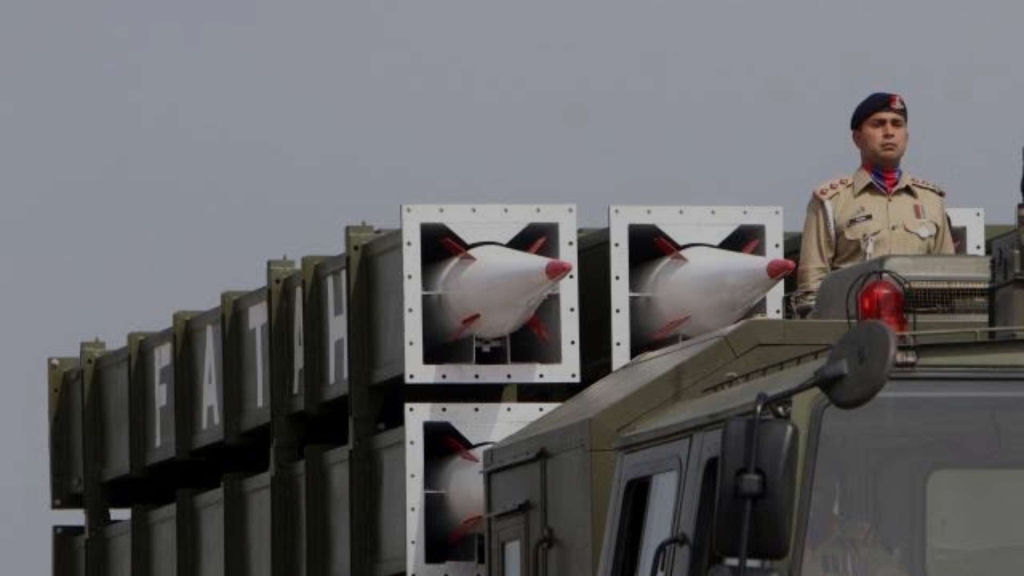
Ultimately, like many dynamics of this war, the Russia-Ukraine conflict is generating key lessons for other countries, including Pakistan. In fact, it seems that Pakistani security planners are using the war to shape their own procurement roadmaps. For example, Pakistan is pushing for local munitions production with the goal of manufacturing its own air-to-air missiles (AAM) and surface-to-air missiles (SAM). It is also working on a comprehensive loitering munitions strategy that extends from grenade-sized weapons to miniature air launched cruise missiles (ALCM). Pakistan is also building a dense multi-layered air defence system with long- and medium-range SAMs. Finally, it is also adding precision-guided rockets, including TBMs, into its strike mix, thereby acquiring long-range attack capabilities from air and land.
Quwa Plus
Go Beyond the Headlines on Pakistan’s Defence and Security.
Quwa Plus gives you deeper reporting, briefings, and analysis on Pakistan’s defence programs, foreign policy, national security, and regional strategy. Follow the developments that matter to professionals, analysts, and serious readers tracking Pakistan’s security landscape.
Join ($29.99/Year) Already a subscriber?Sign in