On November 24 the Pakistan Air Force (PAF) Chief of Air Staff (CAS) Air Chief Marshal (ACM) Sohail Aman conducted an official visit to Polish Armaments Group (Polska Grupa Zbrojeniowa: PGZ) to discuss bilateral industrial cooperation in the aviation sector.
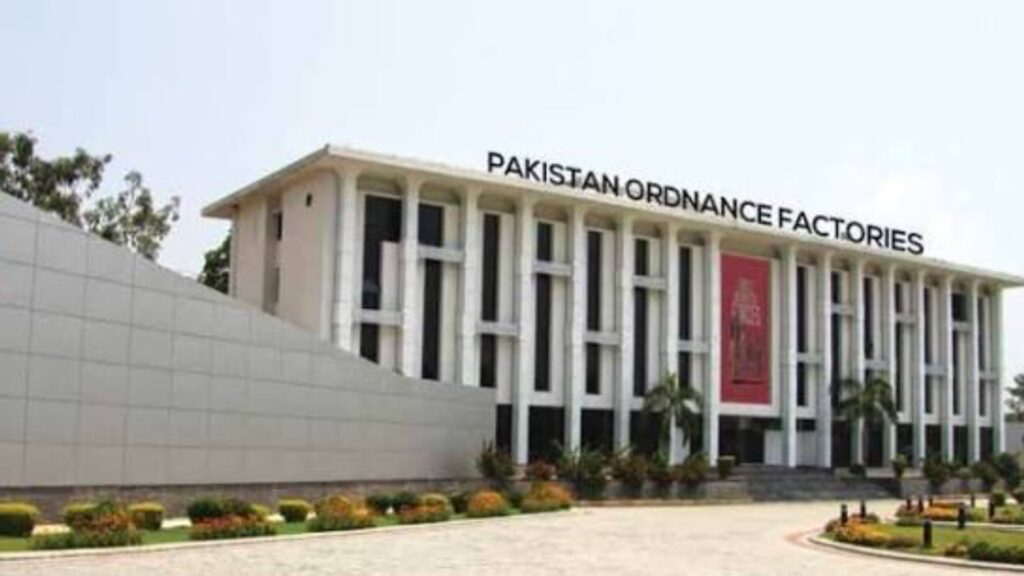
The PAF CAS’ visit follows the official visit of Pakistan Ordnance Factories (POF) Chairman Lt. Gen. Umar Farooq Durrani in mid-November, during which the POF head met with Poland’s leading small arms and ammunition manufacturers, such as Fabryka Broni “Łucznik” Radom.
Go deeper into the defence market.
Research on procurement, emerging technology and the industry behind the news.
Notes & Comments:
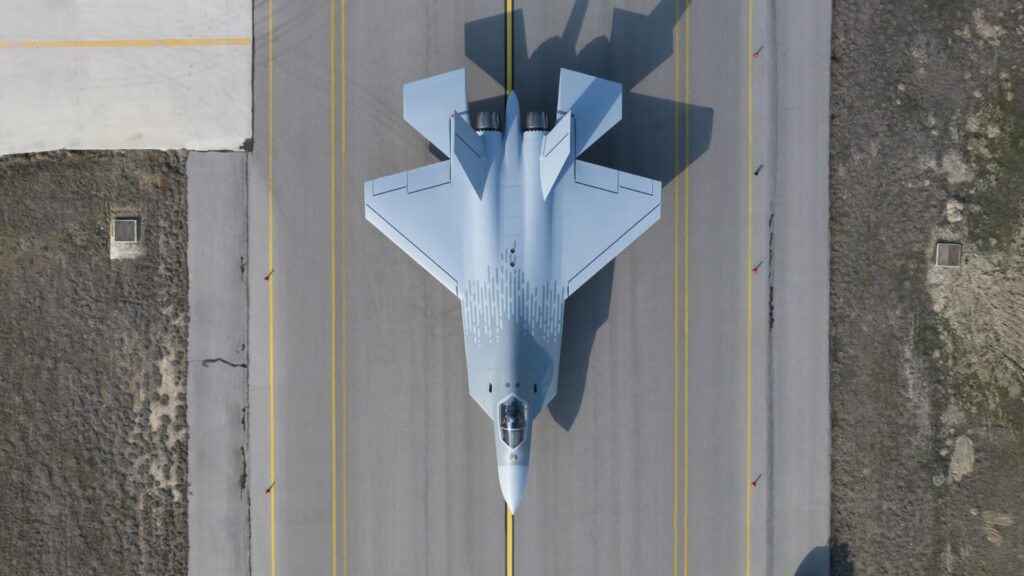
It is possible that ACM Sohail Aman’s visit was in relation to the Kamra Aviation City initiative, which was launched in July with the aim of facilitating the development of a medium-altitude long-endurance (MALE) unmanned aerial vehicle (UAV) and 5th-generation fighter aircraft for the PAF. Recently, PAC also outlined its intention to manufacture a civil commuter aircraft with a seating capacity of 10 to 30 passengers.
The PAF could view Poland – along with China, Turkey, South Africa and Ukraine – as a potential source for capacity building, be it in terms of developing human capital (e.g. scientists and engineers), domestic industry inputs for aerostructures and electronics, and aircraft design guidance.
PGZ has companies specializing in fixed and rotary-wing aircraft maintenance and overhaul, the development and production of radars – including active electronically-scanned array radars (e.g. BYSTRA) – and UAV production. Poland is also experienced in developing and manufacturing helicopters, including domestic programs, such as the PZL Swidnik W-3 and SW-4. The PAF is hopeful of enabling PAC to expand or undertake work in each of these areas, PGZ could be a source of support in various areas.
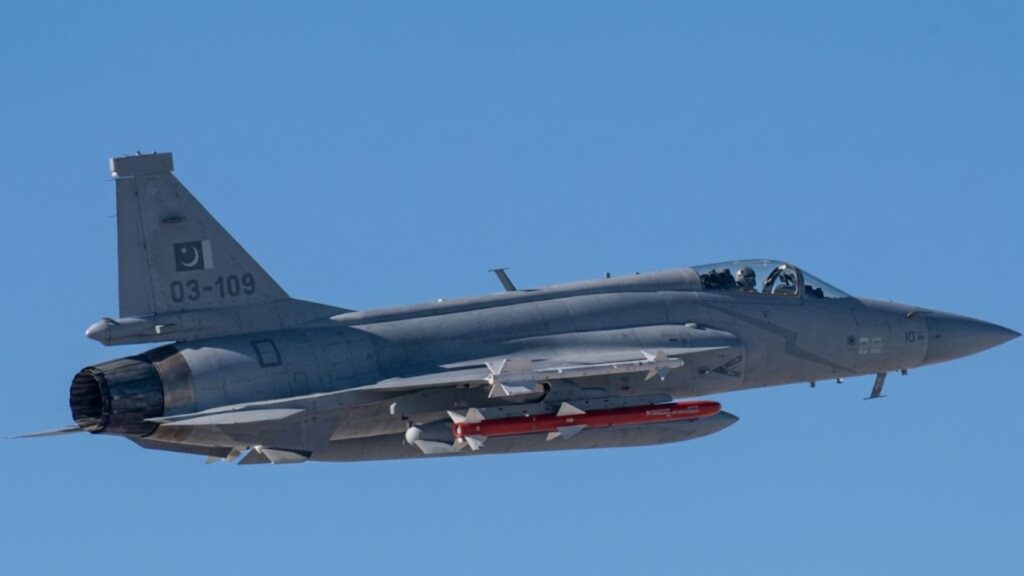
In an interview in 2016, ACM Sohail Aman strongly messaged that supply-side independence was a critical objective of the PAF’s next-generation fighter program. However, the present reality of Pakistan’s aviation sector, which has only begun aircraft production work through the JF-17, necessitates significant and long-term investment in technical research and development (R&D) and industry development it to efficiently support the PAF’s vision. Overseas support, be it direct technical assistance or less immediate inputs such as human capital development, could be sought to help the PAF with its vision.