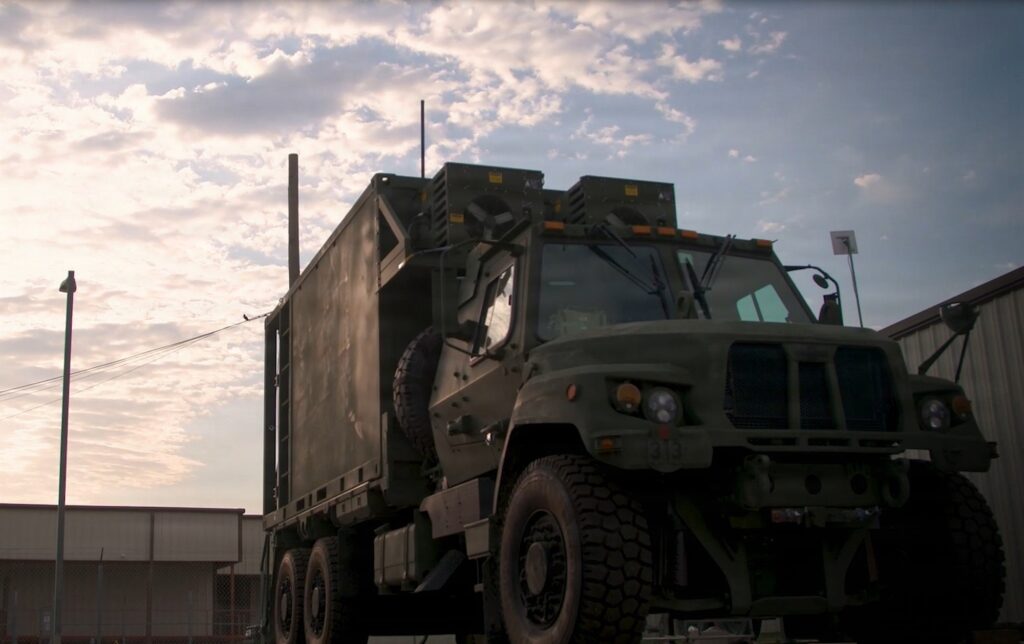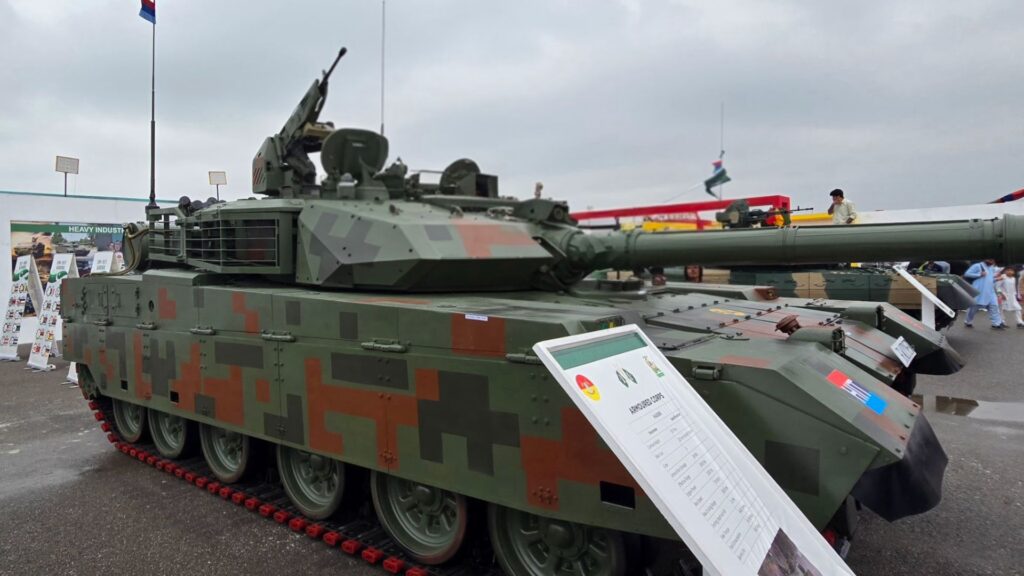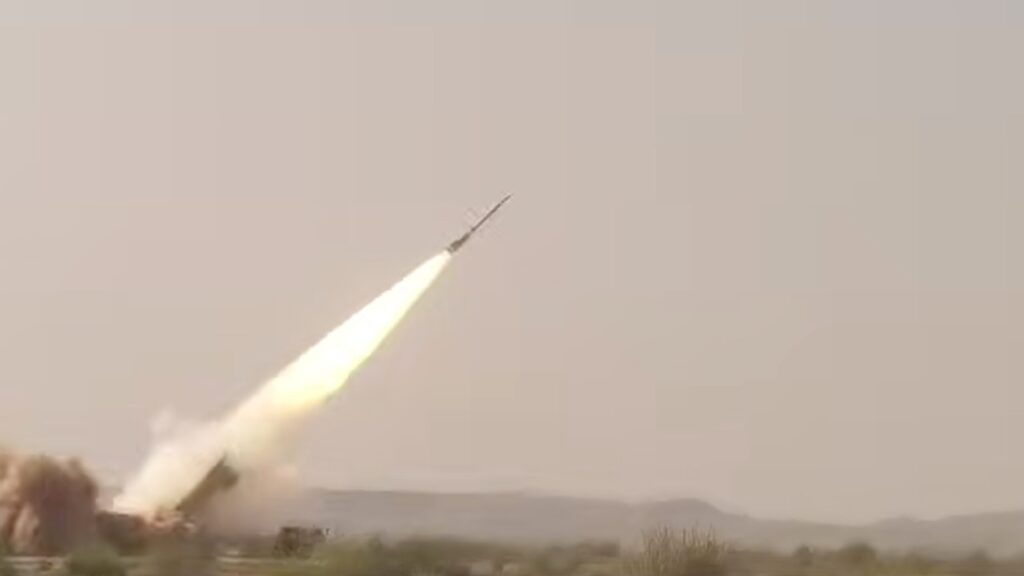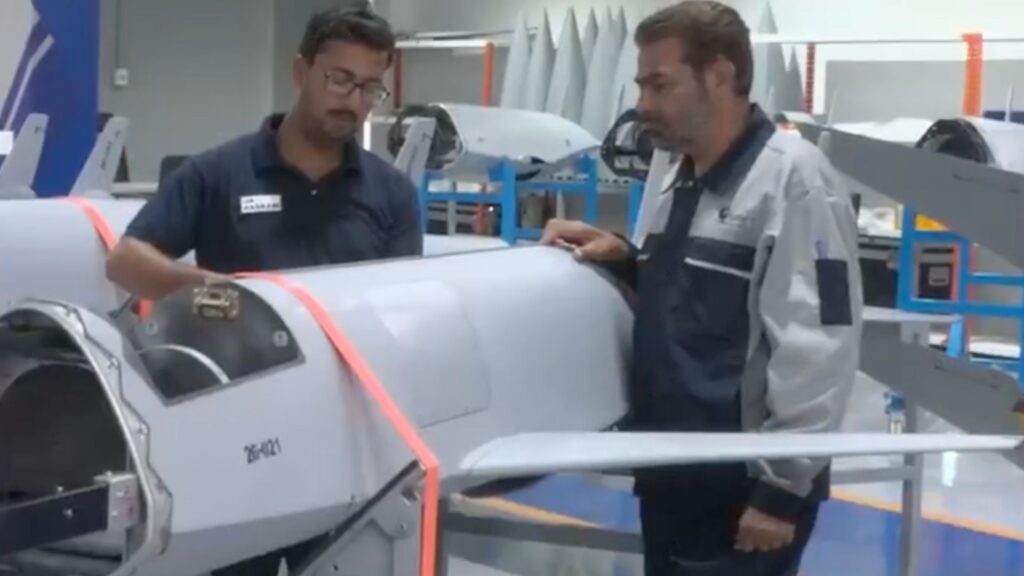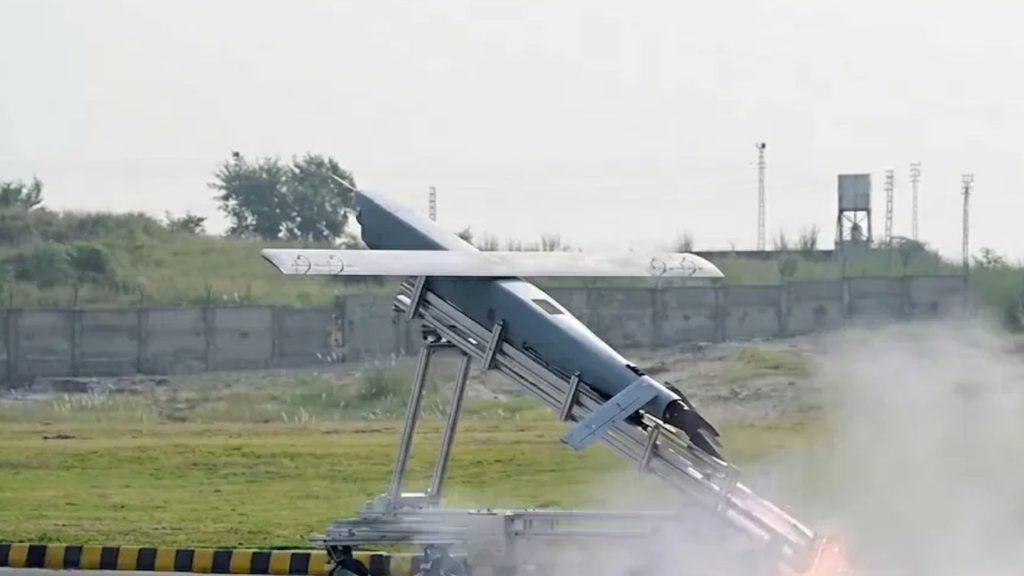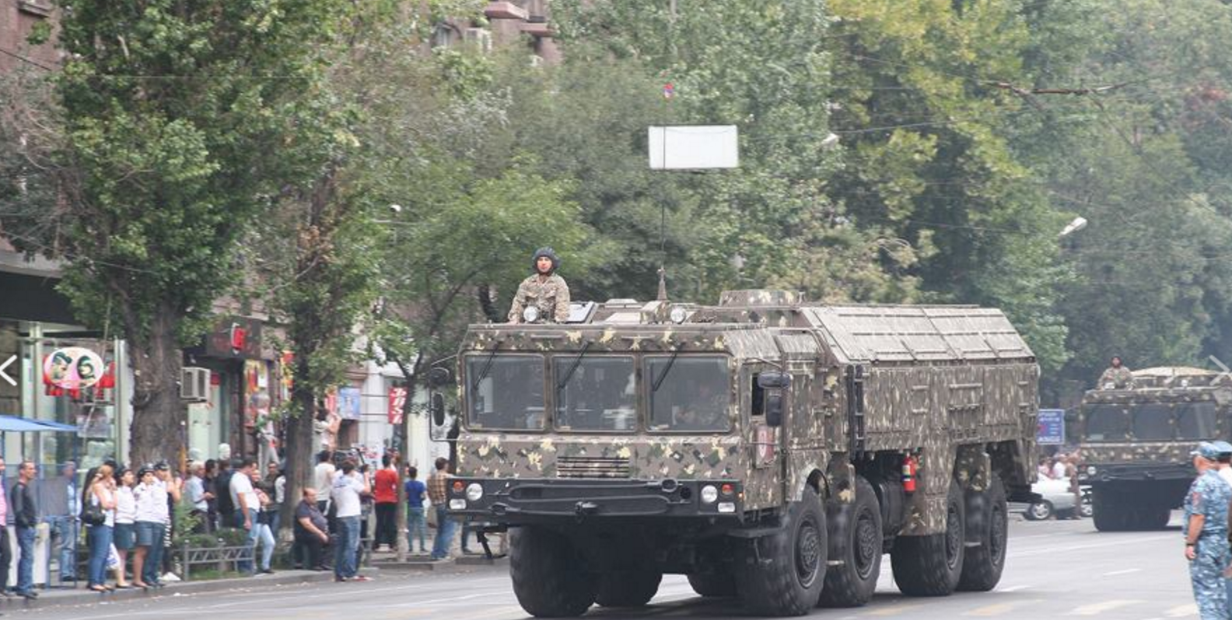
Armenia showcased its Iskander-E short-range ballistic missiles (SRBM) on its Independence Day parade, which took place on 21 September.
According to IHS Jane’s, Armenia had also revealed its possession of 9K58 Smerch 300 mm multiple-rocket launcher systems (MRLS) and Buk surface-to-air missile (SAM) system (which was implied through a show of its transporter-erector-launcher or TEL system).
Go deeper into the defence market.
Research on procurement, emerging technology and the industry behind the news.
The Iskander-E (the export variant of the SRBM) possesses a stated range of 280 km and a 480 kg warhead. With a stated accuracy of 10 metres circular error probable (CEP), it is likely that the Iskander-E’s guidance system is comprised of an inertial navigation system (INS) supported by satellite navigation and possibly even Terrain Contour Matching (TERCOM) for terminal homing.
Notes & Comments:
While the Iskander-E’s range and payload parameters are within the confines of the Missile Technology Control Regime (MTCR)’s export limitations, the relative impact of the Iskander-E in the context of Armenia’s rivalry with Azerbaijan is significant. In effect, Armenia has a long-range stand-off strike asset.
It appears that Armenia is focusing on defensive and asymmetrical offensive capabilities as a means to deter Azerbaijan, which has organized its offensive capabilities on more conventional lines (by relying on multi-role combat aircraft such as the MiG-29).
While Armenia does not possess a noteworthy air force (beyond close air support aircraft and helicopters), it does have a robust air defence network comprised of long and medium-range SAMs (S-300 and Buk, respectively). It must be noted that Russia has stationed a MiG-29 squadron in Gyumri.
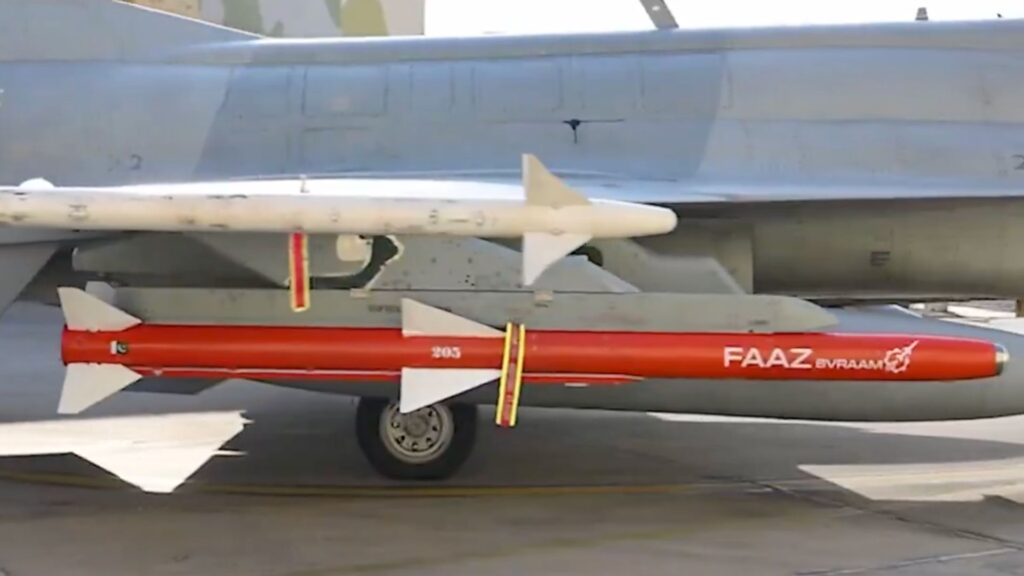
Unless Azerbaijan invests in multi-role fighters with sophisticated electronic warfare (EW) and stand-off strike capabilities, the offensive value of its air force is limited. (Note: In another respect, this could also be an opportunity for Pakistan in its efforts to market the JF-17 Thunder).
Interestingly, Moscow is flexible in supplying both sides, so it would not be out of the question to one day see Azerbaijan possess the Iskander-E. In fact, Azerbaijan’s Minister of Defence Industry Yaver Jamalov stated that a 280km-range SRBM design will be produced in Azerbaijan in the near future. It is possible that Mr. Jamalov was referring to the Iskander-E. This could be a sign that Azerbaijan will tailor its own offensive doctrine to mirror that of Armenia.