
Introduction
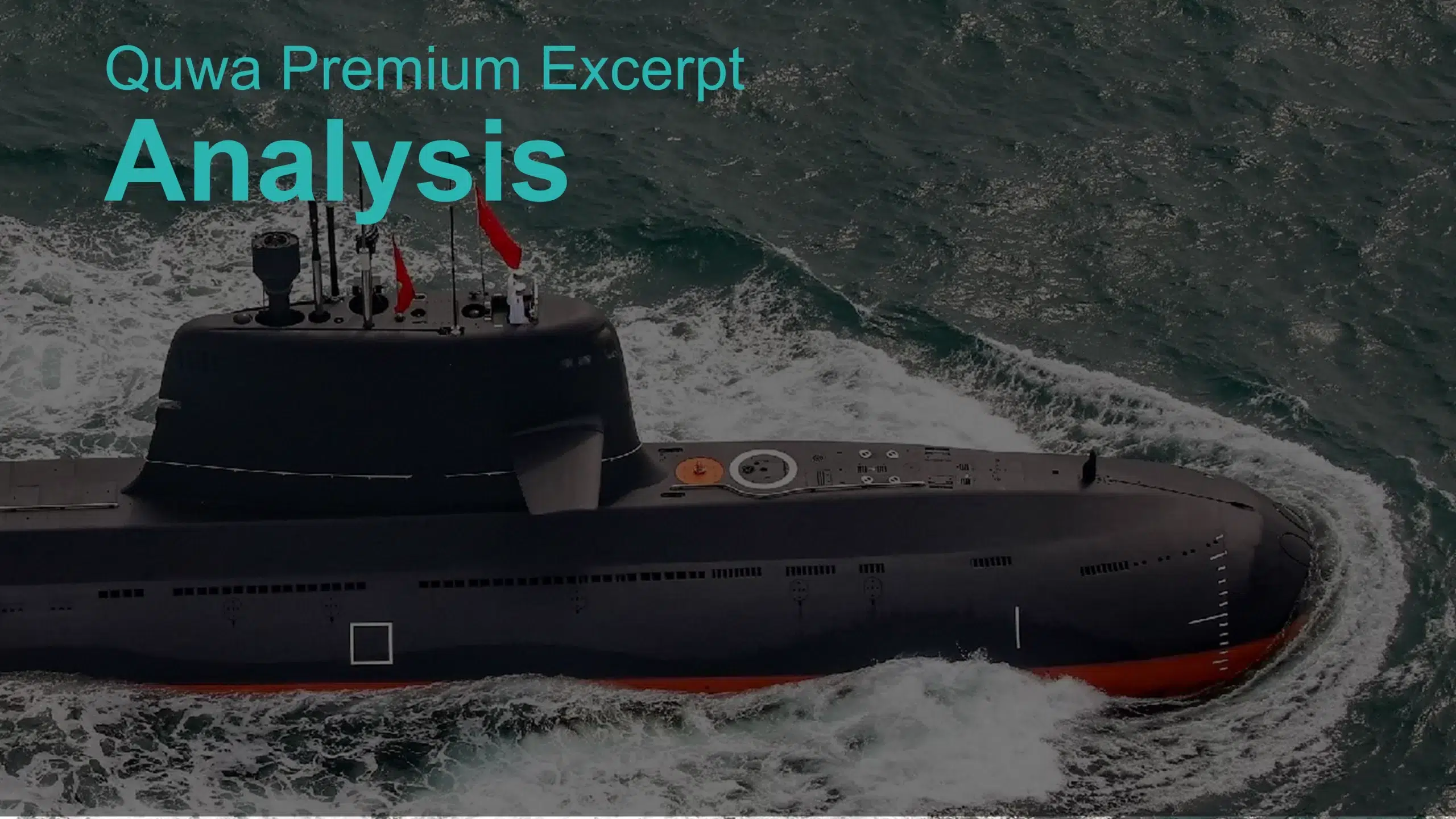
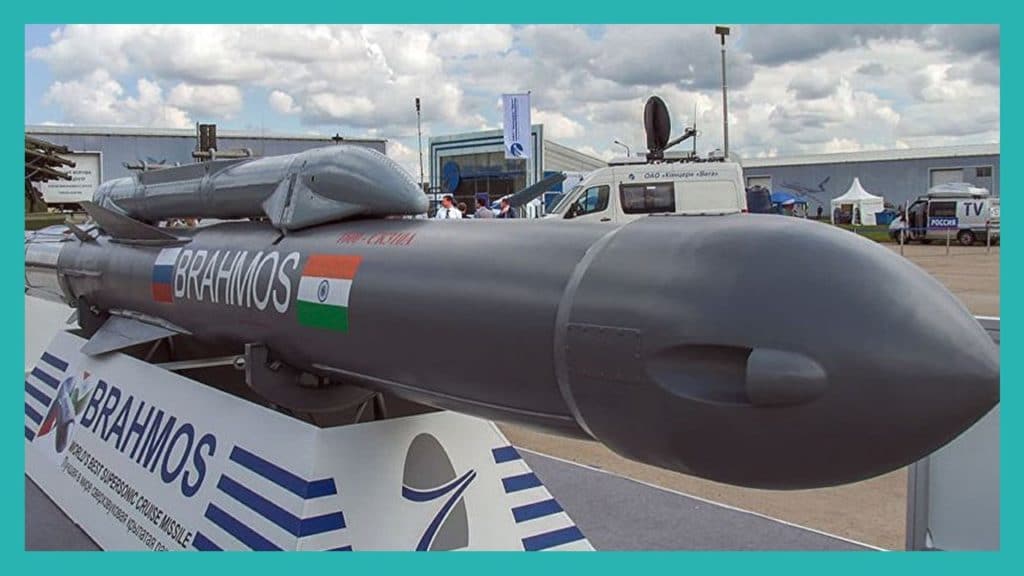
Jointly developed, marketed and produced by Russia and India, the BrahMos is a supersonic anti-ship cruising missile (ASCM). Weighing 2,500 kg and with an engagement range of 450 km, the Brahmos is one of India’s mainstay stand-off range weapons. India can deploy the BrahMos from surface warships and land, aircraft and submarines, making this ASCM a versatile asset – and for Pakistan, a credible threat.
Simply put, the BrahMos confers India the ability to (1) engage time-sensitive targets (TST) – e.g. moving ships or vehicles – by leveraging a near Mach 3 cruising speed (i.e. around 3,700 km/h, a standard subsonic ASCM a one-third this speed or less) and (2) heavily pressure surface ship and land-based point air defence systems and require the defending side to expand its missile-counter umbrella.
Both factors are relevant to Pakistan: the dissemination of the BrahMos within each of India’s service arms (i.e. Army, Air Force and Navy) will put Pakistan’s surface-based delivery platforms (e.g. fast attack crafts and land-based missile launchers) and other high-value targets – e.g. infrastructure – under threat.
There is also the commercial advantage of possessing a scarcely available product in a supersonic ASCM, especially one capable of sustaining that flight speed for the duration of its flight. While not relevant to Pakistan from a threat-perception aspect, the proliferation of the BrahMos – and its analogous counterparts – will provide potent anti-access and area-denial (A2/AD) capabilities to countries whom the Indians and Russians are willing to sell, e.g. Southeast Asian, Middle East and African militaries
However, for Pakistan the relevant issue is that the BrahMos requires each of Pakistan’s service arms to (1) develop or acquire adequate defensibility measures and (2) consider acquiring analogous capabilities (i.e. their own supersonic cruising missile platform) to help support its conventional deterrence profile. Unfortunately, there are limitations – even on the market in general (much less Pakistan’s fiscal limitations) – which will show that “countering” the BrahMos may be an unreasonable expectation from a defensibility standpoint. Pakistan’s emphasis may be placed on acquiring an analogous solution in an effort to shore-up conventional deterrence.
Quwa Plus
Go Beyond the Headlines on Pakistan’s Defence and Security.
Quwa Plus gives you deeper reporting, briefings, and analysis on Pakistan’s defence programs, foreign policy, national security, and regional strategy. Follow the developments that matter to professionals, analysts, and serious readers tracking Pakistan’s security landscape.
Join ($29.99/Year) Already a subscriber?Sign in