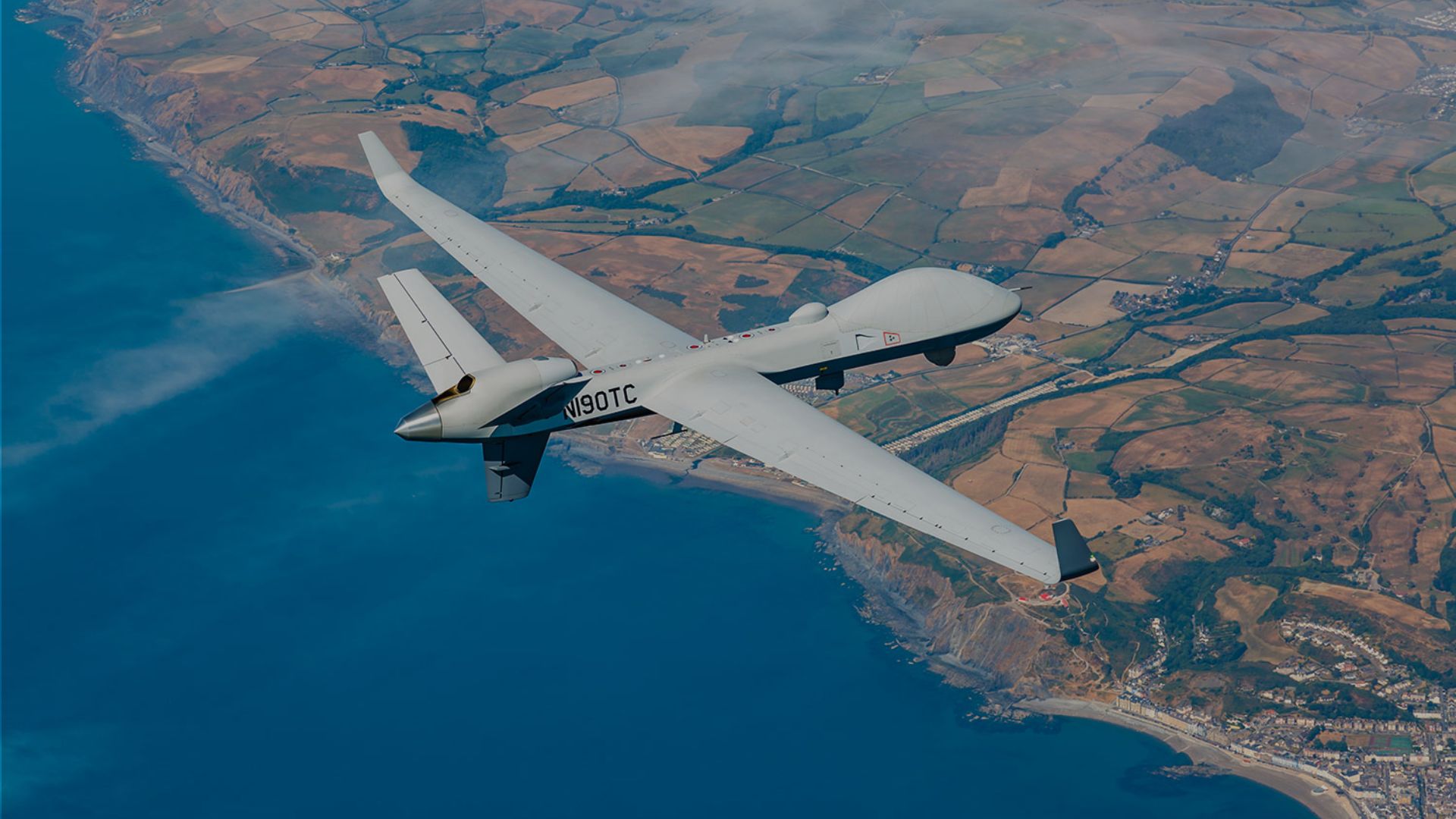

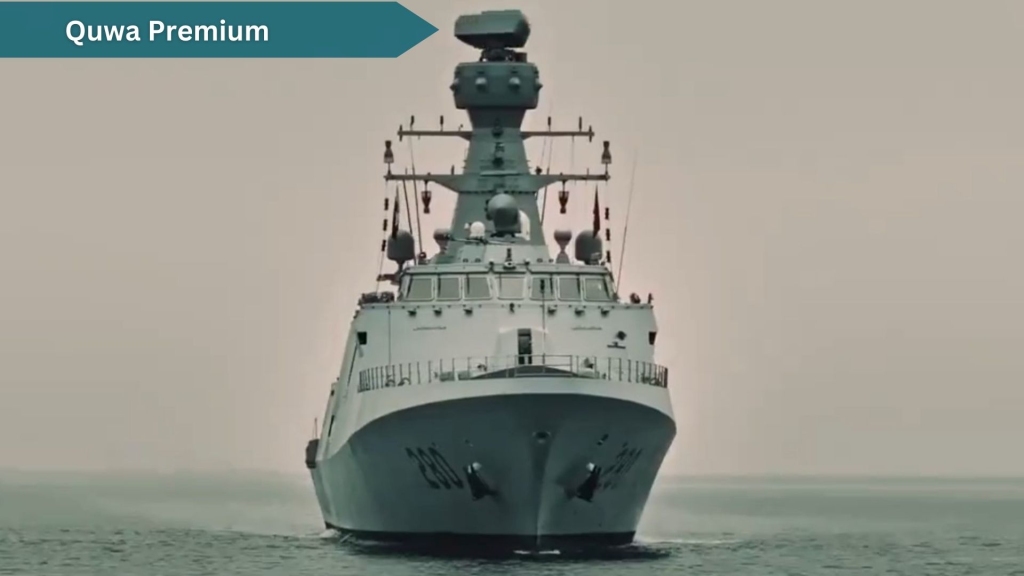
One of the central attributes of the Pakistan Navy’s (PN) ongoing modernization effort is its push for original projects, such as the Jinnah-class frigate and Sea Sultan long-range maritime patrol aircraft (LRMPA), among others.
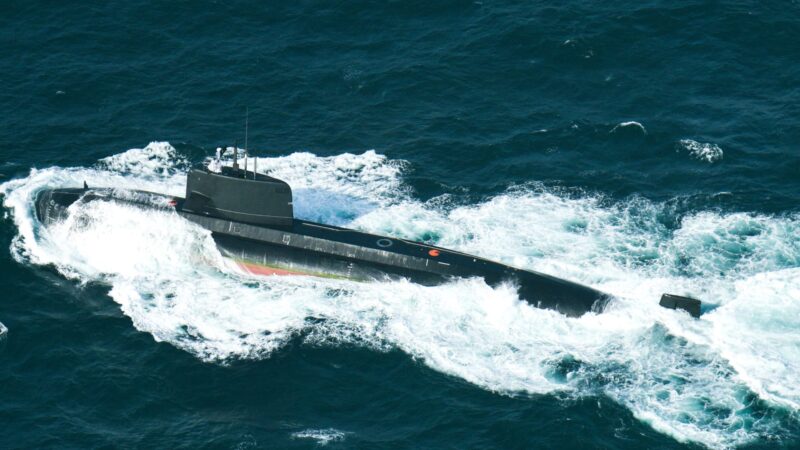
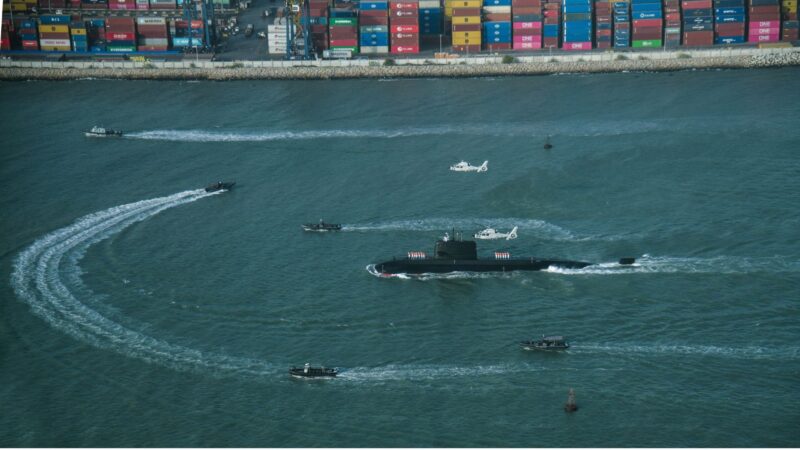
This statement was made about the forthcoming induction of the Hangor-class (S26) submarine from China. Under the contract signed with China in 2015, Karachi Shipyards and Engineering Works (KSEW) was to build four of the eight boats. These KSEW boats are under production.
However, while related to the Hangor-class submarine project, the then CNS’ statement was also more far-reaching. It implied that following the Hangor program, the PN will build – if not also design – its submarines in the future.
This ambition aligns with the PN’s wider approach to naval procurement, which is to leverage original designs for future workhorse requirements. The PN is executing this approach for its next wave of frigates and maritime patrol aircraft, so the idea of extending it towards a future submarine program is plausible, if not likely.
The MoU with Fincantieri could signal a move forward for the PN’s next-generation sub-surface programs. For example, Fincantieri has been promoting its S800 design to the PN for the latter’s SWATS requirement. Based on what Quwa was told about the PN’s SWATS program, it seemed the S800 largely aligned with the original requirements, which specified a displacement of about 700 tons, the inclusion of an air-independent propulsion (AIP) system, and integration with both electronic intelligence (ELINT) and special operations equipment.
Quwa Plus
Go Beyond the Headlines on Pakistan’s Defence and Security.
Quwa Plus gives you deeper reporting, briefings, and analysis on Pakistan’s defence programs, foreign policy, national security, and regional strategy. Follow the developments that matter to professionals, analysts, and serious readers tracking Pakistan’s security landscape.