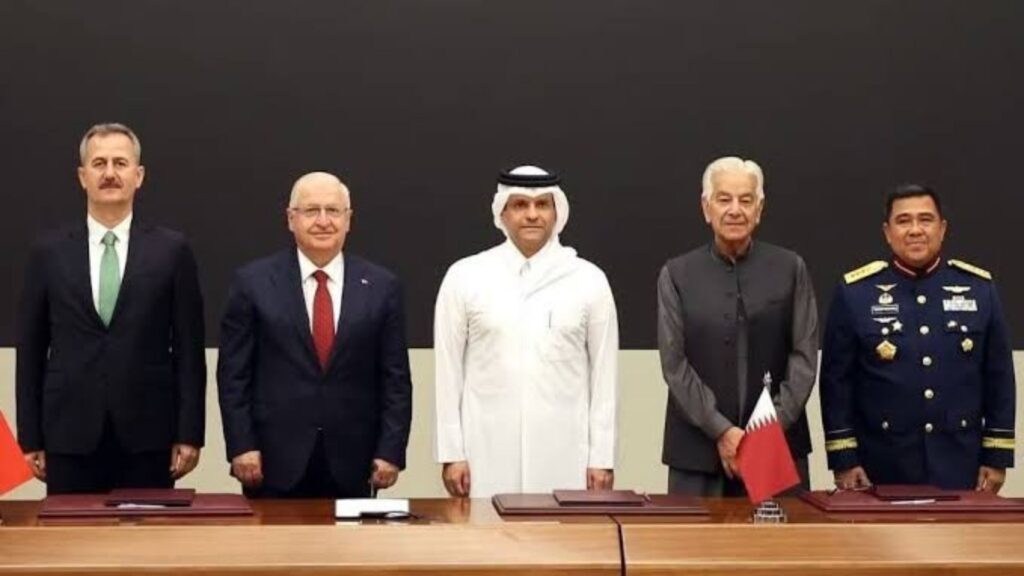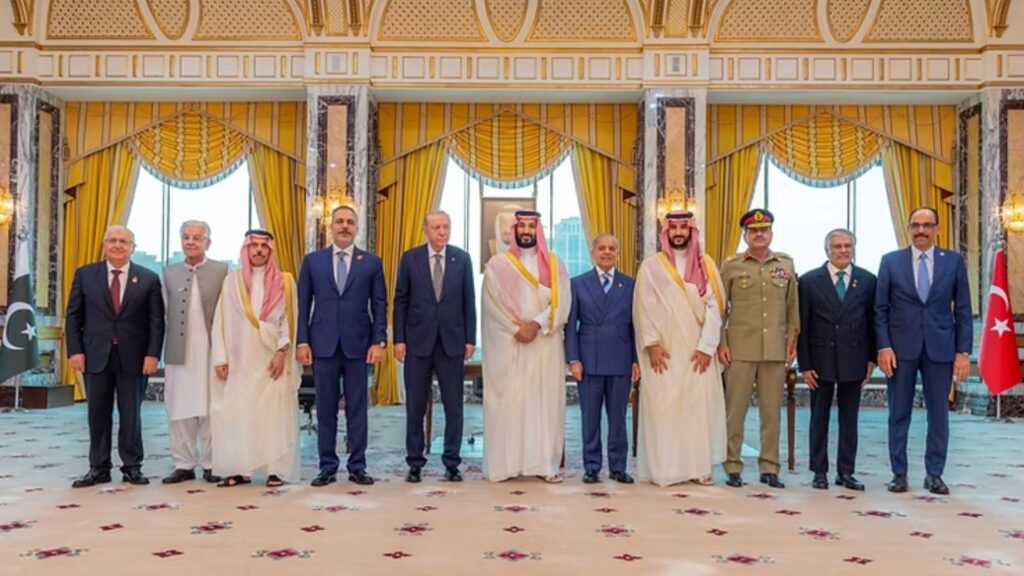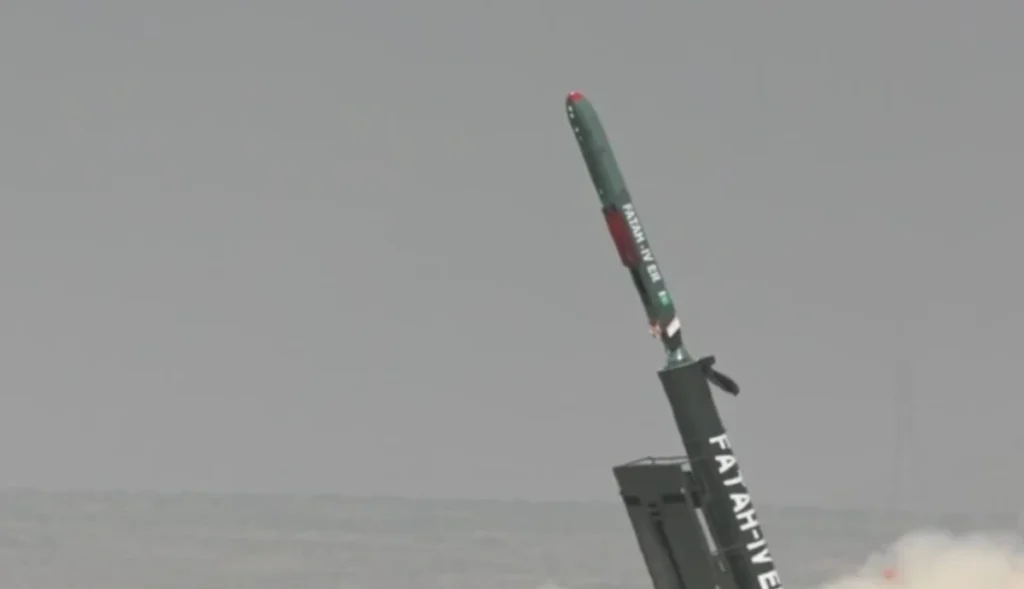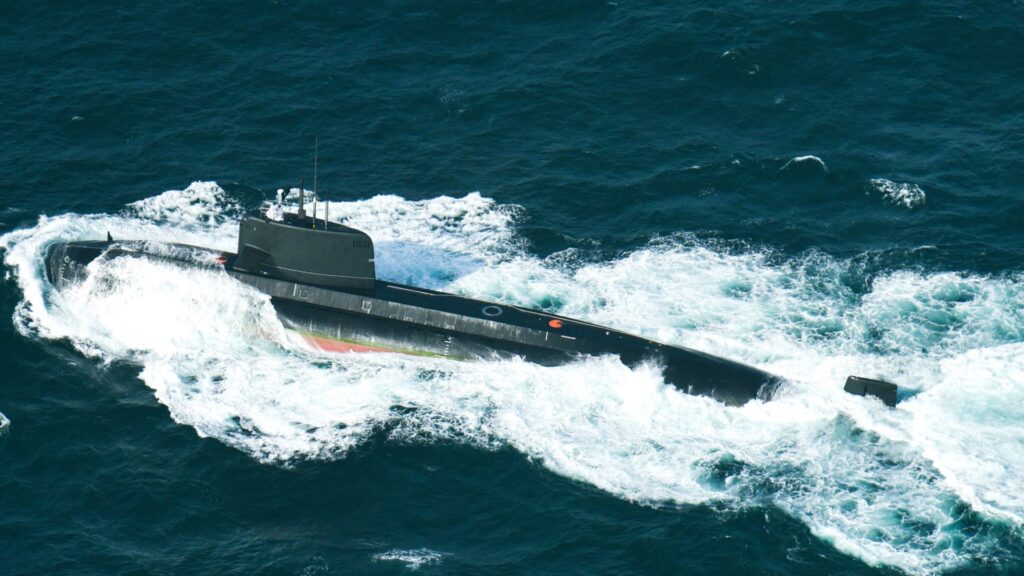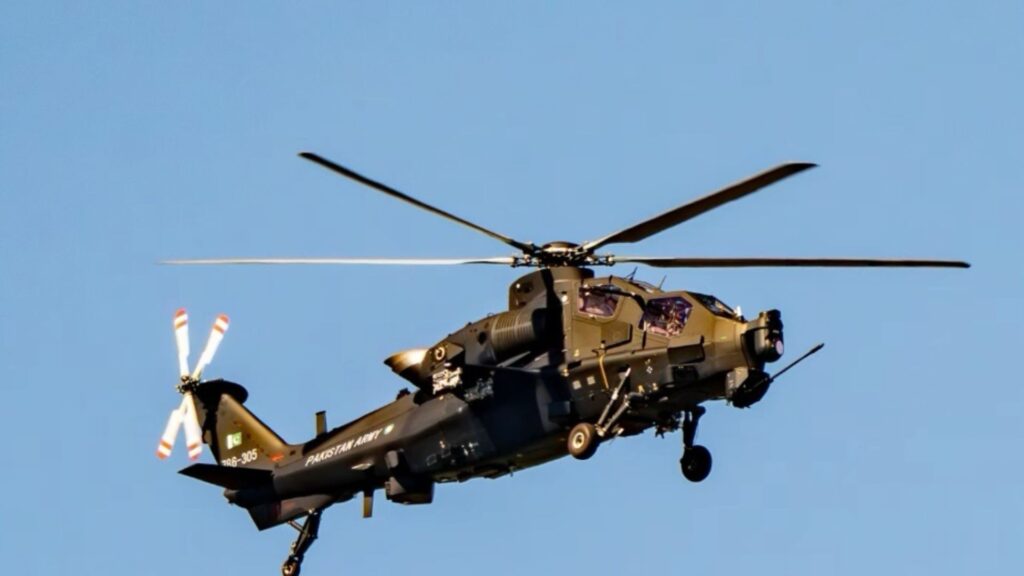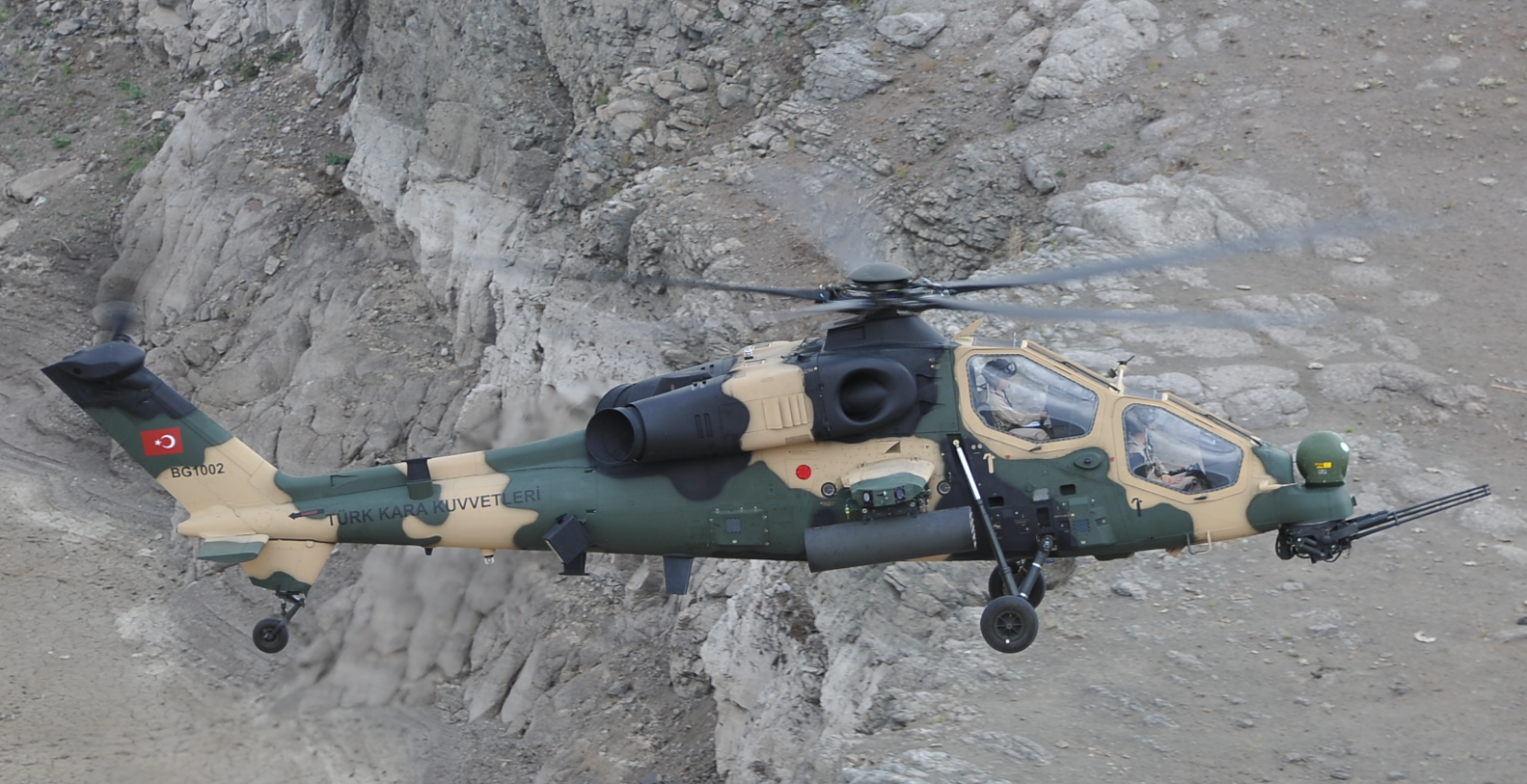
The Turkish defence minister’s visit to Pakistan has been fairly eventful. In addition to Pakistan’s request for four Ada-class corvettes and upgrades for its Agosta 90B submarines, the Pakistan Army is officially evaluating the Turkish Aerospace Industries (TAI) T-129 attack helicopter.
According to Defence Minister Fikri Işık via Hurriyet Daily News, “One of the most important issues between [Turkey and Pakistan] is a deal for T-129 attack helicopters.” In fact, according to Milliyet, a T-129 was actually sent to Pakistan for tests (20-31 May); Defence Minister Işık being positive about the tests, and the prospects of stronger Turkish-Pakistani defence ties in general.
Go deeper into the defence market.
Research on procurement, emerging technology and the industry behind the news.
Comment and Analysis
Like the Ada-class corvettes, Pakistan is no stranger to the T-129. In the late 2000s and early 2010s, the TAI T-129 seemed like a genuine contender for the Pakistan Army’s next generation attack helicopter plans, but a combination of funding constraints as well as murkiness regarding the U.S.’ willingness to clear the T-129’s turboshaft engines for sale to a third party put a dampener on that front.
In 2015, the Pakistan Army ordered 15 Bell Helicopters AH-1Z Vipers instead. Of course, most should be able to see that depending on an American platform, especially from the standpoint of territorial defence against other countries (i.e. not internal counterinsurgency), is not at any level a sustainable path.
An alternative platform would be necessary, especially if the Army is looking to leverage its armed aviation assets for use on the Eastern Front. It is for that reason we believed that the Pakistan Army was looking at the Chinese Z-10 and Russian Mi-28NE.
The presence of the T-129 basically makes that equation complicated – the T-129 is still using an American turboshaft (i.e. LHTEC CTS-800-4A). To be fair, Turkey is eager to have a domestically sourced turboshaft, but that prospect is long-term, at best.
If this ‘alternative platform’ does emerge as the future backbone of the Army Aviation Combat Group, then we cannot expect its decision in the short-term. The Army will be careful in selecting its finalist, and if critical aspects such as domestic maintenance, repair and overhaul (MRO) are factored in (as we hope), then negotiations will take time as well. The cost and timetable will depend on whether the Army intends to position this new platform as its backbone, that is not yet clear to us.