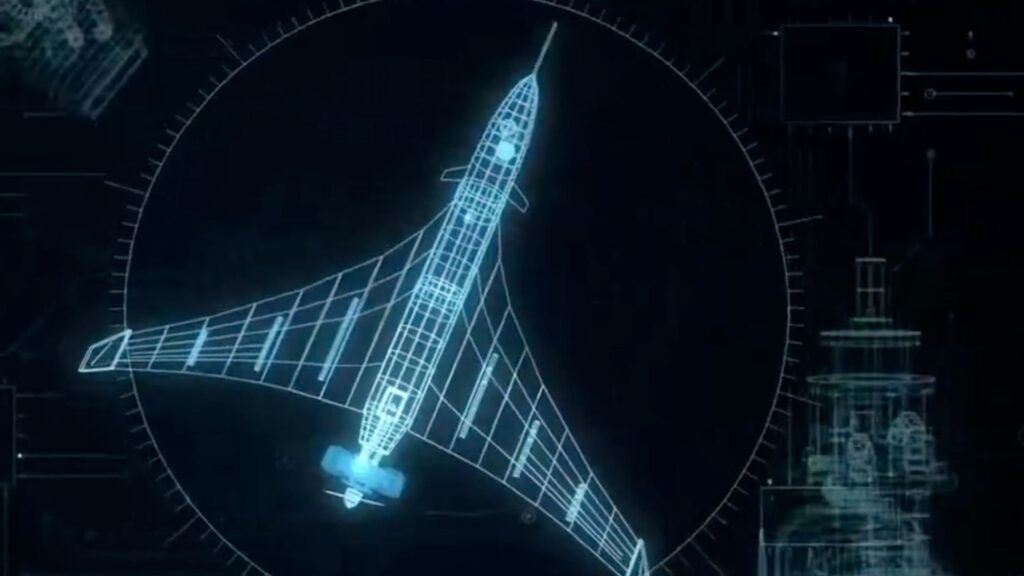
In December 2019, Leonardo UK demonstrated a next-generation radar warning receiver (RWR) platform it is currently developing for the Tempest, a joint European sixth-generation fighter.
RWRs are passive electronic support measures (ESM) systems that enable combat aircraft to recognize as well as identify the source of radar emissions.
Go deeper into the defence market.
Research on procurement, emerging technology and the industry behind the news.
So, in the simplest sense, an RWR-equipped aircraft could pick up whether an enemy aircraft (or surface-to-air missile system) is targeting it. With RWRs a common feature in modern combat aircraft, militaries are increasingly moving towards using low-probability-of-intercept (LPI) radars.
According to Leonardo UK’s press release, the new RWR technology is “four times as accurate as existing sensors in a package 1/10 the size.”
In other words, the new RWR is more capable and more compact than current systems, giving aircraft full-featured ESM without adversely impacting the platform’s weight. Not only does it save on weight in direct terms, but it needs fewer cooling and power requirements as well.
Moreover, Leonardo UK is studying whether it can integrate the new RWR into a “multi-function array,” i.e., a system with sensors distributed around the airframe, allowing it to track and target aircraft, missiles, and other potential threats from all directions.
The UK Ministry of Defence (MoD) tasked Leonardo UK with developing the “Tempest’s sensor package and integrate these sensors onto the platform’s mission system.” The Tempest Consortium is aiming to complete the Tempest program by 2035, and the new generation RWR is on track to achieving that goal.