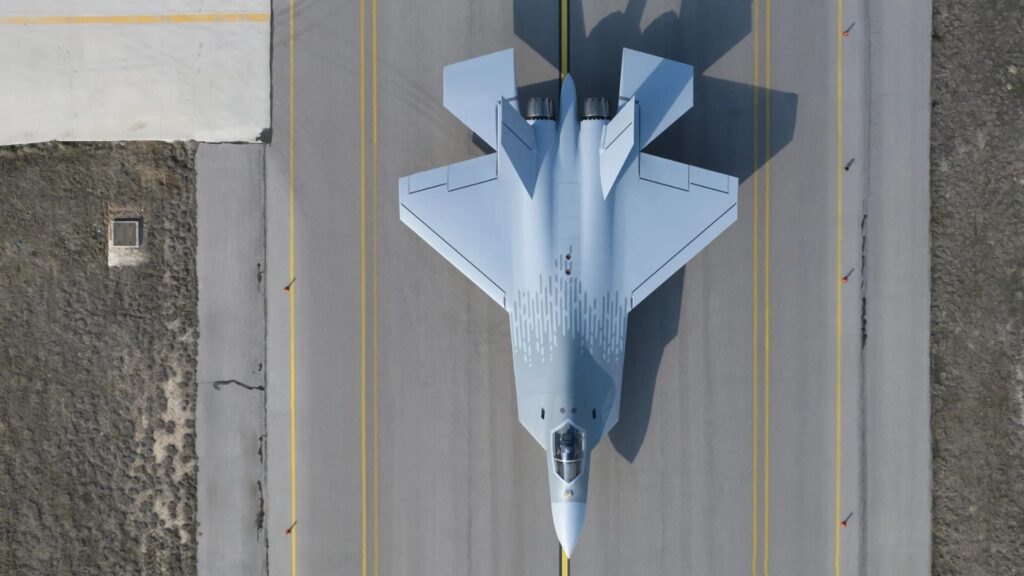
The Indian Navy issued a Request for International (RFI) for 57 multi-role carrier-borne fighters (MRCBF) for its burgeoning aircraft carrier fleet.
Besides mandating the transfer-of-technology for manufacturing in India and access to the platform for custom weapons and sub-systems configuration, the RFI inquires of the prospective candidate’s ability for short take-off but arrested recovery (STOBAR) and catapult-assisted take-off but with arrested recovery (CATOBAR) operations, the latter cementing the Indian Navy’s plans for a CATOBAR carrier.
Go deeper into the defence market.
Research on procurement, emerging technology and the industry behind the news.
This RFI follows the Indian Navy’s earlier decision, made in December 2016, to not proceed with using the naval variant of the Hindustan Aeronautics Limited (HAL) Tejas on the INS Vikrant, the Navy’s forthcoming aircraft carrier (being built in India). The Navy citied the Tejas’ inability to operate from ski-jump launches when fully armed and fuelled as the main factor in its decision.
Notes & Comments:
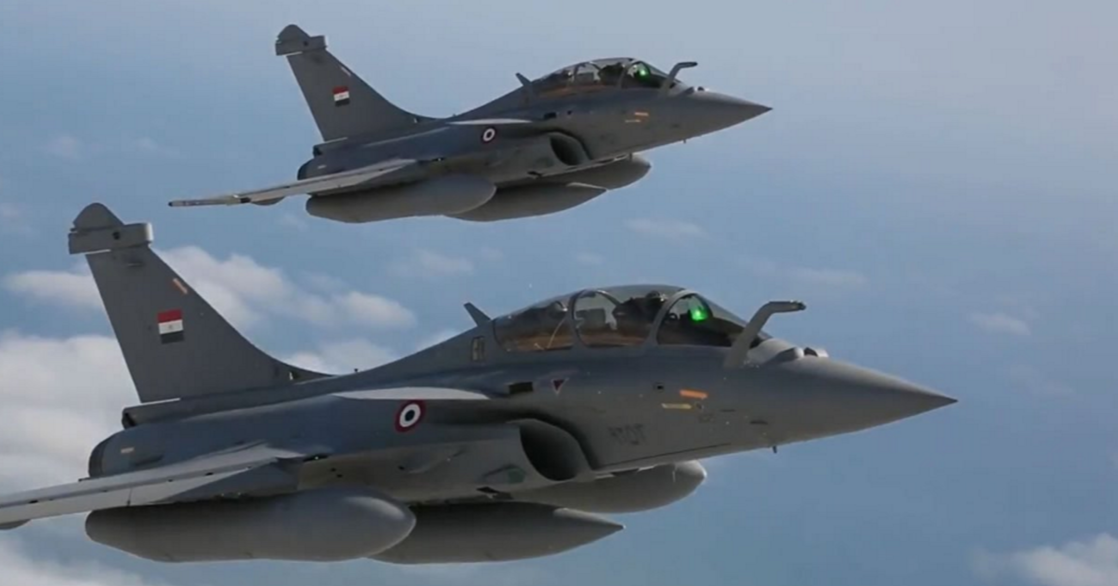
India’s defence industry dynamics favour the Dassault Rafale-M and Boeing F/A-18E/F Super Hornet as the leading candidates. The former is already being procured by the Indian Air Force (IAF) with substantial transfer-of-technology and commercial offsets, which can be scaled for an Indian Navy Rafale-M purchase.
Boeing has built a robust relationship with the Indian military and Indian defence industry via the C-17, CH-47, and AH-64 programs. In both respects, India could also leverage the MRCBF program to acquire direct assistance in the development and construction of CATOBAR carriers.
Considering the all-inclusive value of several recent fighter contracts in India and in the Middle East, the MRCBF contract could readily touch USD $10 billion (i.e. the fighters, weapons, and maintenance) in value. How well each vendor is able to placate India’s offset and domestic workshare requirements would be a key factor in New Delhi’s decision, which may seek to build upon the gains it had secured in the IAF Rafale purchase.