269Views 0Comments

A Pragmatic Vision for Project Azm Quwa Premium
The central goal of Pakistan’s ‘Project Azm’ is the development of a fifth-generation fighter aircraft (FGFA). Since the first announcement of Project Azm in 2017, the Pakistan Air Force’s (PAF) Air Staff Requirements (ASR) for the FGFA seem to have undergone several iterations.
For example, the 2017-2018 Ministry of Defence Production (MoDP) yearbook makes reference to a ‘next-generation fighter aircraft’ (NGFA) instead of an FGFA. The MoDP adds that the “first cycle of conceptual design phase was completed.” However, in 2019, the PAF Chief of Air Staff (CAS) Air Chief Marshal (ACM) Mujahid Anwar Khan said the ASR was for a “twin-engine, single-seater, boasting the likes of super-cruise and laser weapons (directed energy weapons).”
The inclusion of laser weapons in the ASR is telling as no fifth-generation aircraft includes such systems, which are slated to be part of sixth-generation aircraft. Thus, the ASR alludes to a fighter program that is actually a 5+ generation or sixth-generation aircraft, but this bound to take decades for development.
However, the rather optimistic timelines given for testing and inducting Azm’s FGFA seem to suggest that it is indeed a fifth-generation aircraft. The unclear – and often changing – nature of the stated objectives and timelines for the program points to issues with planning and benchmarking of local capabilities.
Although the desire to develop an FGFA domestically is admirable, it is impractical for most nations. The exceptions are superpowers with turnkey industrial capabilities, such as the United States. However, even the United States, which has the most advanced and well-funded aerospace industries in the world, opted to develop the F-35 with a consortium of allied nations after their experience with the F-22.
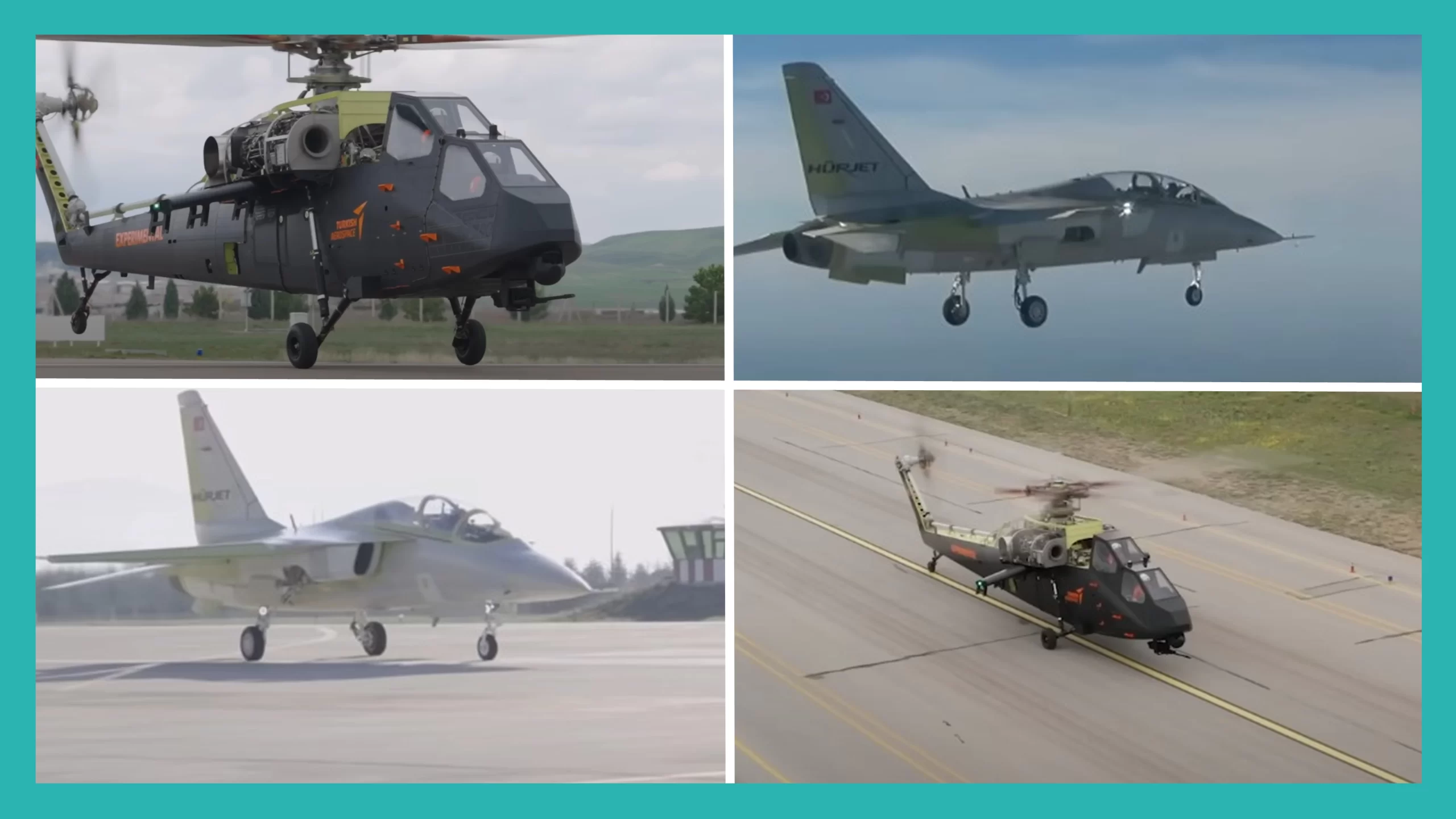
FGFAs are extremely advanced systems requiring expansive R&D setups and significant – and consistent – funding over long periods of time. Regarding Pakistan’s FGFA ambitions, both the PAF leadership and Pakistan Aeronautical Complex (PAC) had hinted they are willing to work with China and/or Turkey. The intricacies of collaboration with each of these potential partners is discussed in a previous Quwa article.
PAC has never developed a fighter aircraft completely independently (as JF-17 is a collaboration), and there are several technology bottlenecks, such as the one discussed in a previous article, that seriously inhibit PAC’s ability to develop a fighter aircraft on its own, let alone a 5th generation fighter aircraft.
Pakistan’s economic constraints also limit PAC’s ability to upgrade its human resource and infrastructure to anywhere near the levels seen in Turkey and China in a short span of time. That said, the general goals of Azm – i.e., to massively expand Pakistan’s aerospace industry – are entirely achievable in the long-term.
This article presents a pragmatic vision for Project Azm that is more aligned with the economic and geo-strategic realities of Pakistan.
Reprioritize Fighter Development Programs for the Long-Term
The primary objective of Project Azm seems to be the development of an FGFA that should fly sometime around 2025 and enter service in the 2030s. For the reasons stated earlier, this is an unrealistic goal for a country with limited technical capacity and economic resources like Pakistan.
“Shooting for the moon” is not a harmless approach when it comes to defence projects. The PAF has – and will continue to have – urgent requirements that it wants to fulfil within reasonable timeframes.
But that places an indigenous FGFA program at risk of underfunding (or cancellation) whenever it hits a delay or complication (which is inevitable with a fighter program). One can just look at the Army’s choice to buy off-the-shelf VT4 main battle tanks (MBT) as an example of urgent needs drawing funds that could have been used to back domestic development (i.e., al-Khalid 2) or production (i.e., al-Khalid).
FGFAs, which are exponentially more complex, will face inevitable delays, so the PAF (i.e., PAC’s parent organization) can decide to “cut its losses” by killing the FGFA program and, instead, buy off-the-shelf.
To ensure the longevity of effort in the service of the broad technological goals of Project Azm, it is vital that the PAF decouple its short- and medium-term goals – such as its FGFA requirement – partially or even entirely from the development program.
To fulfil its FGFA ASR, the PAF should follow the “JF-17 Development Model.”
That is, PAC should work closely with China to tailor a version of the FC-31 towards the PAF’s ASR, and then manufacture this aircraft at PAC. This will also allow PAC to integrate itself into the supply chain for when the rumored evolutions of the FC-31 (e.g., J-35) enter Chinese service.
In parallel, the PAF should refocus Project Azm to the development of an NGFA technology demonstrator with a first-flight date in the mid 2040’s.
This route will confer several benefits.
First, a technology demonstrator does not necessarily need to conform to the short- and medium-term needs of the PAF. In other words, PAC would not have to worry about delays as its work does not impact the PAF’s immediate needs. The key is for the PAF to allocate a consistent stream of development funding separate from its FGFA procurement efforts.
Second, PAC will benefit from a longer timeline for its development efforts (as there is no urgency on the PAF’s part for the fighter). This will give PAC the space to develop various critical inputs indigenously.
Third, the costs and risks of development can be spread out over longer periods of time, which is vital for a country like Pakistan.
Finally, focusing on an NGFA program lets PAC develop current and future technologies (as opposed to systems), which will be more valuable for developing Pakistan’s aerospace prowess.
In the long-term, PAC can convert the NGFA technology demonstrator to a production aircraft, especially when the PAF seeks a 5+ or sixth-generation aircraft. By developing the core technologies in the decades leading up to the PAF’s requirements, PAC will be in a much better position to meet those needs.
By refocusing Project Azm to a demonstrator, PAC can free-up R&D funding for the following areas:
Development of UAV’s and UCAV’s in the Short- and Medium-Term
The importance of unmanned aerial vehicles (UAVs) for tomorrow’s warfare needs is not lost to Pakistani military planners. Thus, the PAF should pivot Project Azm to focus more on UAVs than the FGFA. This will confer several advantages to Pakistan.
Firstly, UAVs are far cheaper to develop, manufacture, and maintain. Moreover, as newer generations of fighter aircraft have become more advanced, their costs have gone up, and consequently, their numbers have gone down. This has fueled the need for unmanned systems to augment the small number of high-tech, manned assets.
Furthermore, due to their smaller sizes and limited roles, lower-tech and readily available systems and technologies can be used to develop unmanned systems. This makes their development cycles shorter and more predictable than those of full-fledged fighter aircraft.
Finally, the development of larger and larger unmanned systems builds the technology base needed for manned fighter aircraft at a fraction of the development cost and risk. Additionally, software developed for unmanned systems is a common resource for multiple manned and unmanned programs.
Currently, a high-speed target drone and a medium-altitude long-endurance (MALE) UAV are the only unmanned systems under development under Project Azm.
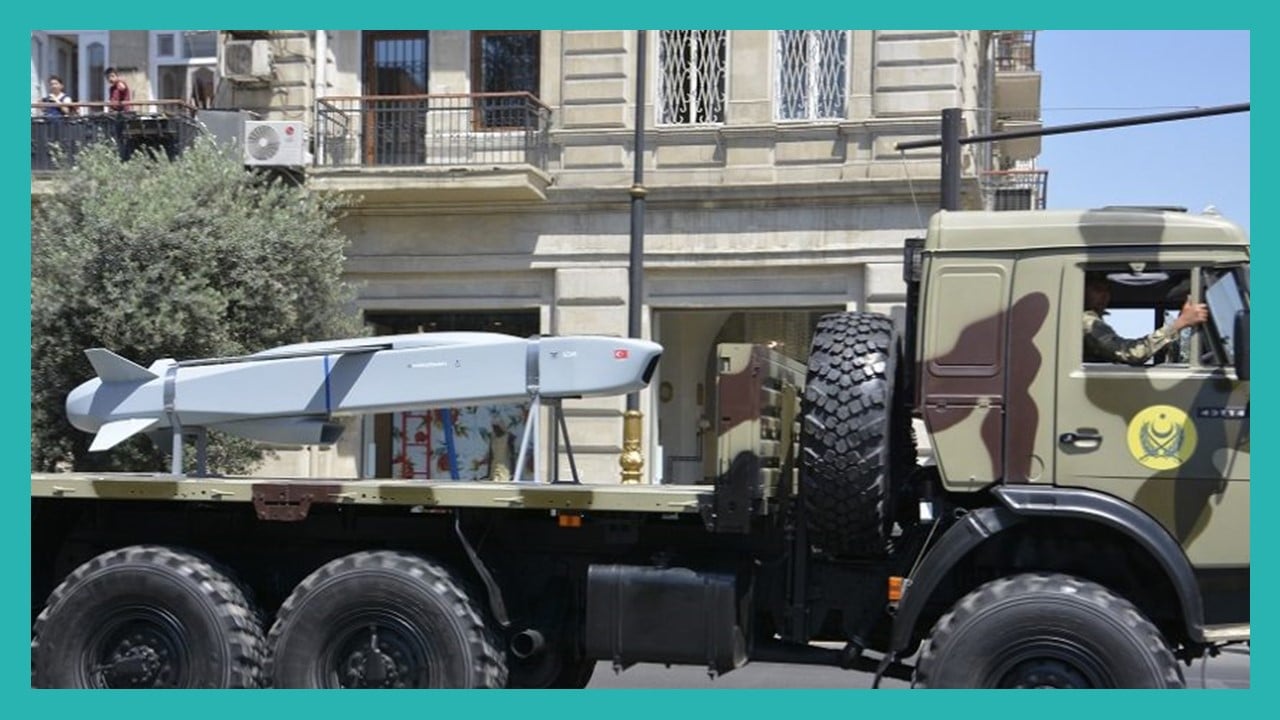
The PAF needs to expand this list of two to a much larger number. Basically, the PAF should pursue a family of projects based on the high-speed target drone. These projects can be light-weight cruise missiles, air-launched decoy systems, and loitering munition drones. This will allow PAC to produce at least four systems that will share common components and software, greatly reducing development costs.
Furthermore, locally produced systems will be much cheaper than imports and will allow Pakistan’s armed forces to induct these systems in the exceptionally large numbers that they are needed in.
A high-altitude long-endurance (HALE) UAV program also needs to be pursued. This platform can satisfy several unfulfilled needs of the PAF and Pakistan Navy (PN). UAV’s larger than MALE UAV currently under development are needed for SIGINT and maritime operations. These larger UAV’s can also perform limited battlefield management, aerial early-warning, air-to-air refueling, and battlefield networking roles.
This approach will allow unmanned systems to augment the roles currently undertaken by DA-20, Saab-2000, and ZDK-03. This HALE UAV can be powered by a turboprop or turbofan powerplant, which should initially be imported, but eventually manufactured in Pakistan.
Perhaps the most advanced and most important unmanned program PAC should pursue is that of a loyal-wingman drone. This should be envisioned as a complement to the FGFA program, and as a precursor to the NGFA. The development of a loyal-wingman drone will build upon the technology and expertise gained by the development of the HALE UAV and other unmanned systems.
The loyal-wingman drone will augment the numbers of the expensive FGFA’s in PAF’s service at a fraction of the cost of the FGFA. Valuable experience in network centric warfare will be built up, while the expertise to develop and manufacture of a “full-sized” fighter-aircraft will be acquired, without risking expensive manned systems and the lives of test pilots.
Focus on Technologies and Capacity Building
In addition to the aforementioned programs there should be a parallel effort to acquire core technologies needed for a comprehensive aerospace industry. Afterall, the lack of capacity is the reason for which reprioritization of fighter programs is recommended in this article, and the time gained by the reprioritization of goals should be used to fill capacity holes. Teams of researchers and engineers will need to be dedicated to technology building, as opposed to just programs like FGFAs and UAVs.
A non-exhaustive list of the technologies to be developed is given below.
- Flight control systems technology: Details of why this is needed are given here, and the infrastructure and human resources needed to develop this technology are detailed here.
- Aircraft Rated Piston Engines: These engines power a wide variety of unmanned and manned systems and are low on the technological ladder and thus, represent low-hanging fruit. There will be a requirement of hundreds, if not thousands, of these engines for the UAVs and munitions being produced, and therefore, investment in the production of these systems makes sense.
- Turbojet Core: A turbojet core should be developed. This turbojet can be used directly for high-speed target drone, while it can be further developed into turboprop and turbofan powerplants for HALE UAVs. As jet engines are a difficult technology to master, this program should be focused on small engines developed by collaborating with Turkey, South-Africa, and Ukraine. It is unlikely that a local engine will power even the NGFA, but all UAV’s and munitions powered by local engines is not an unachievable goal.
- Radar Systems: There are clear indications that this area of research is already being pursued. First steps towards component integration are the correct way to go. The capability to design and build radar systems as per requirements will allow PAC to integrate purpose-built radars and seekers into a variety of manned and unmanned systems.
Conclusion
The re-prioritization of Project Azm’s goals detailed in this article will give breathing room to PAC to develop the human resource and infrastructure needed for a vibrant aerospace organization.
Furthermore, this gradual build-up of technology will allow the private sector to keep pace, contribute, and directly benefit from the development of the aerospace industry in Pakistan.
Moreover, the refocusing of effort on unmanned systems greatly reduces costs and risks, and by all measures is an approach better suited to the realities of Pakistan.
By allowing the FGFA to be largely designed in China, PAF’s ability to field fifth-generation aircraft will not be hindered by inevitable delays. This will prevent PAC’s fighter aircraft program meeting the same fate as India’s LCA Tejas program, which is a program whose overambitious goals caused delays that prevented adoption by its primary customer.
Finally, it needs to be stressed that the development of an aerospace industry and ecosystem in Pakistan is infinitely more important than the success or failure of any single program, and thus an equal amount of attention needs to be paid to technology development in addition to systems development.