
This Week in Review: A Shift in Global Naval Shipbuilding?
A look at the apparent shift in the naval shipbuilding industry whereby new market entrants are making in-roads...

Found 707 results
A look at the apparent shift in the naval shipbuilding industry whereby new market entrants are making in-roads...
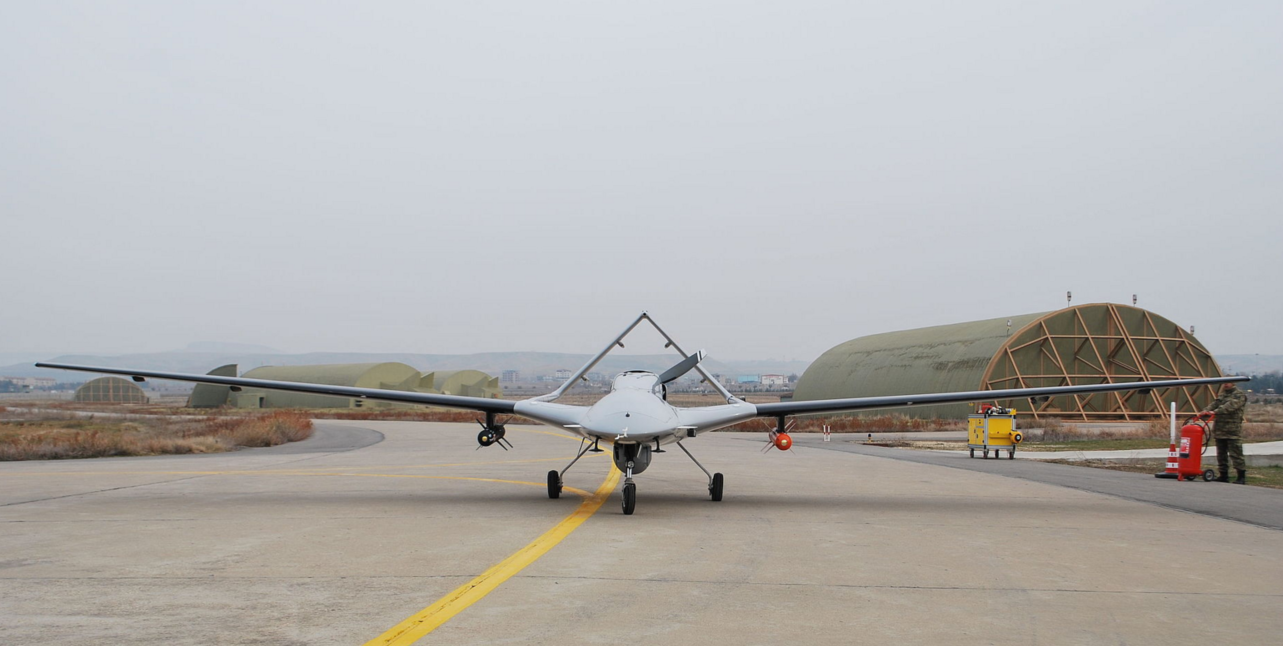
The United States State Department has begun proposing a series of measures to a number countries aimed at...
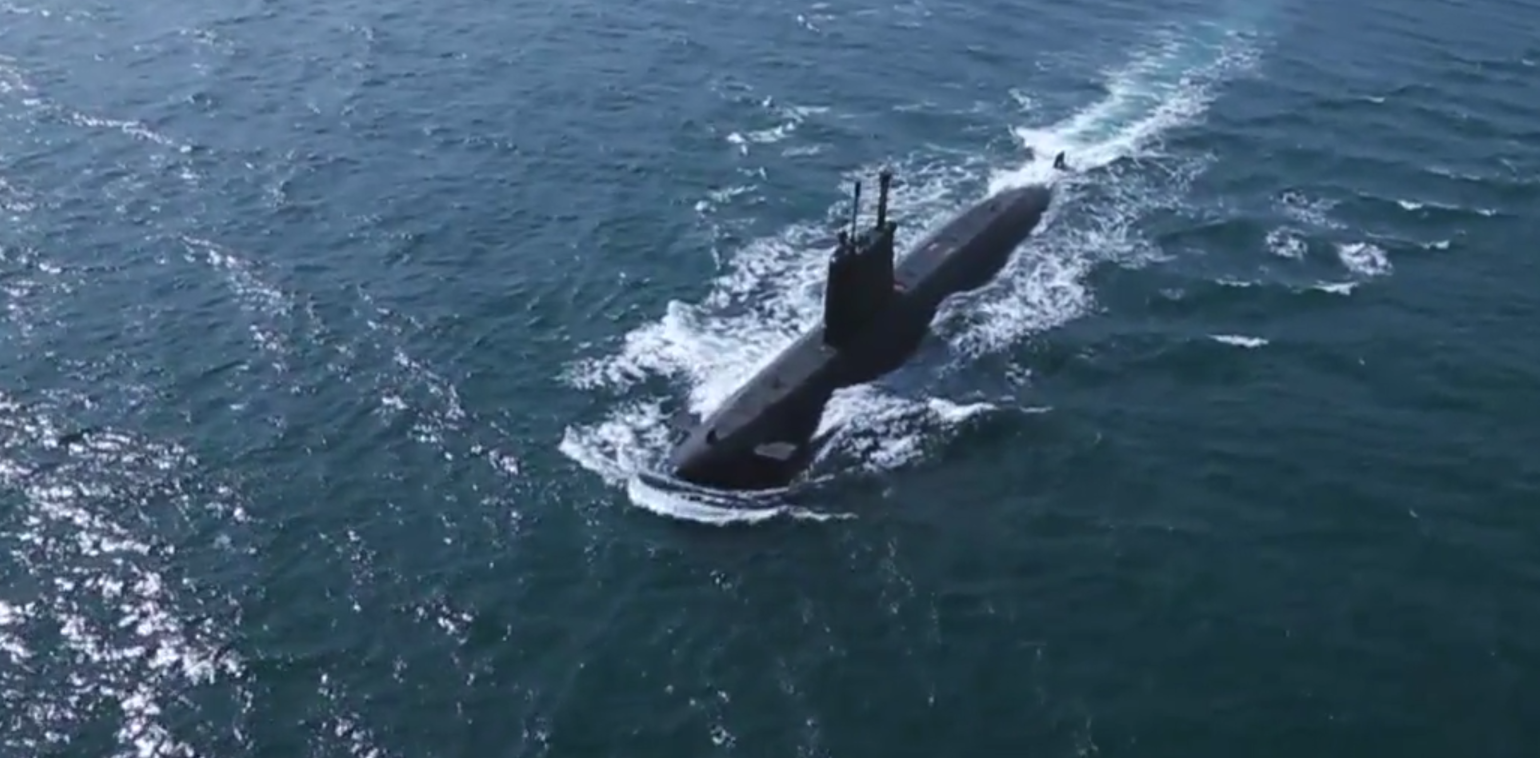
The Pakistan Navy will receive the first of its eight conventional submarines on order from China from 2022....
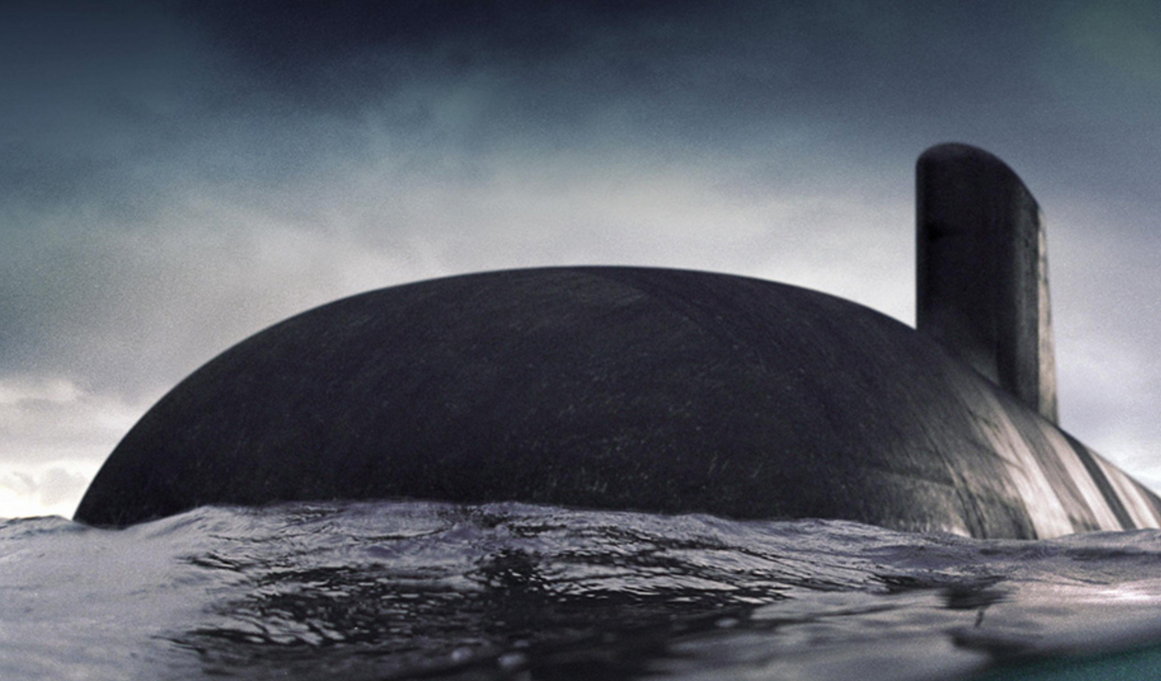
Confidential details of DCNS’s Scorpene-class submarine, which is in use by India, Malaysia, and Chile were leaked in...

The Pakistan Air Force Chief of Air Staff (CAS)’s visit to Sri Lanka is a bid to continue...
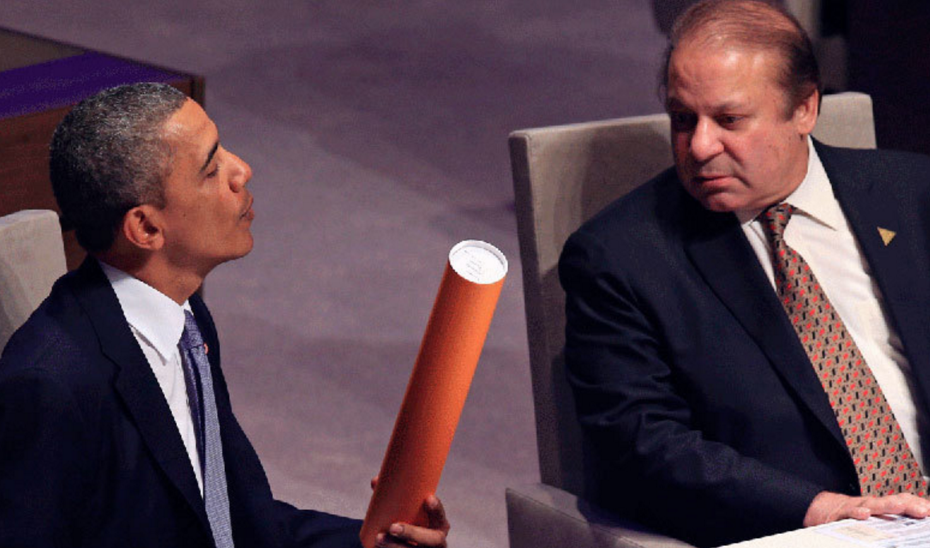
A discussion of what Pakistan has done – and is planning to do – in order to diversify...
Tata Technologies Limited, India’s growing defence giant, is seeking to expand and grow in prominence through targeted acquisitions.
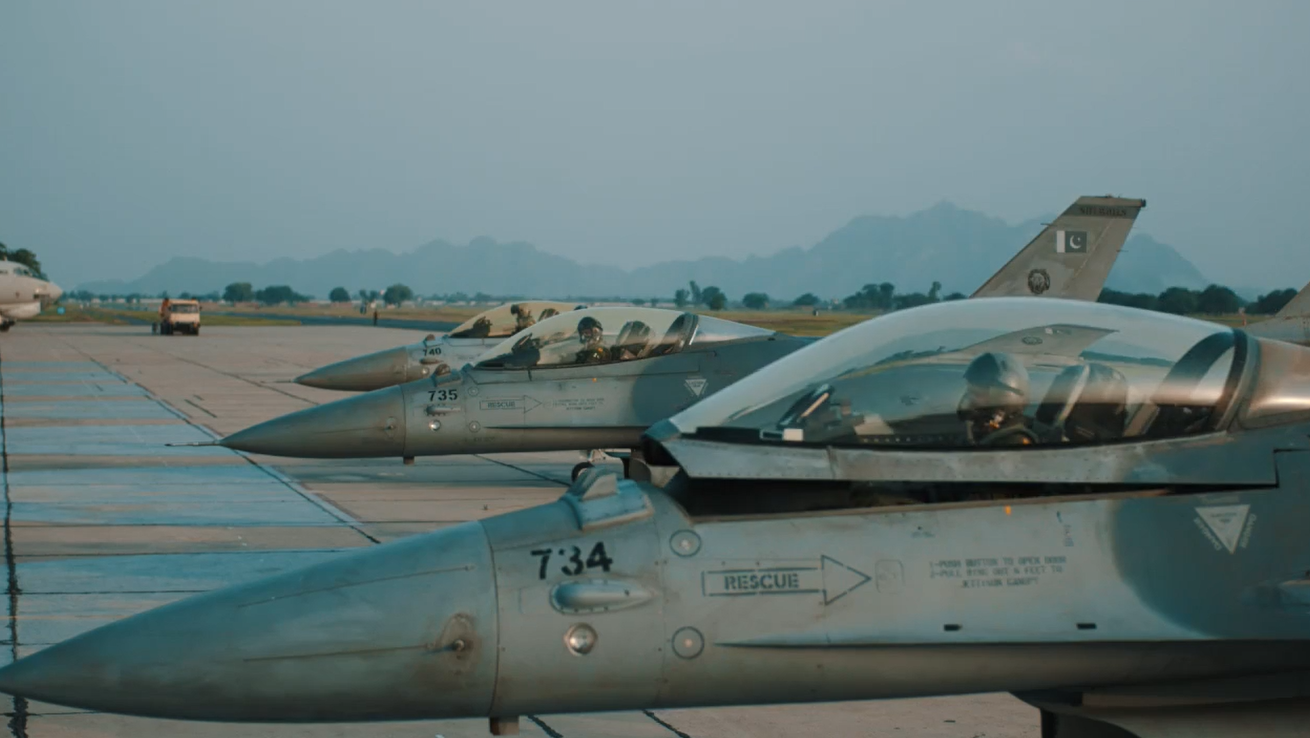
A discussion of why some countries, especially developing ones such as Pakistan, seek used military equipment in order...
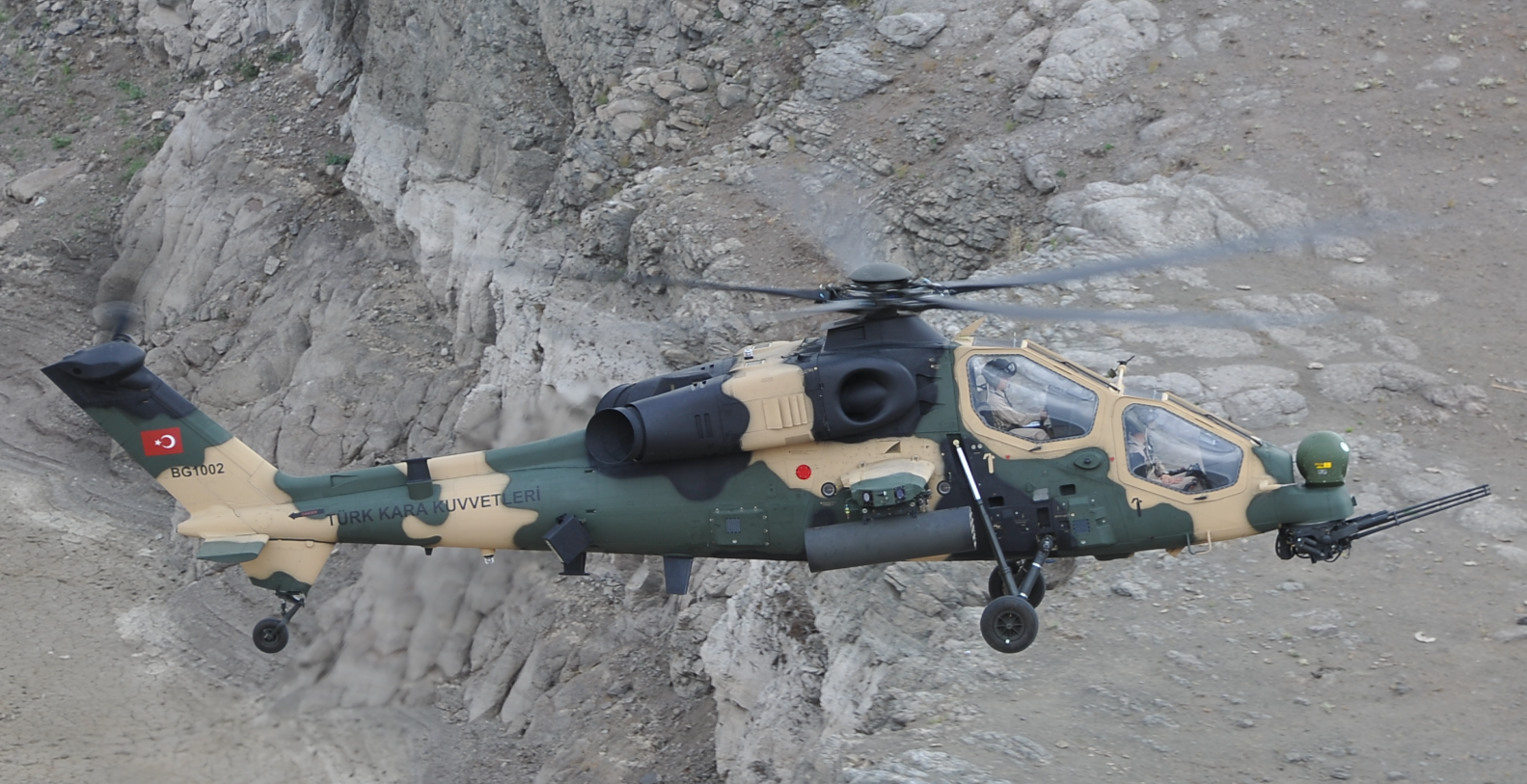
Has the Pakistan Army selected the Turkish Aerospace Industries (TAI) T-129 ATAK for its dedicated attack helicopter needs?
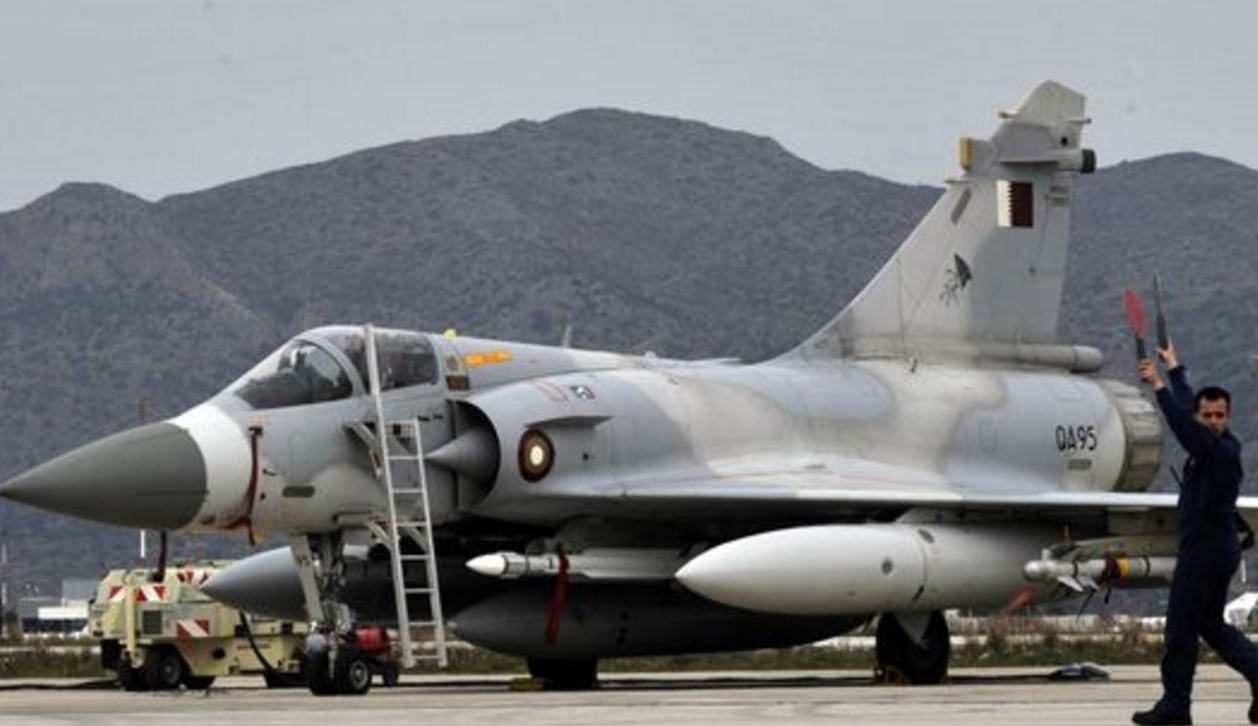
Is Pakistan in talks with Qatar for the purchase of the Qatar Emiri Air Force’s Mirage 2000-5s?